








Free written scope consultation - allowances, timeline, and change-order rules on paper before a single trade is scheduled
Styles & brands we work with
- Kitchen remodeling
- Bathroom remodeling
- Home additions & ADU
- Roofing
- Windows & doors
- Driveway & pavers
- Fence
See the difference
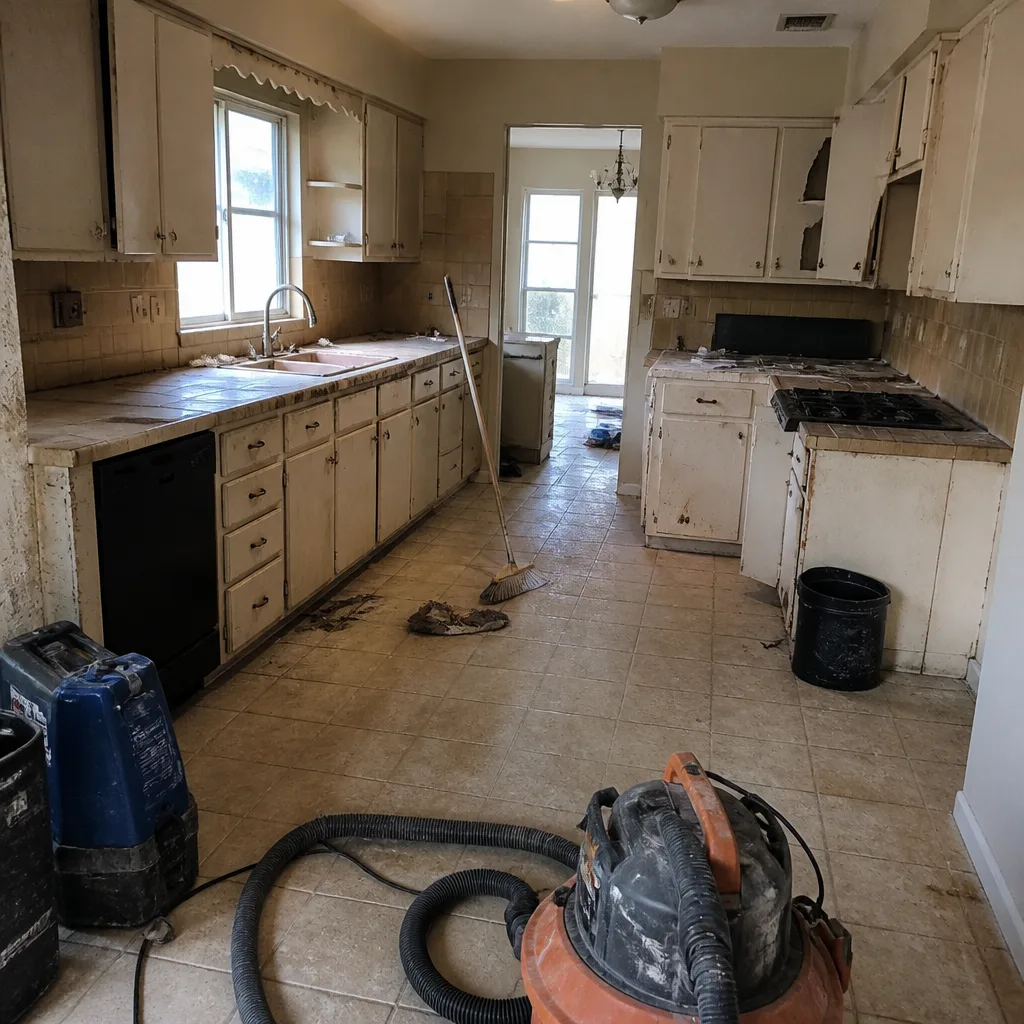 Before
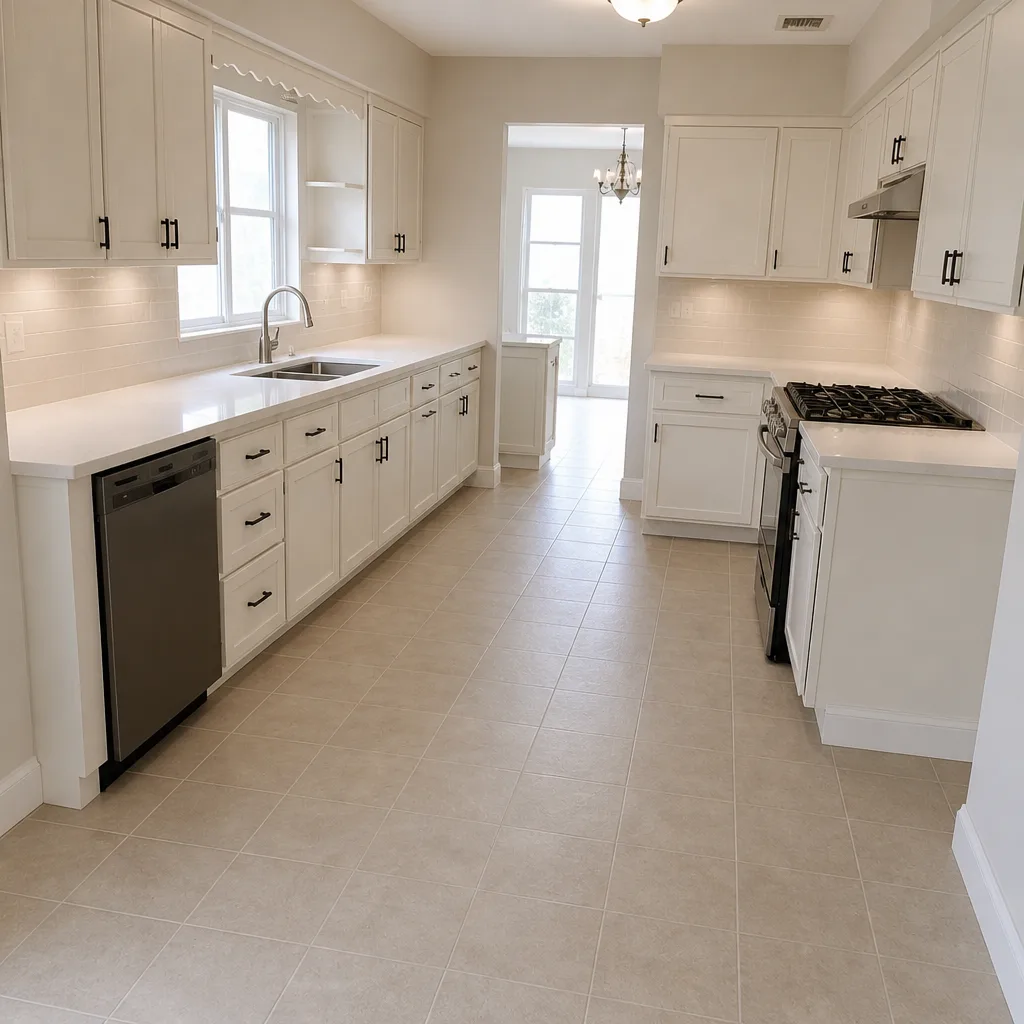 After
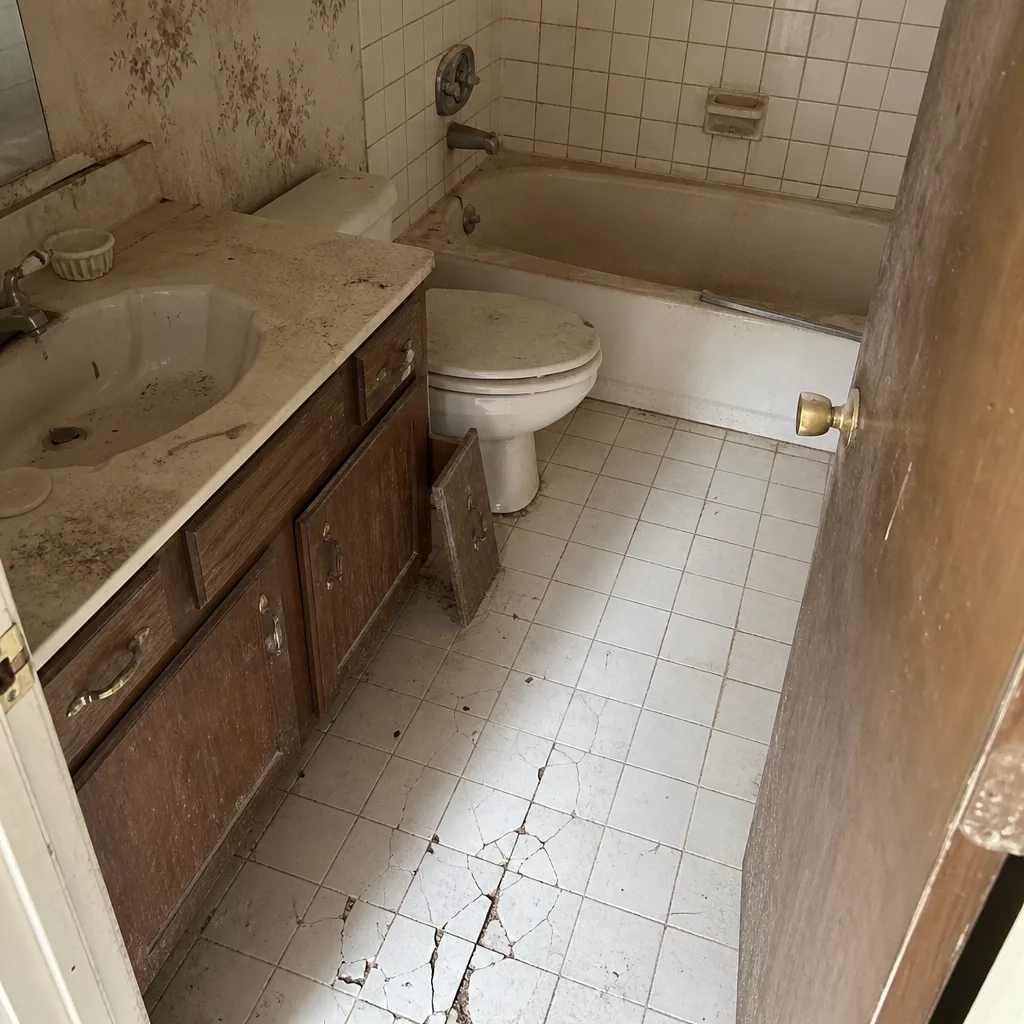 Before
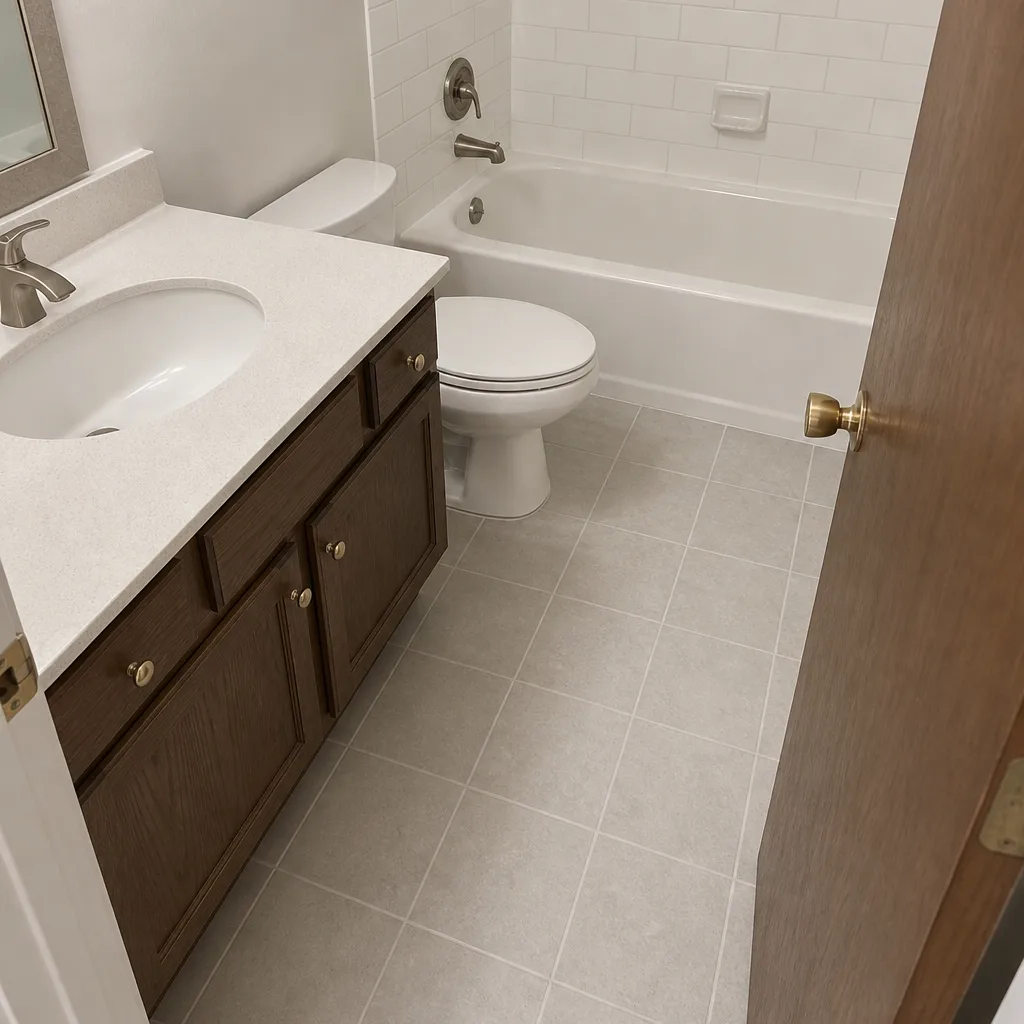 After
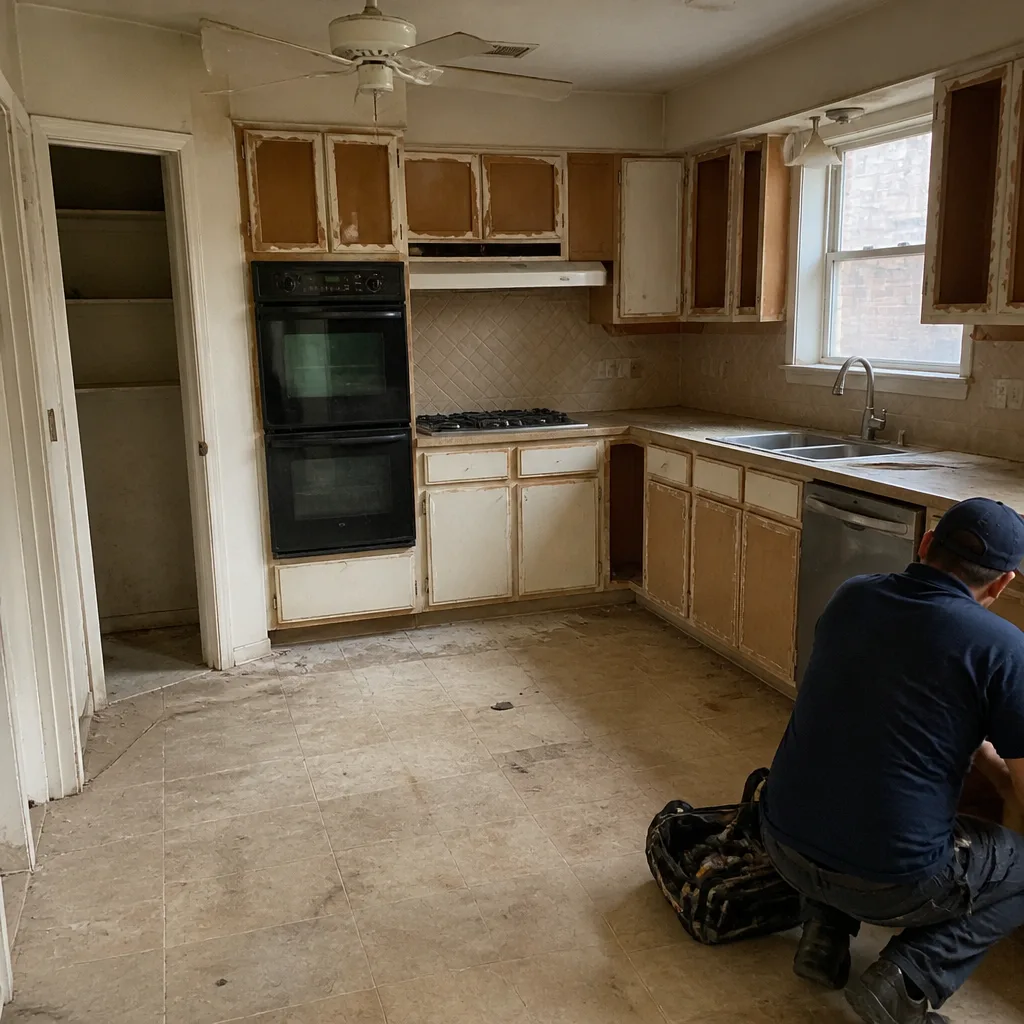 Before
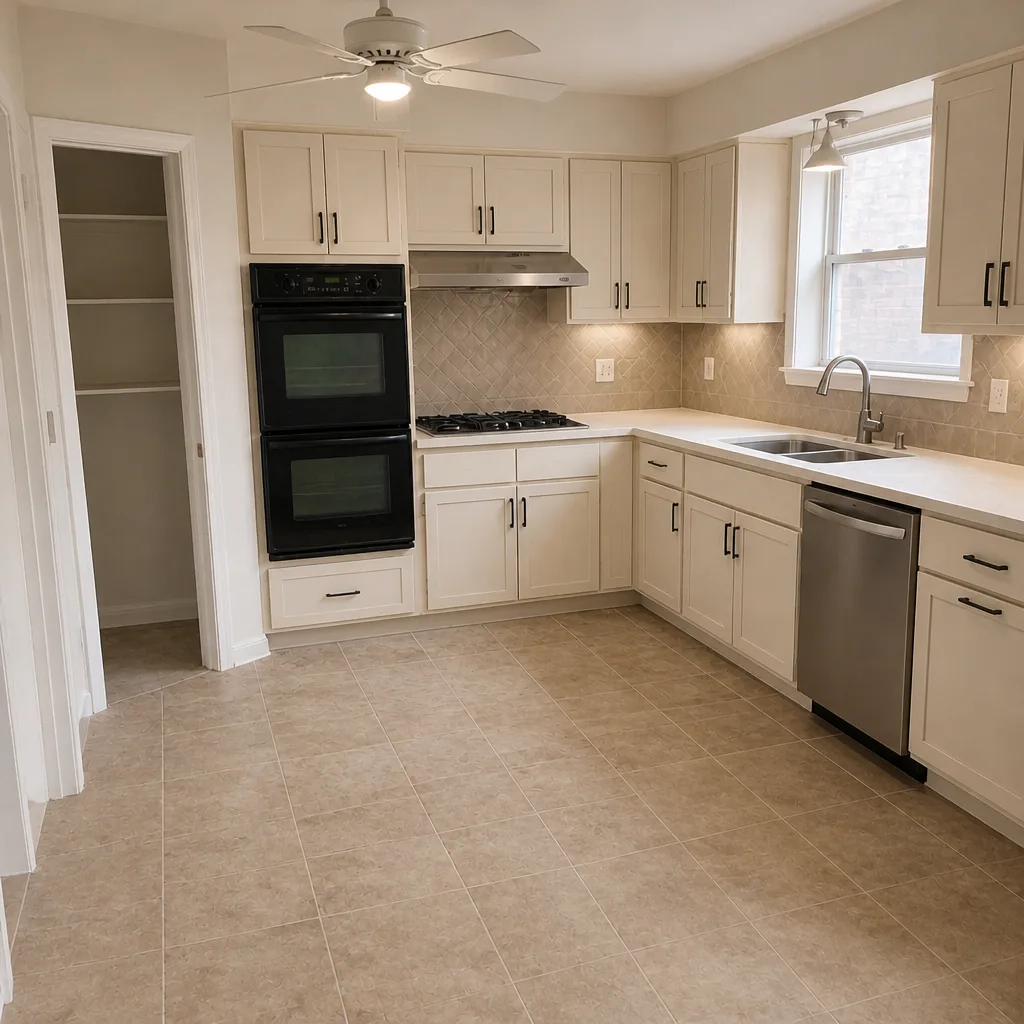 After
What Does a General Contractor Do in Plano, TX? The Answer Is Bigger Here Than the National Guides Say
A general contractor defines the scope in writing, coordinates licensed subcontractors, pulls and carries the permit as the responsible party, and closes the project out with inspections, lien releases, and warranty paperwork. In Plano, the job adds three functions most national descriptions skip: navigating HOA architectural review before the permit is filed, documenting clay-soil slab condition before any floor or addition work starts, and holding the signed change order that keeps your final invoice close to the number you agreed to. If you’re weighing a project in Plano, call (844) 761-8346 and we’ll walk you through which of these apply to your address.

The Four Core Functions, in Plain Trade Language
Strip away the marketing and a GC does four things. Each one has a failure mode when it’s skipped.
- Scope definition. What exactly gets built, written down, with materials named and quantities counted. Skipped, you get a verbal “we’ll figure it out as we go” that becomes a fight over tile grade in week three.
- Subcontractor coordination. A licensed plumber for the rough-in, a licensed electrician for the panel work, an HVAC tech for the duct relocation, a tile setter, a cabinet installer, a countertop fabricator. A GC’s own crew doesn’t cover every trade, and a GC who tells you otherwise is telling you something.
- Permit management. The GC is the responsible party on the permit, not you. That matters when an inspector flags something and somebody has to own the correction.
- Project close-out. Final inspections signed off, lien releases collected from every sub who touched the job, warranty documentation handed over in a folder you can find two years later.
Under Clause 1 of The Haven Standard, Rowan Construction Group Plano writes the flat price and the scope before anyone picks up a tool. That’s not a process step; it’s the reason a Plano homeowner can compare two bids without reading tea leaves.
What Plano Adds to the Job: HOA Review, Clay Soil, and End-of-Life Systems
Plano is built out. There’s very little undeveloped land left, so nearly every project here is a renovation, an addition, a garage conversion, or a teardown-rebuild on an older lot. That changes what a GC actually spends the day doing.
HOA architectural submission comes before the permit
In Deerfield, Willow Bend, Russell Creek, and the Legacy West overlays, the architectural review committee usually wants elevations, material samples, and sometimes a color board before the city sees anything. Sequence it wrong and you lose three weeks waiting on an approval you could have had in parallel with plan review. A GC who hasn’t run that gauntlet in Plano will hand you a schedule that’s already wrong.
The black clay under slab-on-grade subdivisions
North Texas expansive clay shrinks and swells through the wet-dry cycle, and most Plano slab-on-grade homes feel it. That’s why we document slab condition before demo, not after: a post-tension slab with a corner crack reads very differently from a hairline shrinkage crack, and the difference decides whether your kitchen remodel is a $14,000-$45,000 cosmetic project or one that needs drainage corrections and possibly pier work first. In sandier or rockier metros that assessment is optional. Here it’s the first thing on the list.
Builder-grade systems hitting end-of-life together
The 1980s-2000s brick-veneer tract homes that dominate Plano were built with components on similar clocks. Original HVAC, water heaters, undersized electrical panels, and composition-shingle roofs often fail in the same decade. Before demo starts, a GC should identify which systems are at end-of-life so the homeowner isn’t surprised mid-project when the electrician opens a wall and finds a panel that can’t carry the new induction range.
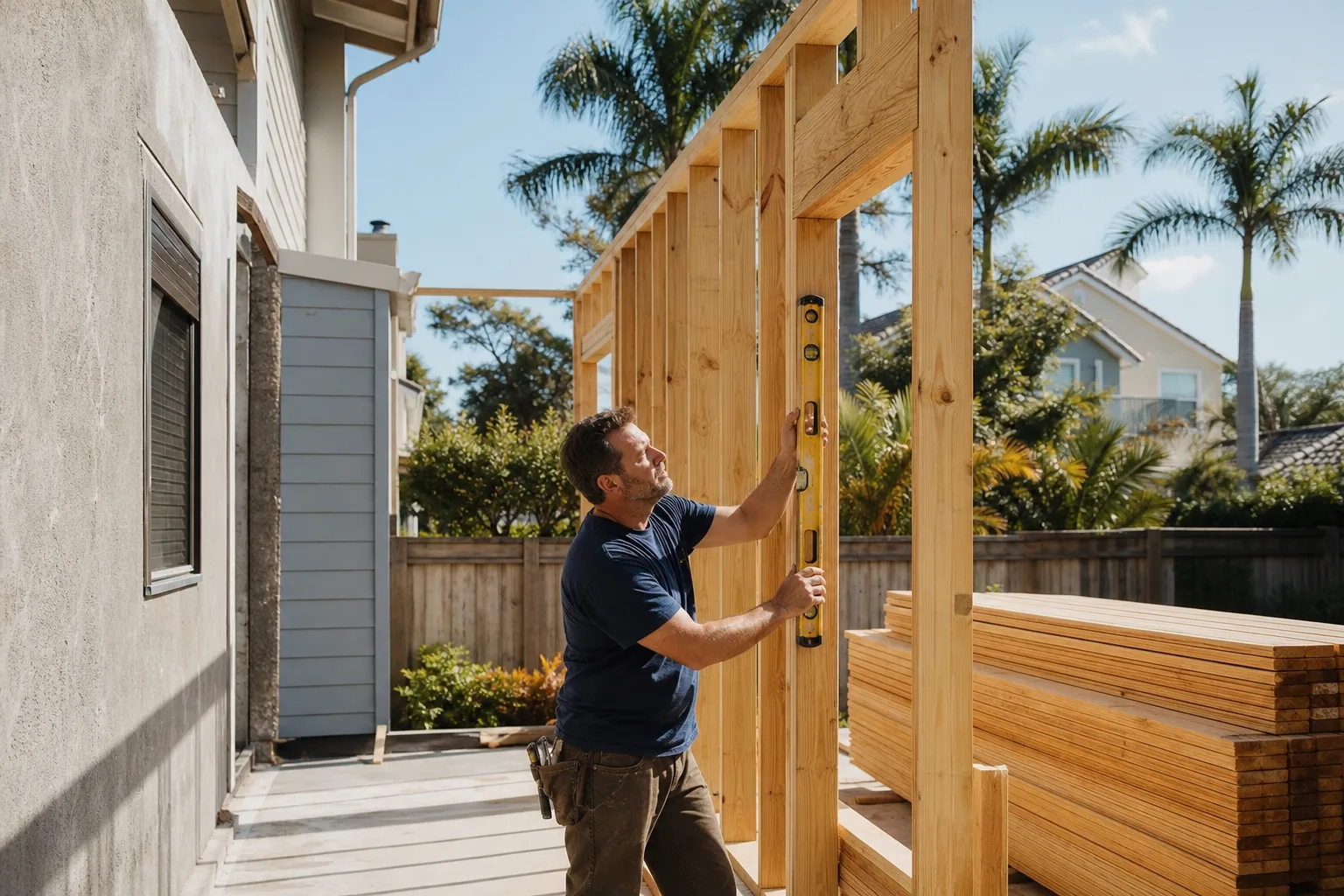
What a GC Does Mid-Project When Something’s Wrong
Stop work, document the condition, price the new scope, present a signed change order, and only then proceed. That’s the whole job in one sentence, and it’s the function that separates a managed project from an expensive guessing game.
Say the tile comes up and the substrate is water-damaged. The right sequence is: work stops, photos get taken with timestamps, the new scope gets priced in writing, and nobody touches the floor until the change order is signed. Skip the change order and you get the classic ending: a final invoice thousands over the agreed number, argued over from memory, with no paper trail. Rowan’s projects stay within a few percent of the agreed cost across 4,000-plus jobs because no change proceeds without that signature, every time.
The documented photo record is the same discipline applied continuously. Every visit gets photographed and timestamped, which means the homeowner sees what was found and what was done, and so does the next trade walking in. A plumber arriving after the framer benefits from knowing exactly where the blocking went. That’s project management, not a marketing feature.
GC Scope vs. Trade-Only Scope: A Plano Kitchen Remodel
A cabinet installer installs cabinets. That’s the whole scope. A general contractor owns the sequence in which the electrician, plumber, tile setter, cabinet installer, and countertop fabricator appear on site, confirms each trade is inspected before the next begins, and eats the result if the order is wrong.
Cabinet installation in Plano runs $4,000-$13,000, countertop installation $2,000-$6,500, and backsplash $800-$2,500. Cheaper per line item, sure. But the fabricator who templates before the cabinets are shimmed and leveled is measuring a moving target, and nobody in that chain has signed up to be responsible for the domino. When you’re specifying Kohler or Moen fixtures into a re-plumbed wall, the coordination is the product.
| Project | Typical Plano Range |
|---|---|
| Small kitchen remodel | $9,000-$20,000 |
| Full kitchen remodel | $14,000-$45,000 |
| Bathroom remodel | $9,000-$28,000 |
| Small bathroom remodel | $5,000-$12,000 |
| Room addition | $45,000-$130,000 |
| ADU construction (detached accessory dwelling unit) | $90,000-$220,000 |
| Garage conversion | $30,000-$80,000 |
| Roof replacement | $8,000-$20,000 |
Additions and ADUs are where the permit function stops being administrative and starts being the critical path. Plano’s review timelines, setback rules, and HOA overlays are what a GC is actually paid to know. Our technicians have up to 19 years of experience, and every one of them is background-checked and uniformed before they arrive at your door.
Key Takeaways
- A GC defines scope in writing, coordinates licensed trades, carries the permit, and closes out with inspections and lien releases.
- In Plano, add HOA architectural sequencing, clay-soil slab documentation, and a builder-grade system end-of-life audit before demo.
- Mid-project discoveries get a stop-work, a documented condition, and a signed change order. No exceptions.
- Trade-only contractors are cheaper per line item and bear no responsibility for the sequence between trades.
FAQs
A general contractor owns the sequence, the permit, and the outcome; a subcontractor owns one trade. The plumber isn’t responsible for whether the tile setter arrived after the rough-in was inspected, and the tile setter isn’t responsible for whether the cabinets were leveled first. That coordination, and the liability for getting it wrong, is what you’re hiring a GC for. Call (844) 761-8346 for a written scope and price on your Plano project.
The GC pulls it and is named as the responsible party. That’s the point of hiring one on a Plano remodel or addition. Plano’s permitting and inspection process runs through the city, and the older Deerfield and Willow Bend subdivisions add HOA architectural review on top, which has to be sequenced in parallel to avoid delaying the city submittal. The GC shoulders both. If you’re unsure what your address requires, call us and we’ll lay it out.
Rowan quotes a flat written price per project rather than a percentage markup, so the number you agree to is the number on the invoice. For scale: a small kitchen remodel in Plano typically runs $9,000-$20,000, a full kitchen $14,000-$45,000, and a room addition $45,000-$130,000, all before any change ordered after work begins. Bring a competitor’s written estimate and we’ll review it line by line at no charge as a second opinion. Call (844) 761-8346 for an exact quote on your address.
Work stops, the condition gets documented with timestamped photos, the new scope gets priced, and nothing proceeds until a change order is signed. That discipline is exactly what keeps a project from drifting thousands over the agreed number. The failure mode is the informal GC who “handles it” verbally and sorts it out at the end, which is how homeowners end up in a dispute they can’t document. If you’re managing a project now and need a second set of eyes, call us.
If you’d rather have it looked at, Rowan Construction Group Plano offers a no-pressure assessment in Plano - call (844) 761-8346 for a free estimate and a written price before any work starts. You’ll leave with a photo record, a signed scope, and the 365-Day Done Right Promise behind the whole thing. Take a look at our home page to see how the seven trades fit together.
Written by the team at Rowan Construction Group Plano, serving Plano, TX.