
Last updated November 18, 2026





Free written scope consultation - allowances, timeline, and change-order rules on paper before a single trade is scheduled
How to Hire a Construction Contractor in Plano: A Step-by-Step Guide
Most homeowners vet a contractor by looking at photos of finished kitchens and reading star ratings. That’s the wrong filter. The evidence that actually predicts how a project goes lives in the paperwork: the bid, the scope, the change orders. Of the complaints filed with the Texas Department of Licensing and Regulation against contractors in a recent 12-month period, the majority traced back to scope disputes that a single signed, itemized change order would have prevented – a document many contractors never produce. This guide shows you how to read a bid line by line, verify licenses the Texas way, and spot the three contract clauses that decide whether your Plano remodel ends on budget or ends up in mediation.
Quick Answer
To hire a construction contractor in Plano, start by verifying the license status of any regulated trade at TDLR.texas.gov, then read the bid for allowances, exclusions, and a written scope before you look at portfolio photos. The contractor whose paperwork is disciplined is the one whose projects finish near the agreed price; ask for a flat written price, a signed change-order protocol, and a lien waiver schedule before you sign anything.
Styles & brands we work with
- Kitchen remodeling
- Bathroom remodeling
- Home additions & ADU
- Roofing
- Windows & doors
- Driveway & pavers
- Fence
Table of Contents
- Why paperwork discipline predicts outcomes better than portfolio photos
- How to decode a contractor’s bid, line by line
- Texas license verification: which trades are regulated and which aren’t
- The three contract clauses that matter most
- How to evaluate a contractor’s subcontractor relationships
- How to run reference calls that surface the truth
- Plano-specific things to check before you hire
- Common mistakes to avoid
Why paperwork discipline predicts outcomes better than portfolio photos
Every contractor in Plano can show you a beautiful finished bathroom. What the photos can’t tell you is whether the tile membrane was installed correctly, whether the substrate was leveled, or whether the customer received a signed change order when the tile turned out to be discontinued. Paperwork answers those questions. A bid that names the membrane brand, the substrate prep, and the allowance for tile in dollars is a bid written by someone who expects to be held to it.
We’ve reviewed hundreds of competitor estimates through our free second-opinion offer, and the pattern is consistent: the bids heavy with vague language (“standard prep,” “builder-grade fixtures,” “allowance for unforeseen conditions”) are the ones that balloon in cost once demolition starts. The bids with named brands – KraftMaid or Wellborn cabinets, Cambria or Caesarstone counters, a Delta or American Standard fixture spec – are the ones that finish close to the number the homeowner agreed to.
Here’s the plain test. A written scope plus a flat price plus a change-order clause equals a contractor who has thought through the job. A verbal estimate plus a low number plus “we’ll figure it out as we go” equals a contractor who hasn’t.
How to decode a contractor’s bid, line by line
An allowance is a placeholder dollar figure for a material or fixture the contractor hasn’t selected yet. “Tile allowance: $400” doesn’t mean the tile costs $400; it means the contractor’s price assumes you’ll pick tile at that price point. If you pick tile that costs $1,200, the $800 difference is added to your bill. An allowance-heavy bid (say, five allowances or more) is a lowball bid wearing a suit: it looks cheaper than the flat-price bid next to it, but it shifts the risk of material selection onto you.
Read every bid against this checklist:
- Total price – is it a flat number or a range? A flat number is an estimate; a range is a wish.
- Itemized scope – does it name what’s included (demo, framing, electrical, drywall, paint, fixtures) and what’s excluded (permits, dumpster, landscaping repair)?
- Allowances – list every allowance and its dollar figure. Add up the worst-case overage to see your real exposure.
- Brand and model numbers – if the bid says “vanity” without a brand, it’s not a bid, it’s a starting point.
- Permit and inspection fees – are they itemized and included, or held back as a “TBD”?
- Change-order language – does it require a signed document before work proceeds?
- Warranty – what’s written, for how long, and on what parts of the work?
- Payment schedule – a request for a large deposit before any material is ordered should make you ask why.
Under the Haven Standard, our Clause 1 is simple: the price is written before anyone picks up a tool. On every trade, from kitchen remodeling to a home addition or ADU in Plano, you get a flat written price with a written scope and a written warranty. That’s not generosity; it’s the document that makes the conversation honest.
Texas license verification: which trades are regulated and which aren’t
Texas licenses fewer construction trades than most homeowners assume. Plumbing, electrical, and HVAC work require a state license; general contracting, roofing, fencing, painting, and most remodeling do not. That means the “license” claim on a general contractor’s truck may mean nothing enforceable – but a plumber or electrician on the job is required to hold one.
Run these checks at TDLR.texas.gov before any work begins:
- Plumbing – the license is held by the individual plumber, not the company; ask for the name on the license and verify it.
- Electrical – same structure; verify the electrician or the electrical contractor’s registration.
- HVAC – verify the air conditioning and refrigeration contractor license.
- All other trades – check the company’s standing with the Plano Permit Center for permits pulled and inspections passed. A contractor who can produce permit records is a contractor who expects to be inspected.
For unregulated trades, ask for the general liability policy certificate and the workers’ compensation certificate. If a crew member is injured on your property and the contractor doesn’t carry workers’ comp, the exposure can land on you. This is the check most Plano homeowners skip, and it’s the one that matters most.
The three contract clauses that matter most
Three clauses decide whether a construction contract holds together under pressure. Read them before you read anything else.
1. Scope of work definition
Acceptable: “Furnish and install 24 linear feet of KraftMaid base cabinets, model [number], with Cambria quartz countertop, cut and installed per template.”
Problematic: “Install cabinets and countertops as discussed.” If the scope doesn’t name the brand, the model, and the quantity, it doesn’t exist.
2. Change order protocol
Acceptable: “No change to the scope or price takes effect until a written change order is signed by both parties.” That’s our Clause 1 in action, and it’s the discipline that has kept our projects within a few percent of the agreed cost across 4,000-plus jobs.
Problematic: “Any additional work will be billed at time and materials.” Time and materials means the number is whatever the contractor says it is when the job is done.
3. Lien waiver schedule
Acceptable: “Contractor will provide a conditional lien waiver with each progress payment and an unconditional waiver at final payment, per Texas Property Code.” A lien waiver protects you from a subcontractor or material supplier filing a lien on your home because the GC didn’t pay them.
Problematic: No lien language at all. In Texas, a supplier can file a lien against your property if they aren’t paid for the materials that went into your house – even if you paid your contractor in full.
How to evaluate a contractor’s subcontractor relationships
Ask a general contractor one question: “Who are your licensed subs on this job, by company name and license number?” The answer tells you everything. A GC who can name their plumbing and electrical subcontractors on the spot has an accountable supply chain. A GC who says “we vet them as needed” is telling you the subcontractors are a variable, and variables are where schedules slip and quality drifts.
In Plano, the subcontractor question matters more than most homeowners realize. The city has seen rapid permit volume, and the best licensed subs are booked weeks out. A GC with established relationships gets the good subs on the calendar; a GC calling around for a plumber that can start tomorrow gets whoever is available. Ask how long they’ve worked with their electrical and plumbing subs. If the answer is “years,” that’s an asset. If it’s “we’ll find someone,” that’s a risk.
Ask for one more thing: whether the subcontractors carry their own insurance. A GC whose subs are covered is a GC who has thought about liability. A crew member background-checked before they arrive on your property is the standard we hold every one of ours to, and it’s a fair thing to expect from any contractor working in your home.
How to run reference calls that surface the truth
“Were you happy with the work?” gets you a polite yes and nothing more. You need the five questions that surface schedule reliability and cost accuracy, because those are the two things that decide whether a project feels like a renovation or an ordeal.
- Did the project finish on the date the contractor promised? If not, how many days late, and why?
- Did the final bill match the original bid? If it changed, by how much, and was each change documented with a signed change order?
- Was there a single point of contact who answered when you called? Or did you chase the owner?
- Would you hire them again for the same job? The pause before the answer is the data.
- What did they do when something went wrong? Every project has a snag. The reference call exists to find out how the contractor handled theirs.
Ask for three references from jobs completed in the last year, in Plano, of similar scope to yours. A contractor who can’t produce three recent references within a day either hasn’t done three similar jobs or doesn’t want you talking to their customers. And when you call, keep the five questions in hand and take notes; the pattern across three calls is the answer you’re looking for.
Plano-specific things to check before you hire
Plano’s climate and housing stock shape how construction goes wrong here. The black clay soil across much of Collin County expands and contracts with moisture, which moves foundations and cracks driveways; a contractor quoting driveway and pavers work in Plano should talk about base preparation and drainage, not just the pavers on top. Summer heat cycles stress roofing shingles and attic ventilation, and the spring hail season means roof replacements need to be scoped with the right shingle layer count and impact rating, not a verbal “we’ll match what’s up there.”
On the permitting side, the Plano Permit Center requires permits for structural work, additions, fences above a modest height, and most electrical and plumbing work. Ask the contractor whether they pull the permits under their own name. A contractor who wants you to pull an owner permit is transferring the liability of the inspection to you.
If your project involves a fence, an addition, or an ADU, be specific about the scope. A contractor quoting fence installation in Plano should name the material, the post spacing, and the footing depth; an ADU bid should distinguish a detached accessory dwelling from an in-law suite addition, because the permitting path and the cost are different. And when you’re comparing bids, bring one to us – the Rowan Construction Group Plano home page explains the free second-opinion offer, and we’ll review a competitor’s written estimate line by line at no charge. It’s a fair way to see what the paperwork is telling you.
Common Mistakes to Avoid
- Hiring off the portfolio alone. A photo of a finished kitchen says nothing about the membrane under the tile. Ask for the bid and the change-order protocol before you look at pictures.
- Treating allowances as prices. A bid with five allowances is a bid with five open doors. Add up the worst-case overage before you compare it to a flat-price bid.
- Not verifying the licensed trades. In Texas, general contracting isn’t state-licensed, but plumbing, electrical, and HVAC are. Check the names and license numbers at TDLR.texas.gov.
- Skimping on the contract. A one-page contract with no scope definition, no change-order clause, and no lien waiver schedule is not a contract; it’s a handshake with paper around it.
- Accepting “we’ll handle the permits” without proof. Plano requires permits for structural and addition work. Ask to see the permit number once it’s pulled, and confirm the inspections pass.
- Calling references who were hand-picked six years ago. Ask for three recent Plano references of similar scope, and use the five-question structure so you’re comparing apples to apples.
- Paying a large deposit before materials are ordered. A payment schedule tied to milestones – demo, rough-in, inspection, final – is the norm for a contractor confident in their own schedule.
See the difference
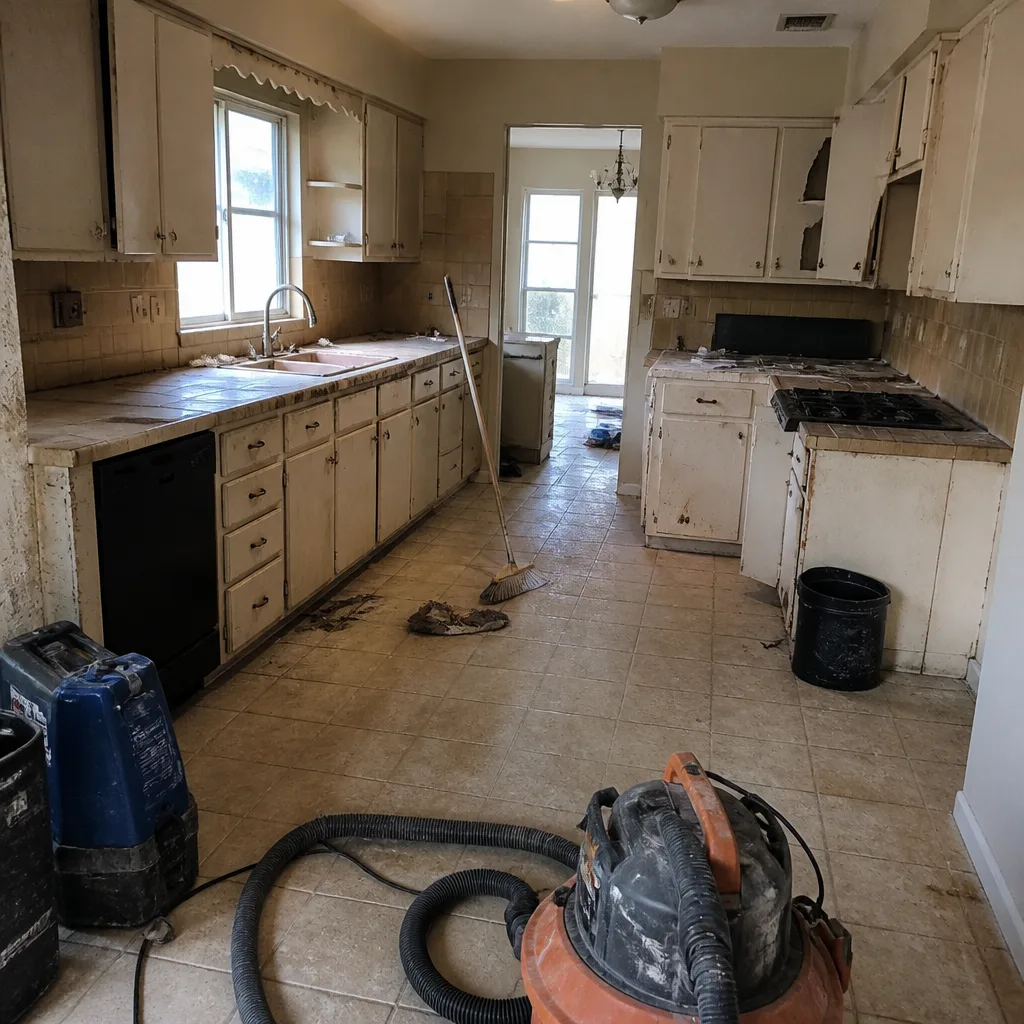 Before
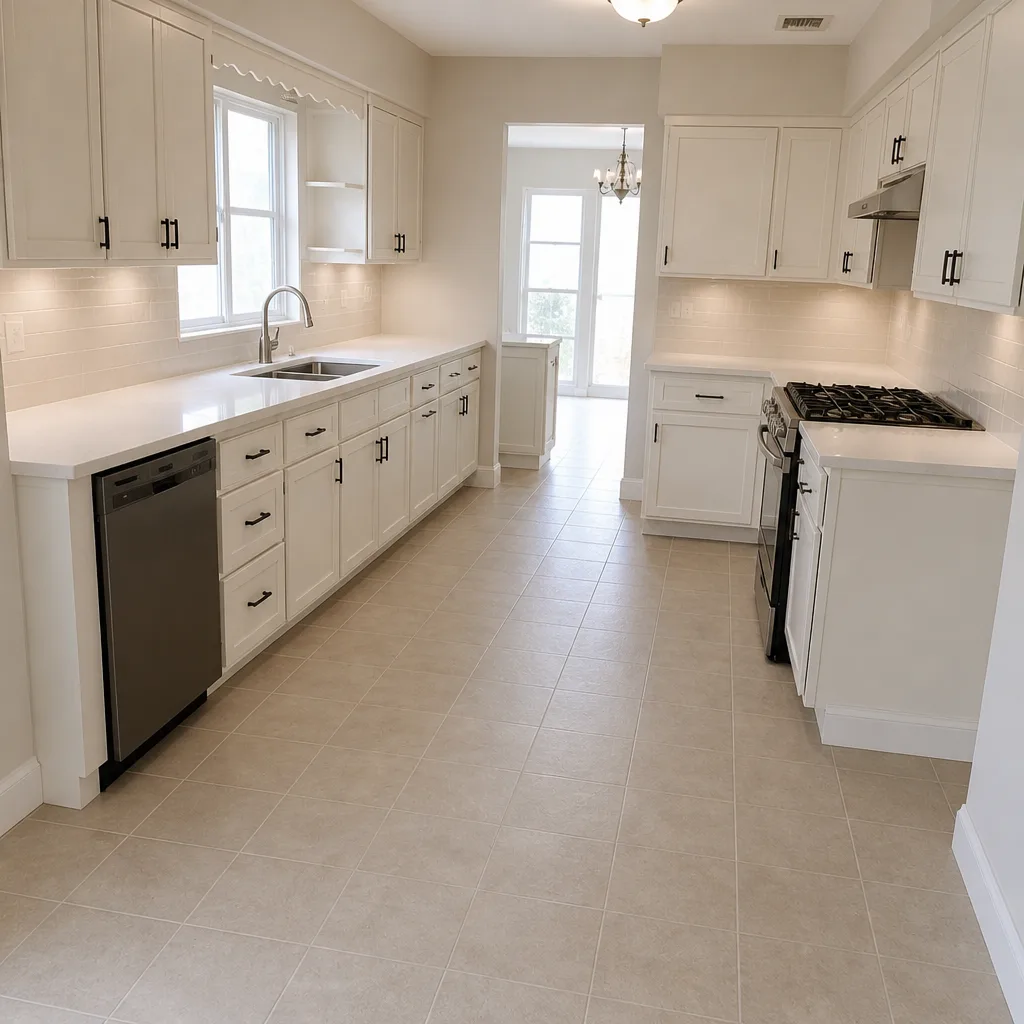 After
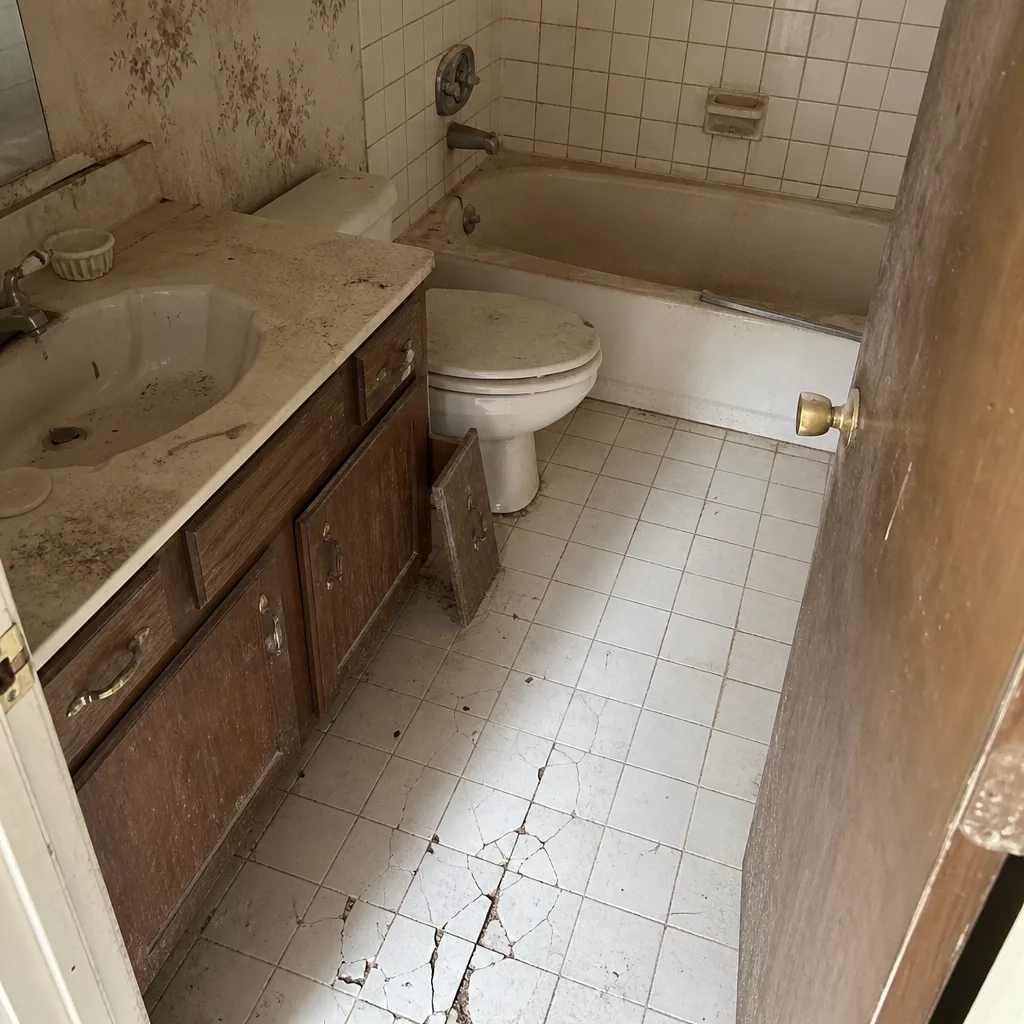 Before
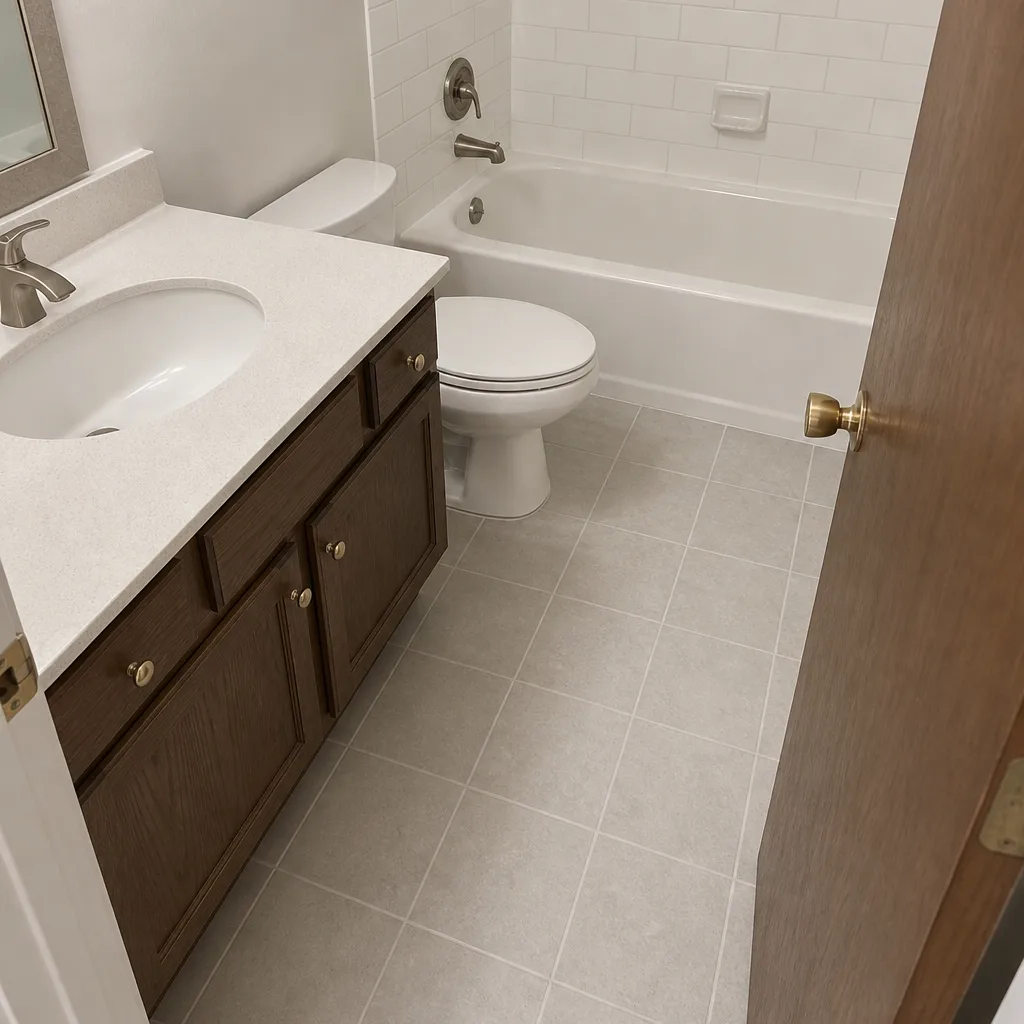 After
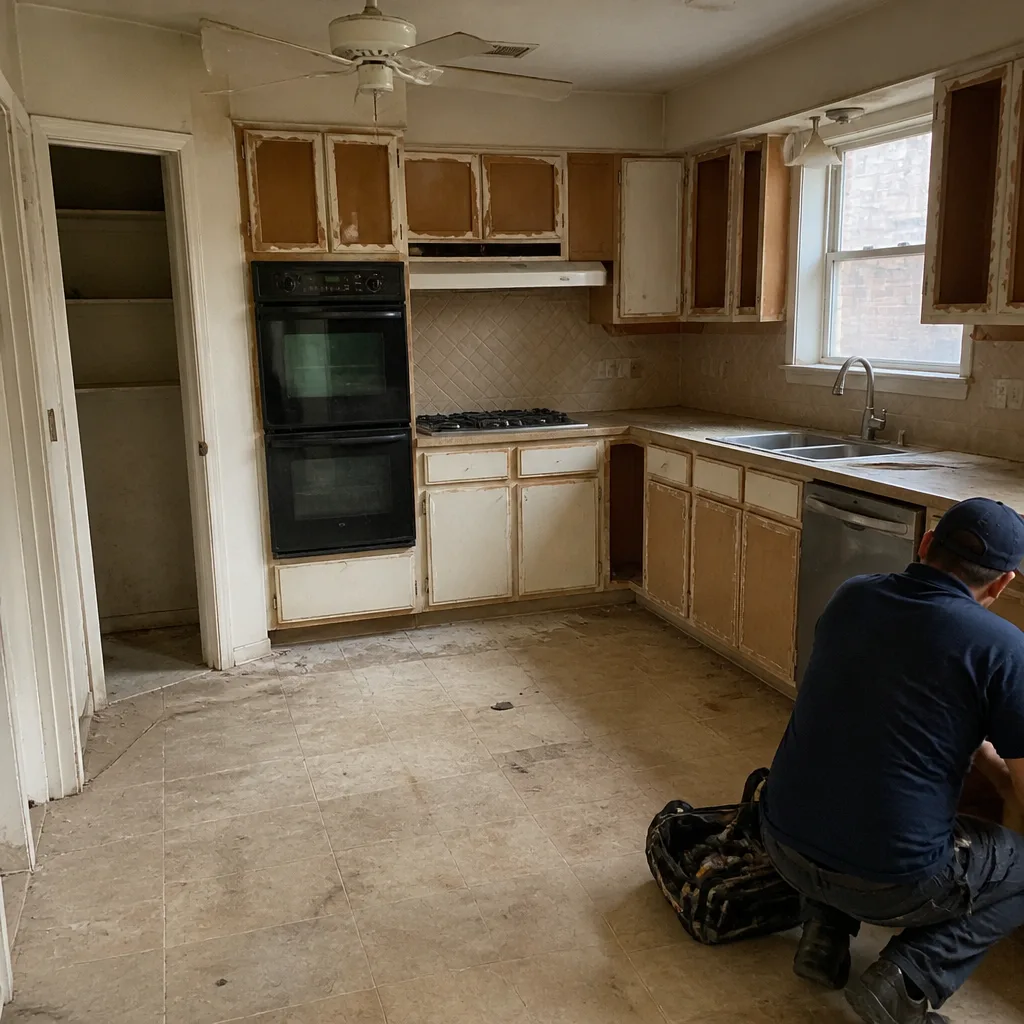 Before
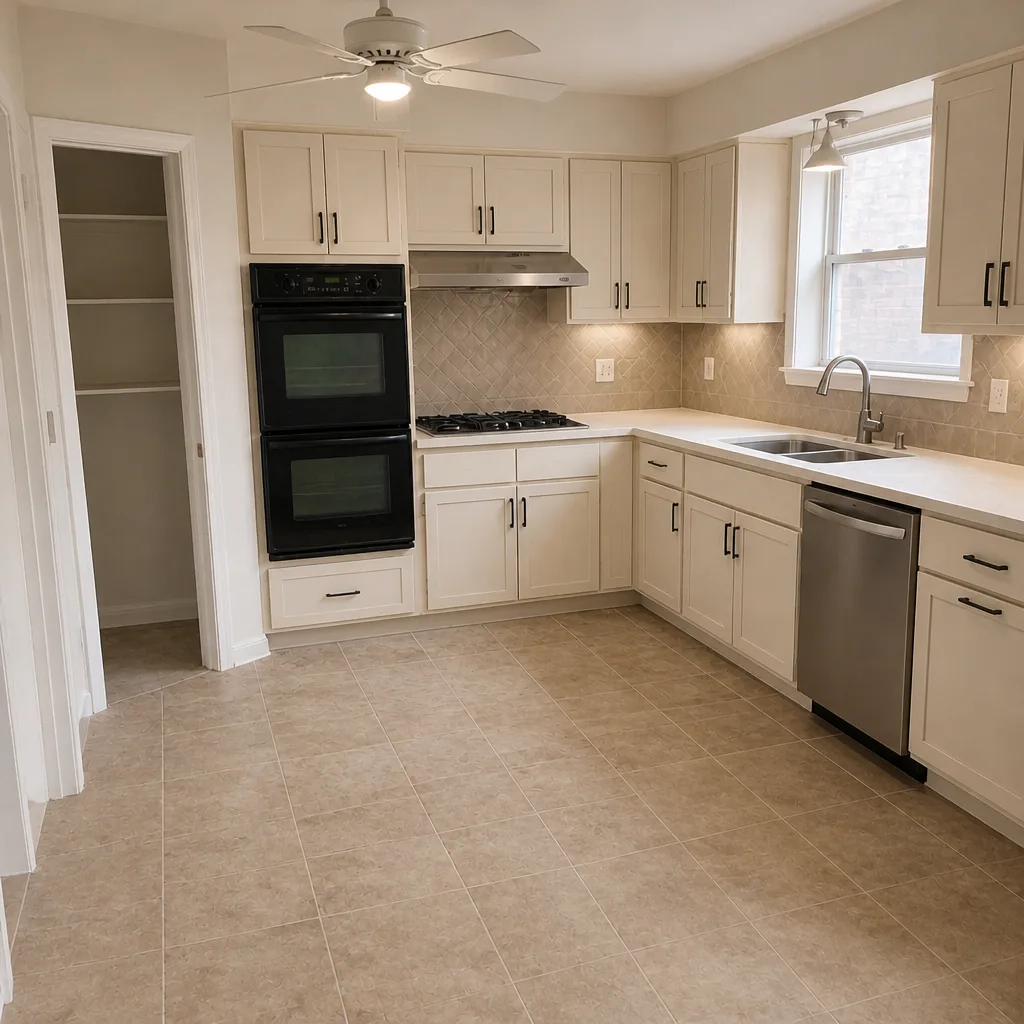 After
When to Call a Professional
Some jobs belong in the hands of a licensed tradesperson, full stop. If the work involves opening an electrical panel, running new gas lines, replacing a roof at height, or moving plumbing inside a wall, a licensed professional handles it; the risk of a DIY mistake on those systems isn’t worth the savings. Structural alterations, additions, and anything requiring a Plano permit fall in the same category. And if you’re at the stage of comparing written estimates and can’t tell which bid is honest, a second opinion is the cheapest move you can make. Rowan Construction Group Plano offers free estimates in Plano – call (844) 761-8346 to schedule yours, and bring any competitor’s quote for a line-by-line review.
Frequently Asked Questions

There’s no single number because cost is driven by scope, not by the contractor. A bathroom remodel in Plano typically runs from the low five figures into the high five figures depending on fixture brands and tile work; a kitchen remodel runs higher; additions and ADUs are priced per square foot and vary widely with site conditions. The honest answer is that a written line-item estimate is the only way to know what your specific project costs. Call (844) 761-8346 for an exact quote – estimates are free.
Texas does not license general contractors, roofers, or most remodelers at the state level. Plumbing, electrical, and HVAC are regulated and require state licenses, which you can verify at TDLR.texas.gov. For unregulated trades, ask for liability and workers’ comp certificates and confirm permit history with the Plano Permit Center.
Not if the contract is written correctly. A flat written price with a defined scope only changes when a written change order is signed by both parties – which is exactly our Clause 1. Bids with heavy allowances or “time and materials” language are the ones that shift, and the change is usually upward. Call (844) 761-8346 for a flat written price and estimates are free.
Yes. Permits for structural, addition, electrical, and plumbing work are pulled under the contractor’s name and the inspections are scheduled and passed before final payment. A contractor who asks you to pull an owner permit is handing you the liability that comes with the inspection. Call (844) 761-8346 to talk through the permit scope for your project.
It depends on scope and the permitting queue. A bathroom remodel is typically measured in weeks, a kitchen in weeks to a couple of months, and an addition or ADU in months once permits are issued. The schedule you should trust is the one written into the contract with milestones – not the one promised verbally. Call (844) 761-8346 for a written schedule with your estimate.
Bring it in. We’ll review a competitor’s written estimate line by line at no charge and tell you what the allowances and exclusions actually mean in dollars. It’s the fastest way to find out whether the number on the page is the number you’ll pay. Call (844) 761-8346 to set up your free second opinion.
The Bottom Line
The contractor whose paperwork is disciplined is the contractor whose project finishes on budget. Read the bid for allowances and exclusions, verify the licensed trades at TDLR.texas.gov, and demand the three clauses that hold a contract together: a defined scope, a signed change-order protocol, and a lien waiver schedule. Ask for three recent Plano references and use the five-question structure. Portfolio photos are marketing; the document is evidence. If you want to see what disciplined paperwork looks like on your project, call Rowan Construction Group Plano at (844) 761-8346 for a free estimate – the written price comes before anyone picks up a tool.
Written by the team at Rowan Construction Group Plano.