Last updated November 18, 2026
Free written scope consultation - allowances, timeline, and change-order rules on paper before a single trade is scheduled
The Complete Windows & Doors Guide for Plano Homeowners
Plano averages 69 days per year above 95°F. That single number rewrites how you should shop for windows, because a window’s SHGC (solar heat gain coefficient) rating – how much of the sun’s heat it lets inside – does more to your summer cooling bill in North Texas than its U-factor, which measures heat loss. Most national guides and most window salespeople lead with U-factor because it sells in Minnesota. Here, it’s the wrong knob. This guide covers what actually matters in Plano: SHGC thresholds, hail impact classes, door assemblies that don’t leak cool air, permit triggers, and honest installed costs per window.
Quick Answer
For a Plano window replacement, target ENERGY STAR’s South-Central zone requirements: a U-factor of 0.30 or lower and an SHGC of 0.25 or lower. Beyond ratings, check impact resistance (Class 3 or Class 4 glazing can earn insurance discounts from some Collin County carriers), frame material suited to hail and heat, and whether your scope triggers a city permit. Expect roughly $550–$1,400 installed per window in Plano labor, depending on material and glass package.
Styles & brands we work with
- Kitchen remodeling
- Bathroom remodeling
- Home additions & ADU
- Roofing
- Windows & doors
- Driveway & pavers
- Fence
Table of Contents
- Why SHGC Beats U-Factor in Plano
- What ENERGY STAR’s South-Central Zone Requires
- Pella, Andersen, and Simonton Product Lines That Hit the Target
- Hail Impact Ratings: Class 3 vs. Class 4 Explained
- Door Energy Performance: What Window Specs Don’t Tell You
- The Plano Permit Threshold
- Material Comparison: Vinyl, Fiberglass, Wood-Clad, Aluminum
- How a Plano Window Replacement Runs, Step by Step
Why SHGC Beats U-Factor in Plano
U-factor measures how quickly heat escapes a window in winter. SHGC measures how much solar heat enters in summer. In a climate where summer runs five months long, the entering heat is the expensive part of the equation. A window with an excellent U-factor but a high SHGC will feel cool to the glass on a January morning and turn your west-facing living room into an oven every July afternoon.
For Plano homes, prioritize low SHGC on west and south elevations. That’s where afternoon solar load peaks, and it’s the reason we recommend different glass packages on different sides of the same house. A one-size glass spec across all elevations is a northern habit.
Two other numbers matter in Plano:
- Visible transmittance (VT): the share of daylight that passes through. Low-SHGC glass can get dark, so check VT when you spec a darker package for the west side.
- Air leakage (≤0.3 cfm/ft²): the rating few salespeople mention and the one that decides whether your tight glass package gets undone by a sloppy frame seal.
West-facing rooms in Plano neighborhoods like Willow Bend and Deerfield take the worst of the afternoon sun. Getting the glass package right on those elevations is where the cooling savings concentrate.
What ENERGY STAR’s South-Central Zone Requires
Plano sits in ENERGY STAR’s South-Central climate zone, and the program sets specific thresholds rather than vague guidance. The current Version 7 criteria for your zone require a U-factor of 0.30 or lower and an SHGC of 0.25 or lower for windows. Meeting both is the baseline; exceeding one while missing the other doesn’t count.
A practical checklist for reading a window label in Plano:
- Find the U-factor on the NFRC label. It must be 0.30 or below.
- Find the SHGC. It must be 0.25 or below. This is the number that matters most here.
- Find the air leakage rating. Under 0.3 cfm/ft² is the target.
- Confirm the label is NFRC-certified, not a manufacturer’s own sticker.
- Ask whether the warranty voids if glass is replaced with a lower-spec unit later.
We verify these numbers against the actual order before a Plano window order goes in, because substitutions at the factory are a real occurrence and a lower-spec glass can slip through. Under our written-scope discipline, the glass spec is written into the quote so it can be checked on delivery.
Pella, Andersen, and Simonton Product Lines That Hit the Target
The brands matter less than the specific glass package, but some families of products meet the South-Central threshold more easily than others. Here’s how three major lines stack up for Plano buyers at different price points.
- Simonton Reflections and Prism: vinyl lines that routinely offer low-SHGC glass packages at the value end. Expect installed costs from roughly $550–$750 per window. Good fit for rentals or budget-driven replacements.
- Pella 250 Series and Pella Impervia: the 250 is a vinyl line with strong low-SHGC options; Impervia uses a fiberglass frame that handles heat and hail better than vinyl and runs higher, roughly $750–$1,000 installed. A solid middle choice for Plano.
- Andersen 100 Series and A-Series: the 100 Series is a composite frame with good thermal numbers; the A-Series wood-clad line reaches the target with the right glass package and lands at the higher end, roughly $950–$1,400 installed. Spec it carefully, because the wood-clad construction is less hail-tolerant than fiberglass.
Every one of these can meet Plano’s targets with the correct glass. The mistake is buying the base package and assuming the brand’s reputation covers the difference. Name the glass package in writing.
Hail Impact Ratings: Class 3 vs. Class 4 Explained
Plano sits squarely in hail country, and impact-rated glazing is the single most overlooked upgrade here. Impact ratings run in classes, and the jump from Class 3 to Class 4 is meaningful.
- Class 3: tested against a 1.75-inch steel ball at higher speeds; a real step up from non-rated glass but not the top tier.
- Class 4: the highest rating, tested against a 2-inch steel ball at the highest impact speeds. This is the class most worth asking your insurer about.
Some Collin County insurance carriers offer premium discounts for Class 4 impact glazing, and a few will reduce deductibles on homes with full Class 4 coverage. The discount varies by carrier and policy, so call your agent and ask two questions: do you discount for Class 4 impact-rated windows, and what documentation do you need? Save the manufacturer’s test documentation – the carrier will want it.
Frame material matters here too. Fiberglass handles hail and temperature cycling better than vinyl because it expands and contracts less. Aluminum-clad holds up but transfers heat. Vinyl is the most economical and the most likely to show dents after a serious storm. In Plano, we’ve seen entire vinyl-frame neighborhoods take a spring hail hit and need full frame replacement, while fiberglass in the same storm needed only glass repair.
Door Energy Performance: What Window Specs Don’t Tell You
Doors are sold on looks and rated on numbers few buyers ask about. A handsome mahogany entry door with a hollow composite frame will leak cool air into a Plano home all summer, and the door spec sheet won’t mention it.
The metrics that matter for a Plano door:
- Core density: a solid insulating foam core (polyurethane or similar) resists heat transfer and stays dimensionally stable in extreme heat. Hollow or honeycomb cores flex and warp over a Texas summer.
- Threshold seal type: an adjustable sill with a positive seal (not a foam wipe) keeps air and water out. This is where door failures show up first in Plano homes.
- Frame material: composite or fiberglass frames hold performance and shape; wood frames need annual attention in this climate.
- Glass package: a door with a large glass lite needs the same low-SHGC glass as a window. A beautiful door with clear glass undoes the work.
We spec the door, the frame, the threshold, and the glass as one assembly – because a door is only as tight as its weakest part. Under our fixed-price model, that assembly is what we quote and what we install.
The Plano Permit Threshold: When You Need One
The permit question trips up a lot of Plano homeowners, and the answer comes down to scope, not product. A straight window replacement (same size, same location, same style of operation) typically doesn’t require a permit. Work that changes the structure or the egress path often does.
Plan on a permit when your project includes:
- Enlarging or reducing the rough opening beyond the original size.
- Changing the operation type (for example, a fixed window to an operable one).
- Altering egress windows in a bedroom or basement.
- Replacing a door in a way that changes the structural opening or adds a new exterior opening.
- Adding sidelights or transoms that change the fenestration footprint.
For any structural opening or egress change, pull the permit. It costs a modest fee, it protects your sale later, and inspection documentation is something a future buyer will ask for. When we quote a Plano project that touches egress or structure, the permit and inspection are written into the scope, not left as a surprise line.
Material Comparison: Vinyl, Fiberglass, Wood-Clad, Aluminum
Four materials dominate the Plano window market. Scored on longevity in Texas heat, maintenance burden, and installed cost:
- Vinyl: Longevity is decent but it expands and contracts hard in extreme heat and dents more easily in hail. Maintenance is low – no painting. Installed cost runs roughly $550–$800 per window. Best value for budget and rental properties.
- Fiberglass: The top performer for Plano’s heat and hail. It moves very little with temperature, resists impact, and needs no painting. Installed cost runs roughly $750–$1,000. Best all-around for owner-occupied homes.
- Wood-clad (aluminum or vinyl-clad wood): Beautiful and thermally good with the right glass, but the clad surface shows hail marks and the wood interior needs some attention. Installed cost runs roughly $950–$1,400. Best for high-end facades where the look matters more than the last 10 years of longevity.
- Aluminum: Very durable, holds its shape, and never rots, but conducts heat faster than the others unless thermally broken. Installed cost runs roughly $600–$900. Best for modern facades and large expanses of glass.
There’s no single winner – the right pick depends on elevation, budget, and hail exposure. A Plano home facing west and south takes the worst of it, so fiberglass is often worth the step up on those sides.
How a Plano Window Replacement Runs, Step by Step
What to expect on a straight replacement of a typical Plano home’s windows:
- Measure and spec. Each window is measured, and the glass spec (U-factor, SHGC, impact class) is assigned by elevation. This is where most of the cooling savings get locked in.
- Written price and scope. You receive a flat written price and written scope before work begins. No “call for a quote.”
- Order and delivery verification. On delivery, the glass package and labels are checked against the quote. Factory substitutions get caught here, not after install.
- Permit, if the scope requires it. Structural or egress changes pull the permit and pass inspection.
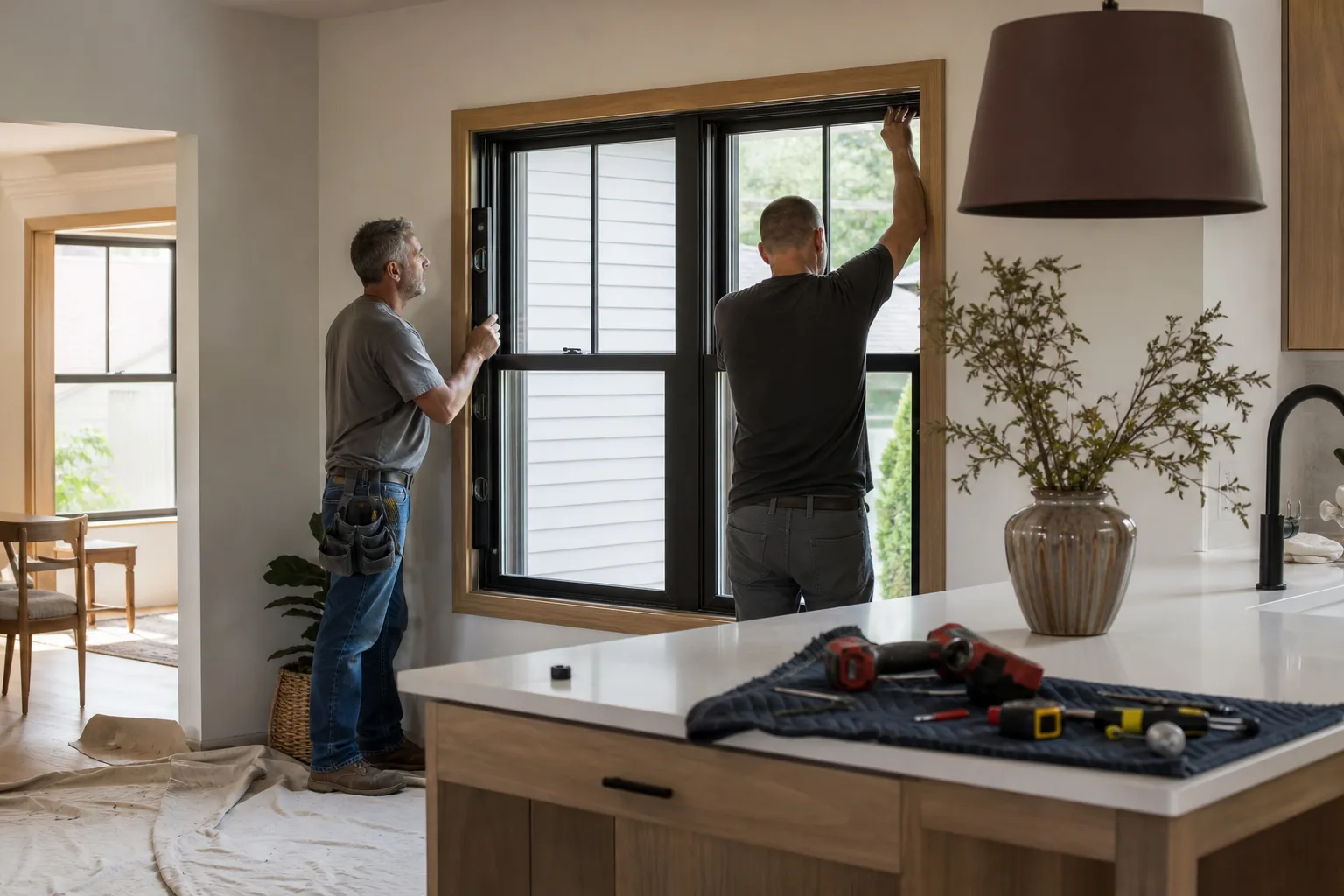
- Installation. The crew removes the old units, checks the opening and any rot, sets the new frame, seals, and completes trim.
- Documented photo record. Every visit ends with a photo record of what was found and what was done, included as standard.
- 365-Day Done Right Promise. If it’s not right, we make it right – written, not verbal, backed by our terms.
If you’re also considering exterior work that touches the same walls, we handle Home Additions & ADU in Plano and coordinate window and door scheduling so openings aren’t cut twice.
Common Mistakes to Avoid
- Buying on U-factor alone. In Plano’s climate, SHGC of 0.25 or lower is the number that moves your summer bill; a low U-factor with a high SHGC still lets the heat in.
- Skipping impact ratings. Class 4 glazing can earn insurance discounts and survive a Plano hail season; non-rated glass doesn’t. Ask your carrier before you shop.
- Spec’ing the same glass on every elevation. West-facing rooms take far more solar load than north-facing ones. A single spec wastes money on one side and underperforms on the other.
- Buying a beautiful door without checking the assembly. Core density, threshold seal, and frame material decide performance, not the wood veneer on the face.
- Not checking the glass label on delivery. Factory substitutions happen. If the SHGC on the label doesn’t match the quote, you’ve paid for a different window.
- Ignoring the permit trigger. Enlarging an opening or changing egress without a permit creates problems at resale. The fee is small; the fix is not.
- Choosing vinyl in a hail-exposed neighborhood. Vinyl is a fine budget material, but in Plano’s hail belt, fiberglass holds up better over the life of the window.
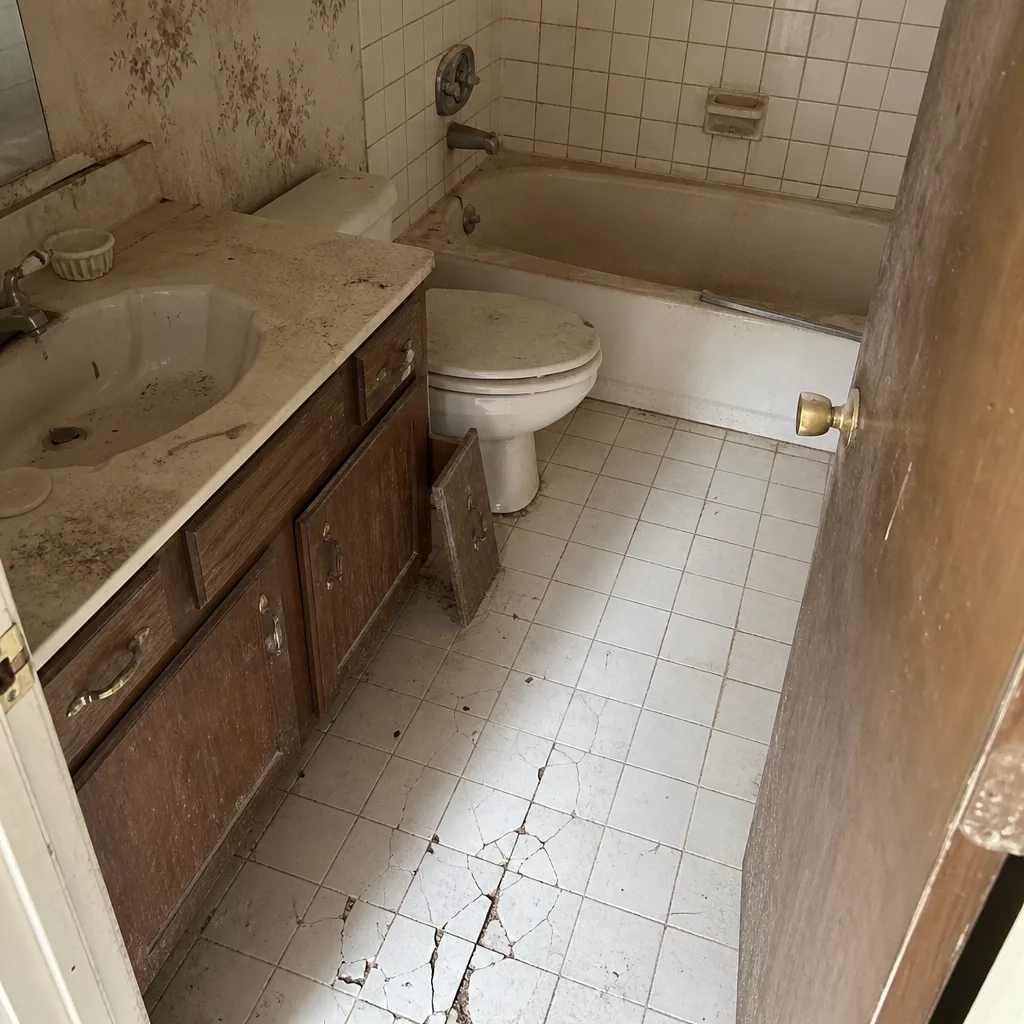
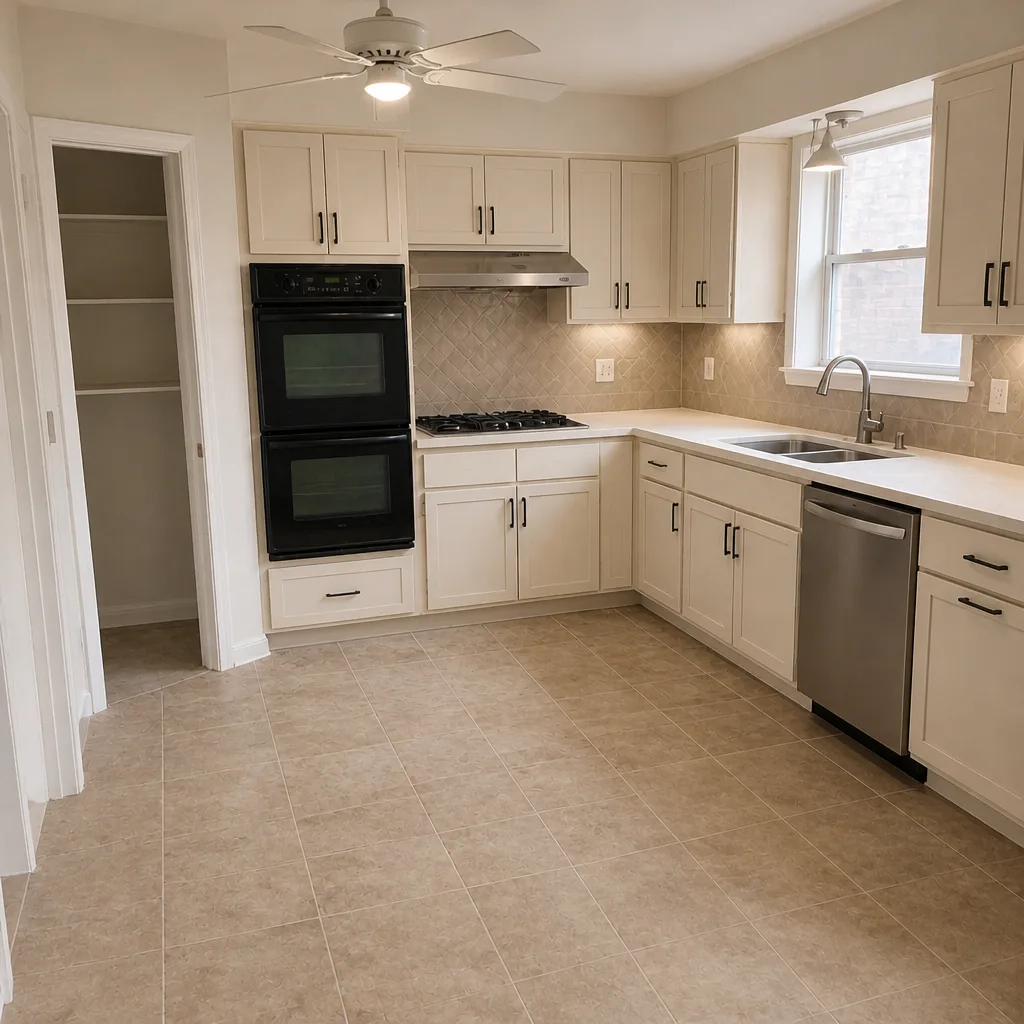
See the difference
 Before
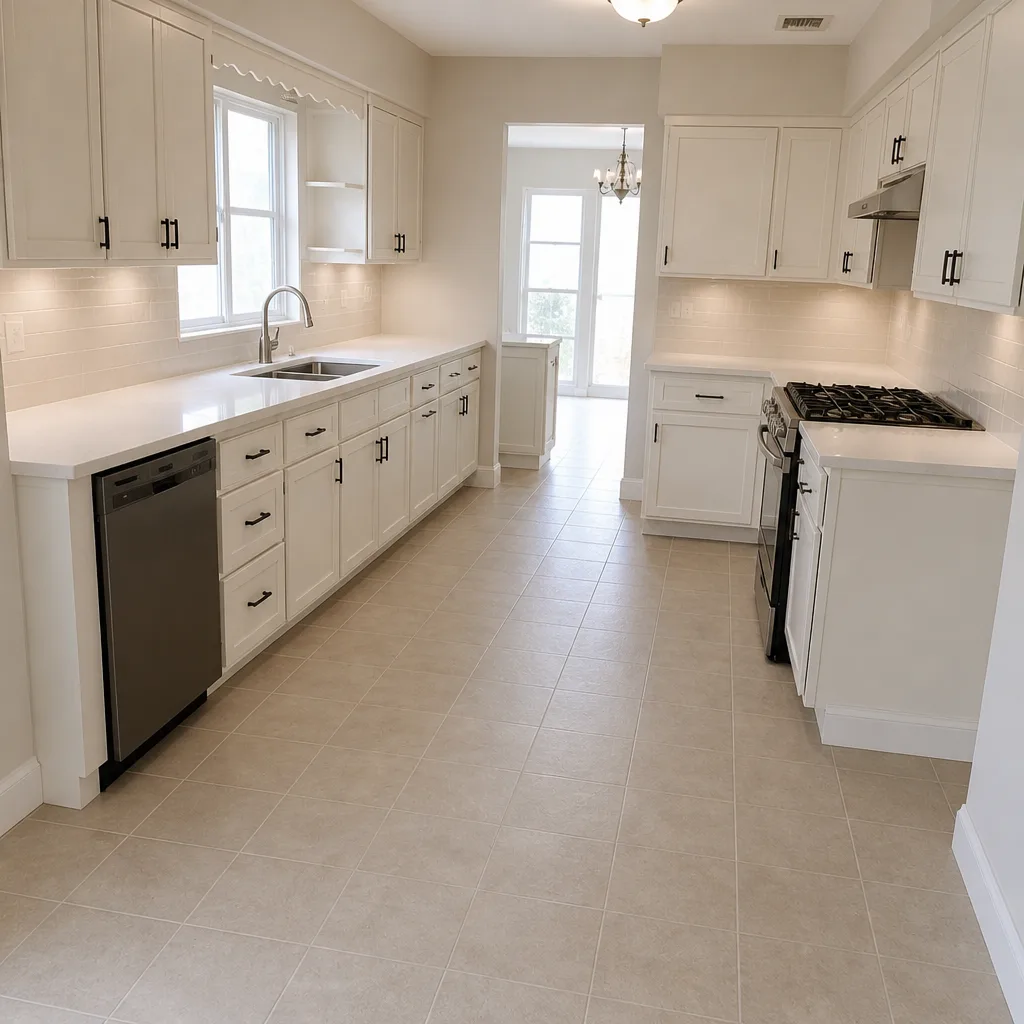 After
 Before
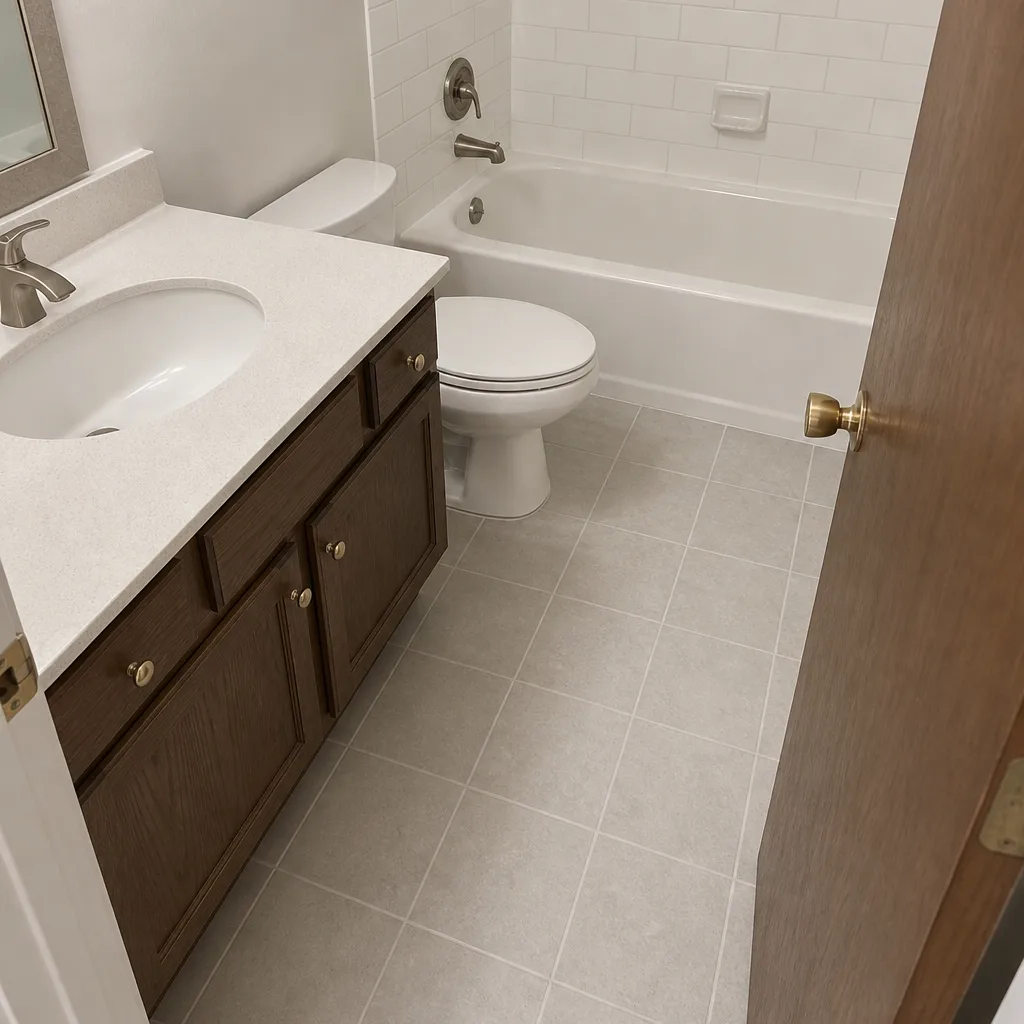 After
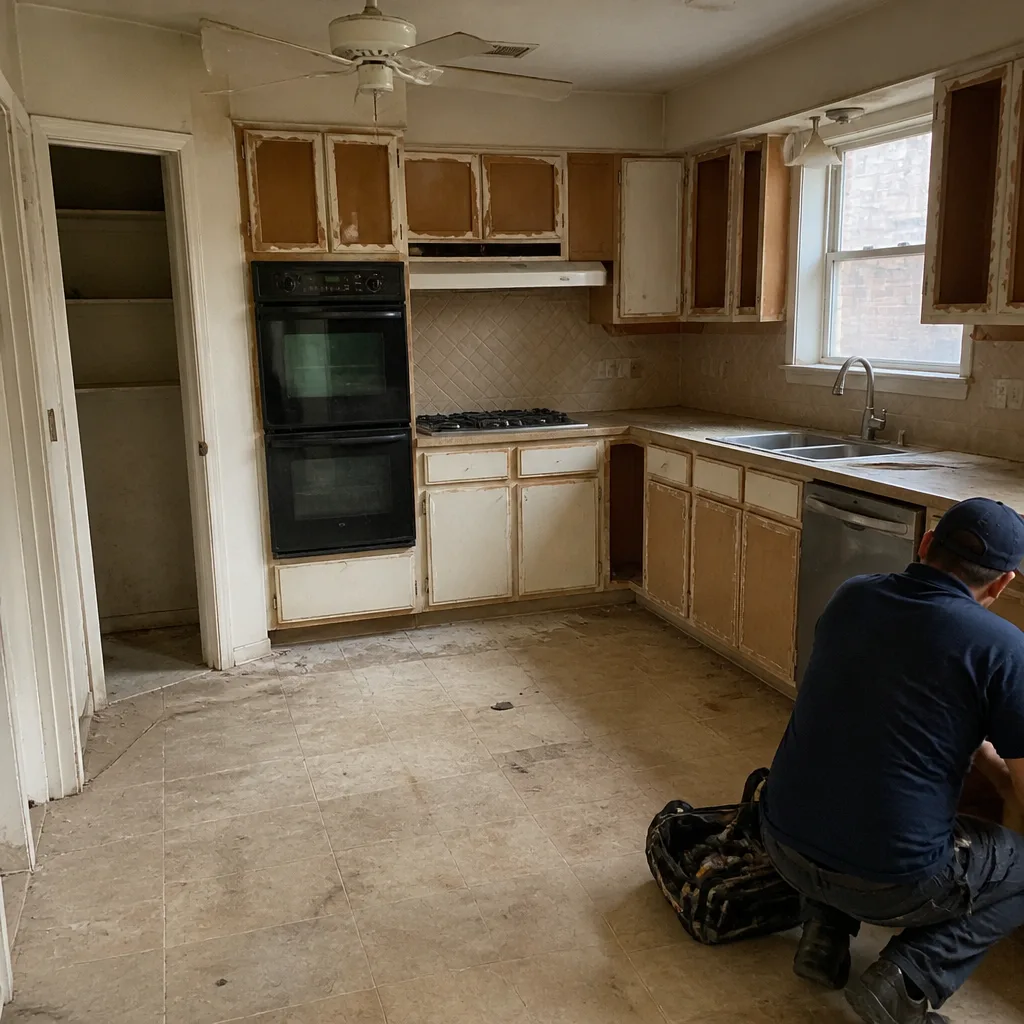 Before
 After
When to Call a Professional
Some window and door work is straightforward measurement and replacement; other work needs a trained hand. Call a professional when the scope touches structural openings, egress windows, or the load-bearing framing around a door – those are permit and engineering territory. Call when you’re on the third hail season with visible frame damage, or when an entry door no longer seals at the threshold and air moves freely around it. Call when you can’t get a straight answer on the glass spec in writing, because that’s the number that decides your cooling bill for the next couple of decades. Rowan Construction Group Plano offers free estimates in Plano – call (844) 761-8346, and we’ll bring the written price and the glass spec to the first visit.
Frequently Asked Questions
Replacement windows in Plano typically run $550–$800 installed per window for vinyl, $750–$1,000 for fiberglass, $600–$900 for aluminum, and $950–$1,400 for wood-clad, with the glass package driving much of the spread. A whole-home replacement on a typical Plano house lands in the five-figure range. Call (844) 761-8346 for an exact quote – estimates are free.
A straight replacement that keeps the same size, location, and operation type usually doesn’t need a permit, but any change to the rough opening, the operation type, or the egress path does. We pull the permit and pass inspection on any scope that touches structure or egress. Call (844) 761-8346 to talk through your specific planned work.
Target an SHGC of 0.25 or lower, along with a U-factor of 0.30 or lower, to meet ENERGY STAR’s South-Central zone requirements for Plano. SHGC is the higher-priority number here because it controls how much summer heat enters. We’ll verify the label against the exact spec. Call (844) 761-8346 for a free glass-package review.
Some Collin County carriers discount premiums for Class 4 impact-rated glazing, and a few reduce deductibles on homes with full Class 4 coverage – but the discount varies, so call your agent first. Class 4 is the top tier, tested against a 2-inch steel ball. Ask your carrier what documentation they need, then call (844) 761-8346 so we can spec the rating into the quote.
Fiberglass holds up better in Plano’s heat and hail because it expands and contracts far less than vinyl, resists impact, and needs no painting – at a modestly higher cost of roughly $750–$1,000 installed versus $550–$800 for vinyl. Vinyl is a fine budget choice; fiberglass is the better long-term pick in hail-exposed neighborhoods. Call (844) 761-8346 for a side-by-side quote on both.
A mahogany door with a hollow core and a foam-wipe threshold will leak heat no matter how good the wood looks, because performance comes from the core density, the threshold seal, and the frame material – not the face veneer. Spec a solid insulating foam core, an adjustable sill with a positive seal, and a composite or fiberglass frame. Call (844) 761-8346 and we’ll quote the full assembly.
The Bottom Line
In Plano, window and door decisions come down to three localized variables: SHGC that keeps summer heat out, impact ratings that survive hail season, and energy code tiers that fit the South-Central zone. Get the glass package right by elevation, ask your insurer about Class 4 discounts, spec the door as a full assembly, and know when a permit is required. Nail those four and the rest is fit and finish. If you’d rather have the numbers written down, bring us any quote and we’ll review it line by line at no charge.
Free Estimate in Plano
Call (844) 761-8346 to schedule your free estimate, or bring a competitor’s written estimate for a free second opinion reviewed line by line. Every quote comes with a flat written price, a written scope, and a written warranty, and we pull the permit on any scope that requires one. If you’re planning exterior work alongside the windows, pair it with Driveway & Pavers in Plano or Fence Installation in Plano and we’ll schedule the crews together. You can read more about our full range of trades from the Rowan Construction Group Plano home, and if a door or window relocation becomes a structural change, our team handles it under the same Haven Standard.
Written by the team at Rowan Construction Group Plano.