
Last updated November 18, 2026




Free written scope consultation - allowances, timeline, and change-order rules on paper before a single trade is scheduled
The Complete Guide to Construction in Plano
Plano issued more than 1,200 residential construction permits in a single recent year, and the city’s Development Services office carries a documented backlog that can add two to four weeks to a standard plan review. That gap between “permit filed” and “permit issued” is where most Plano homeowners lose money and time, because their contractor didn’t account for it in the schedule. This guide explains what construction in Plano actually involves: the expansive Blackland Prairie clay under your lot, the specific departments that review your plans, the trades Texas law requires to be separately licensed, and how to read an insurance certificate before you sign anything.
Quick Answer
Construction in Plano means planning for three local realities before work starts: Blackland Prairie clay subsoil that swells and shrinks with moisture and requires engineered foundation and drainage specifications; a Development Services Center review backlog that adds two to four weeks to typical residential permit timelines; and Texas licensing rules that put framing, concrete, roofing, electrical, plumbing, HVAC, and finish carpentry under separate licensed subcontractors. A realistic Plano project builds all three into the schedule and the written price, not into change orders later.
Styles & brands we work with
- Kitchen remodeling
- Bathroom remodeling
- Home additions & ADU
- Roofing
- Windows & doors
- Driveway & pavers
- Fence
Table of Contents
- Why Plano’s Clay Soils Change Your Foundation Specs
- How Plano’s Development Services Center Reviews Your Project
- The Seven Trades That Need Separate Licensed Subcontractors
- What a Realistic Plano Construction Schedule Looks Like
- How to Read a Contractor’s Certificate of Insurance
- What Construction Costs in Plano
- Common Mistakes to Avoid
- When to Call a Professional
Why Plano’s Clay Soils Change Your Foundation Specs
Plano sits on Blackland Prairie subsoil, a dark, heavy clay that holds water and expands when wet, then contracts and cracks as it dries through a Texas summer. That movement is measured in inches across a season, and it transfers directly into whatever sits on top of it. A slab poured to a generic spec in a sandy-soil suburb will perform differently on a Plano lot, and the difference shows up as stair-step cracks in brick, sticking doors, and slab cracks within the first few years.
What this means for your project, before anyone files a permit:
- Geotechnical review first. For additions, ADUs, and any new slab, a soil report or borings tell your engineer what the clay is doing on your specific lot. Lots near creeks and drainage easements in Plano behave differently from lots on higher ground in the same neighborhood.
- Engineered foundation design. Post-tensioned slabs, grade beams, and deepened footings are routine responses to expansive clay. The engineer stamps the design; the city reviews it.
- Drainage is part of the foundation. The grading plan matters as much as the concrete. Water that ponds against a Plano foundation in spring will find the clay and move it. Swales, gutters, and downspout extensions that discharge well away from the slab are part of the spec, not an afterthought.
- Pier-and-beam additions. Where a new addition meets an existing slab, the transition detail is where failures start. Drilled piers to a depth the engineer specifies keep the addition from moving independently of the original structure.
In our experience, the Plano projects that go sideways on foundation issues are the ones where the soil was never tested because “it’s just a small addition.” A small addition on moving clay still moves.
How Plano’s Development Services Center Reviews Your Project
Plano’s Development Services Center handles permitting through several distinct desks, and knowing which one your project lands at determines how long review takes. Residential construction is not one queue.
Residential permits run through the building division for new homes, additions, remodels, and accessory structures. Plan review checks structural, energy code, and life-safety compliance. This is the review that carries the documented backlog: two to four weeks beyond the posted turnaround is realistic for a full submittal in a busy season, and revisions after comments start the clock again.
Trade permits (electrical, plumbing, mechanical) are separate submittals, often reviewed faster, but they don’t issue until the parent building permit does. Filing them out of order wastes time.
Zoning and platting review handles setbacks, lot coverage, easements, and the placement of the structure on the lot. An ADU or a rear addition that pushes into a setback fails here regardless of how good the structural drawings are. Plano’s lot coverage limits catch more homeowners than any other single rule.
Engineering and drainage review applies when your project changes impervious cover or grading. A new driveway, a large addition, or a detached structure that alters runoff routes can trigger it.
Fire and health review applies to certain occupancies and to anything touching gas service in specific configurations.
The practical sequence:
- Confirm zoning and setbacks against your survey before drawing anything.
- Get the soil report if the project involves new foundation work.
- Submit the building permit with a complete plan set; incomplete submittals get rejected and re-queued.
- File trade permits once the building permit is in review, not before.
- Schedule inspections at each hold point the approved plans specify. Do not cover work before the inspection passes.
Our approach under The Haven Standard is to build the permit review window into the written schedule, so a four-week review shows up as four weeks on the calendar rather than as a surprise delay. Our Rowan Construction Group Plano home lays out the trades we handle and the documentation that comes with each.
The Seven Trades That Need Separate Licensed Subcontractors
Texas regulates construction trades through separate licensing and registration paths, and a Plano project typically touches seven categories that require their own licensed or registered professionals. Hiring a general contractor does not make the general contractor your electrician; it means the general contractor coordinates licensed trades under one contract.
- Framing. Structural framing must match the engineered plans. Plano inspectors check nailing schedules, braced wall panels, and header sizing against the approved drawings, so a framer working from memory rather than the plan set gets corrections.
- Concrete and foundations. Slab, footings, and pier work require a contractor set up for engineered foundation installs, including post-tensioning where the design calls for it.
- Roofing. Texas doesn’t require a state roofing license, but Plano projects still need a contractor who can produce an insurance certificate and pull the roofing permit. Materials matter here: GAF and Owens Corning systems both have manufacturer installation specs that affect warranty validity, and a crew that skips the spec voids it.
- Electrical. Licensed electricians handle service changes, new circuits, panel work, and any wiring inside the walls. Plano requires permits and inspections for these, full stop.
- Plumbing. Licensed plumbers handle supply, drain, waste, and vent work plus gas piping. A remodel that moves a fixture requires a plumbing permit.
- HVAC. Licensed mechanical contractors handle equipment, ductwork, and refrigerant lines. Plano’s energy code review looks at equipment sizing and duct sealing, so the mechanical submittal is part of the plan review package.
- Finish carpentry. Cabinetry, trim, and millwork aren’t state-licensed in Texas, but the quality gap between a trim crew that measures twice and one that doesn’t is visible in every doorway. Cabinet brands like KraftMaid and Wellborn carry installation requirements that affect the warranty, so the installer’s competence is a warranty question, not just a taste question.
Ask your contractor to name each licensed professional who will be on your Plano job and confirm permits are pulled in the correct name. Under Clause 1 of the Haven Standard, the scope and the price are written before anyone starts, and the scope names the trades involved.
What a Realistic Plano Construction Schedule Looks Like
Most delays on Plano jobs happen in the first third of the project, and they are avoidable. Here’s a realistic month-by-month view for a mid-size addition, roughly three to four months end to end.
Months 1 – 2: Design, soil, and permit. Survey, drawings, structural engineering, and the soil report happen here. Permit submittal goes in, and the review window runs two to four weeks at best. Revisions add time. This is also when you verify insurance and sign the contract with the written price.
Month 2 – 3: Site prep and foundation. Demolition if any, grading, and foundation install. Inspections on the foundation and any underground plumbing happen before the slab is poured. Hold points are non-negotiable; the inspector has to see the work before it’s covered.
Month 3: Framing and rough-in. Framing inspection passes, then plumbing, electrical, and HVAC rough-ins run inside the walls. A second round of inspections covers each trade. You’ll feel the schedule tighten here if any trade’s submittal was incomplete.
Month 3 – 4: Insulation, drywall, finish. Insulation and drywall, then finish carpentry, cabinetry, fixtures, and paint. Final inspections close the permit.
Two things stretch this. One is a change made mid-build; a signed change order controls it under the Haven Standard, but the schedule still moves. The other is inspection re-work, which is why complete plan sets and licensed trades matter. A two-week slip on a Plano addition is common. A two-month slip usually traces back to a missing submittal or an unlicensed trade.
How to Read a Contractor’s Certificate of Insurance
A certificate of insurance (COI) is a one-page document from your contractor’s insurance carrier. It’s not proof the policy is active; it’s evidence a policy existed on the date issued. You want to read three sections carefully.
- General liability. This covers damage to your property and to third parties during the job. Look for a policy limit of at least $1,000,000 per occurrence. Confirm the policy isn’t cancelled or expired; some contractors hand over a COI from a prior policy year.
- Workers’ compensation. This protects you if a worker is injured on your Plano property. Texas is the only state where workers’ comp is elective for employers, which means it’s entirely possible your contractor doesn’t carry it. Ask directly. If the answer is a refusal to show the certificate, that’s your answer.
- Certificate holder and additional insured. Ask to be listed as an additional insured on the general liability policy for the duration of the project. This gives you direct access to the policy if something goes wrong.
A COI with a blank expiration date, a policy number you can’t confirm with the carrier, or a limit that doesn’t match the size of the job is a walk-away signal. Background-checked, uniformed technicians are one layer of trust; a verifiable COI is another.
The same discipline applies to subcontractors. Each licensed sub should show you its own COI before starting on your Plano property. Our crews come verified, and a live person answers the phone around the clock if you need to confirm a certificate.
What Construction Costs in Plano
Pricing on a Plano project depends on scope more than any other factor, but the ranges below reflect what the market shows for common work. Treat them as a starting point for a written quote, not a substitute for one.
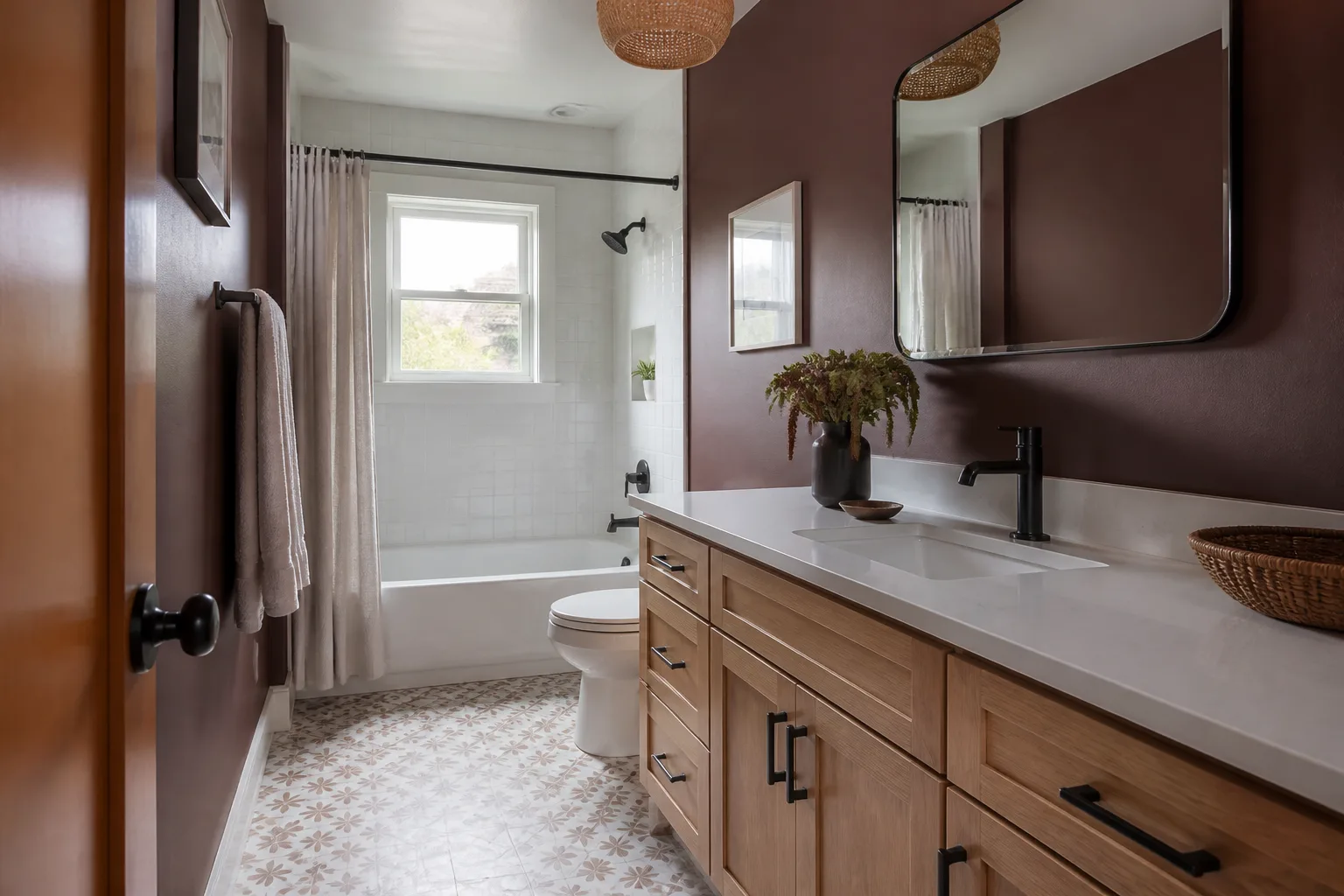
- Bathroom remodel (full gut, mid-range finishes): roughly $18,000 – $35,000 depending on fixture and tile grade.
- Kitchen remodel (layout change, cabinetry replacement): roughly $45,000 – $90,000, with scope driving most of the spread.
- Roof replacement (architectural shingle, typical Plano home): roughly $12,000 – $22,000.
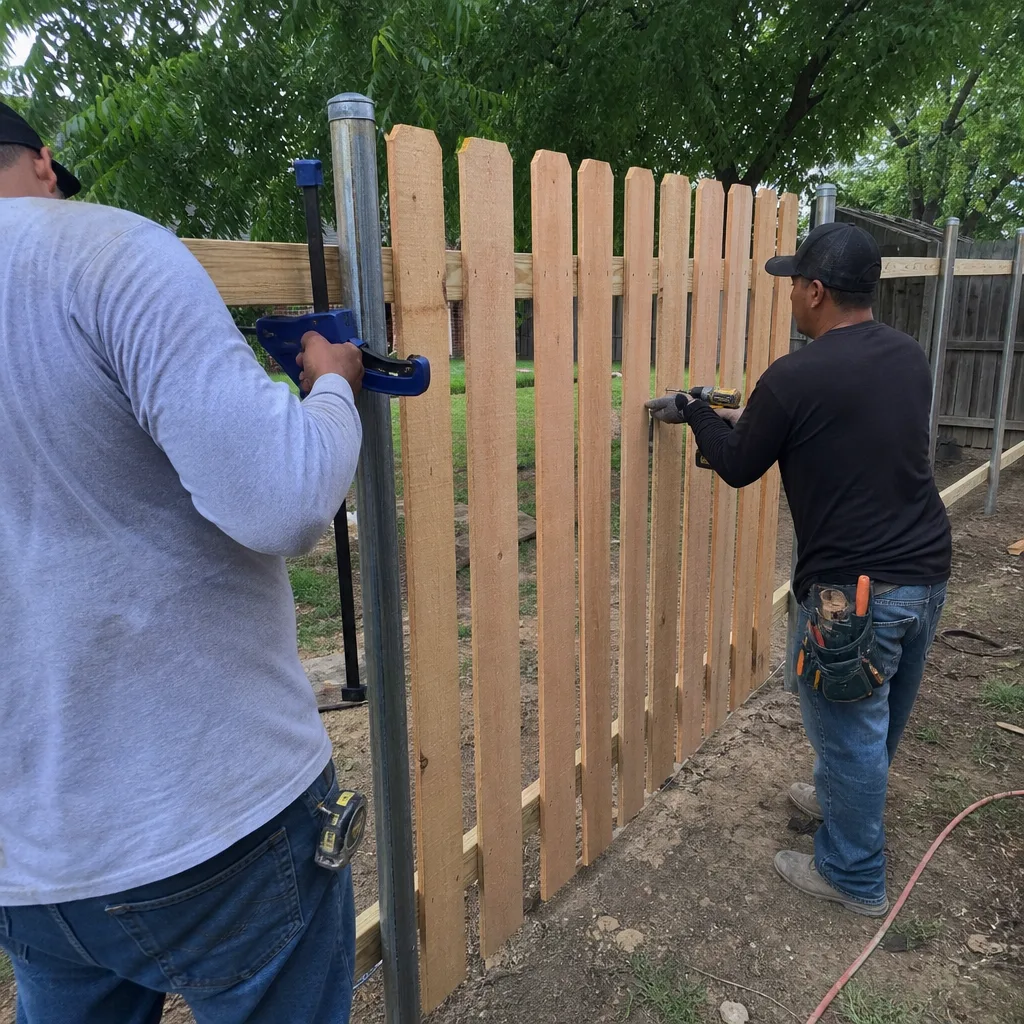
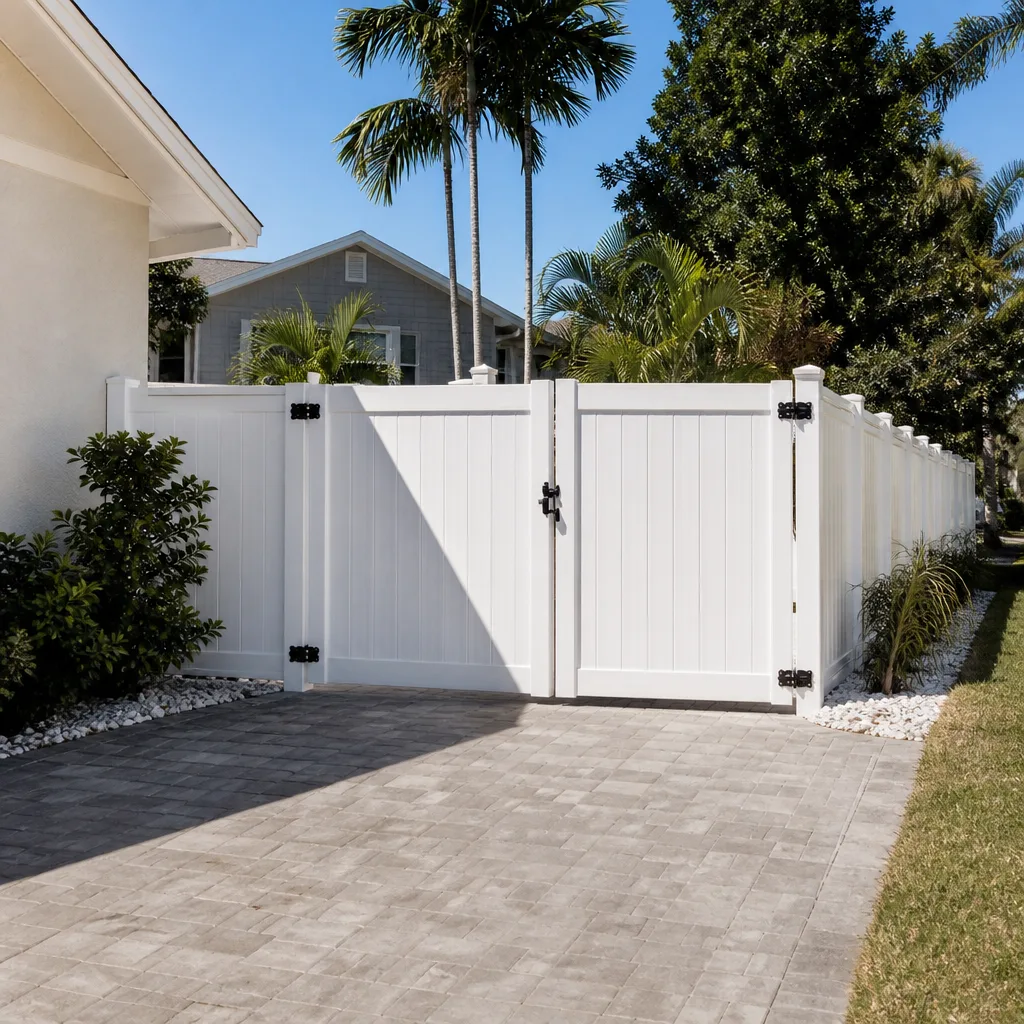
- Fence installation (cedar, typical lot): roughly $4,000 – $9,000.
- Driveway replacement (pavers): roughly $12,000 – $28,000 depending on square footage and material.
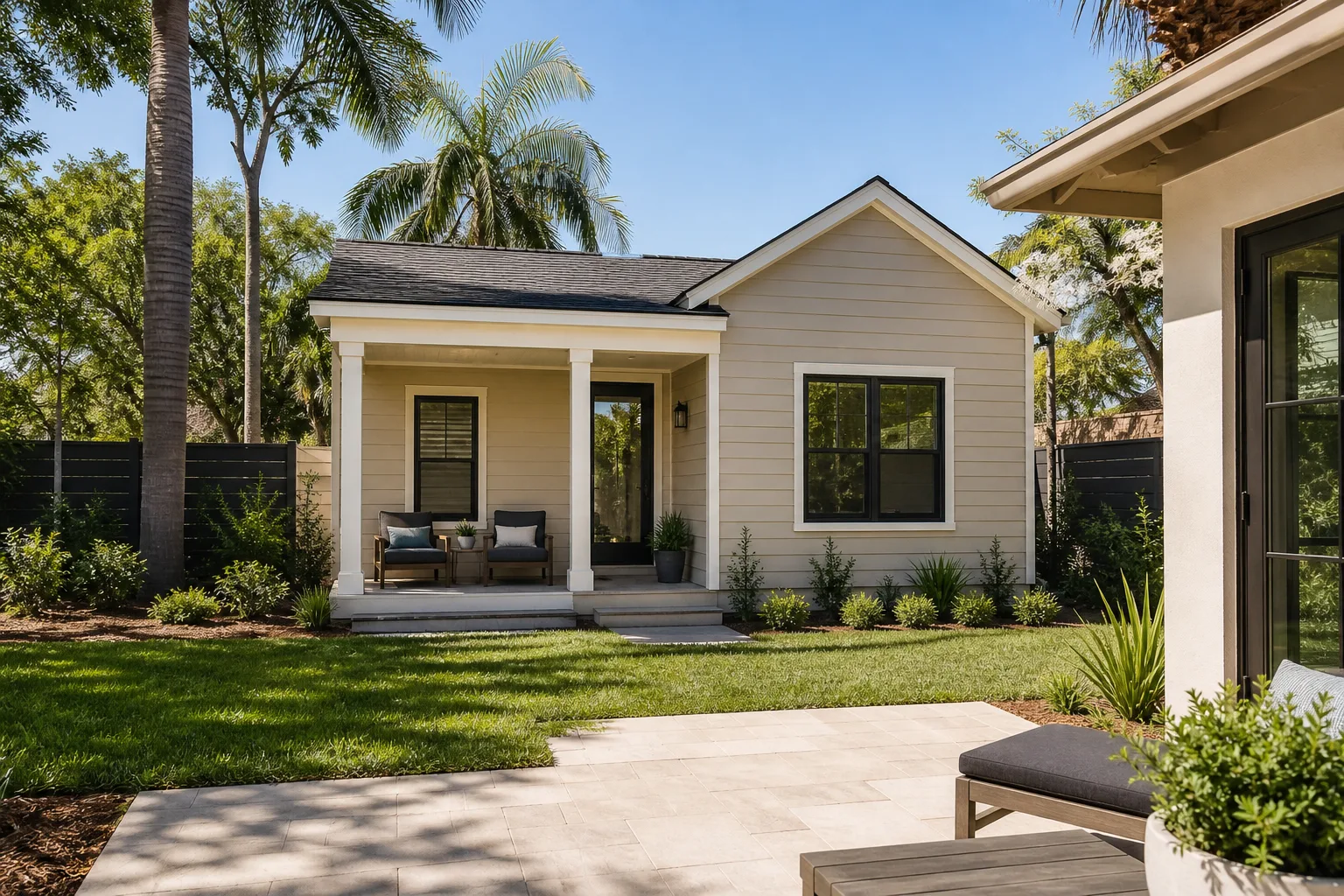
- Home addition or ADU (attached, mid-range): roughly $200 – $350 per square foot, land and utility work included.
A free second opinion on any written estimate is a standing offer here: bring a competitor’s quote and we’ll review it line by line at no charge, because a Plano homeowner deserves to know what each number represents. For work in specific categories, see Driveway & Pavers in Plano, Fence Installation in Plano, and Home Additions & ADU in Plano.
Common Mistakes to Avoid
- Starting before the soil report. If your contractor pours before anyone reads the clay, you’re betting the foundation on a generic spec. Get the report, even on a small addition.
- Filing trade permits out of order. Electrical and plumbing submittals queue behind the building permit. Filing them first wastes weeks on a Plano job.
- Accepting a COI without verifying limits and expiration. A one-page certificate can be a year old. Call the carrier; it takes five minutes and it’s the difference between a covered loss and an uncovered one.
- Skipping the additional-insured request. Being named on the policy costs nothing and protects you if a subcontractor damages your home.
- Treating a verbal scope as a contract. In Plano, a scope that lives in the contractor’s head becomes a change order later. Get the written scope and a written price first.
- Ignoring the drainage plan. A new driveway routed to pond against the house looks fine until the first wet spring. Watch the grading plan as carefully as the foundation drawings.
- Choosing the lowest bid without reading the exclusions. The cheapest quote is often the one with the most exclusions. Read the second page.
When to Call a Professional
Some work belongs in a professional’s hands, full stop. If the project involves new foundation work, structural changes, electrical service or panel work, plumbing or gas line changes, HVAC equipment, or anything that requires a Plano permit and inspections, the licensed-trade requirement is the practical minimum. If you’re unsure whether your project hits a permit threshold, the Development Services Center can answer that in a phone call. Under Texas law, the seven trades listed earlier operate as separate licensed categories, and coordinating them under one contract is the general contractor’s role.
Rowan Construction Group Plano offers free estimates in Plano. Call (844) 761-8346 to schedule an appointment, and you’ll get a written price and scope before any work starts.
See the difference
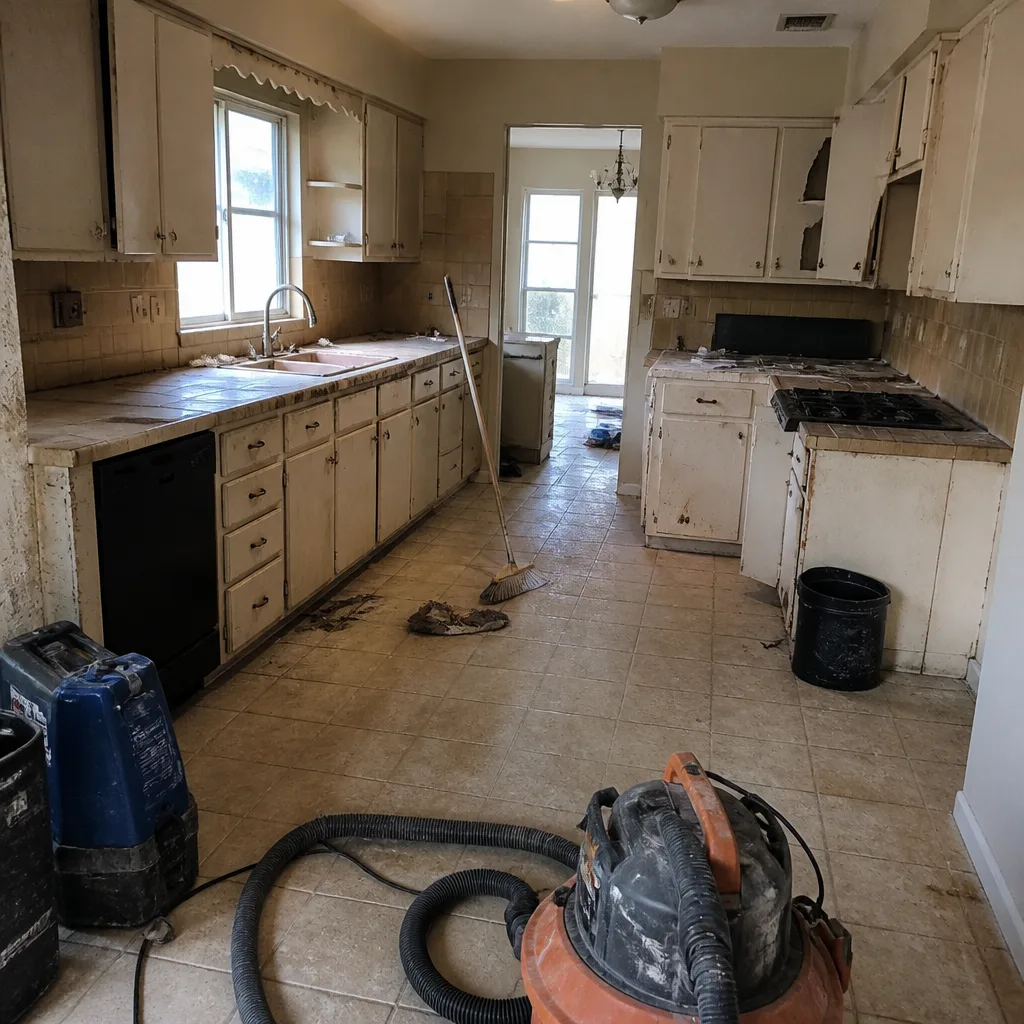 Before
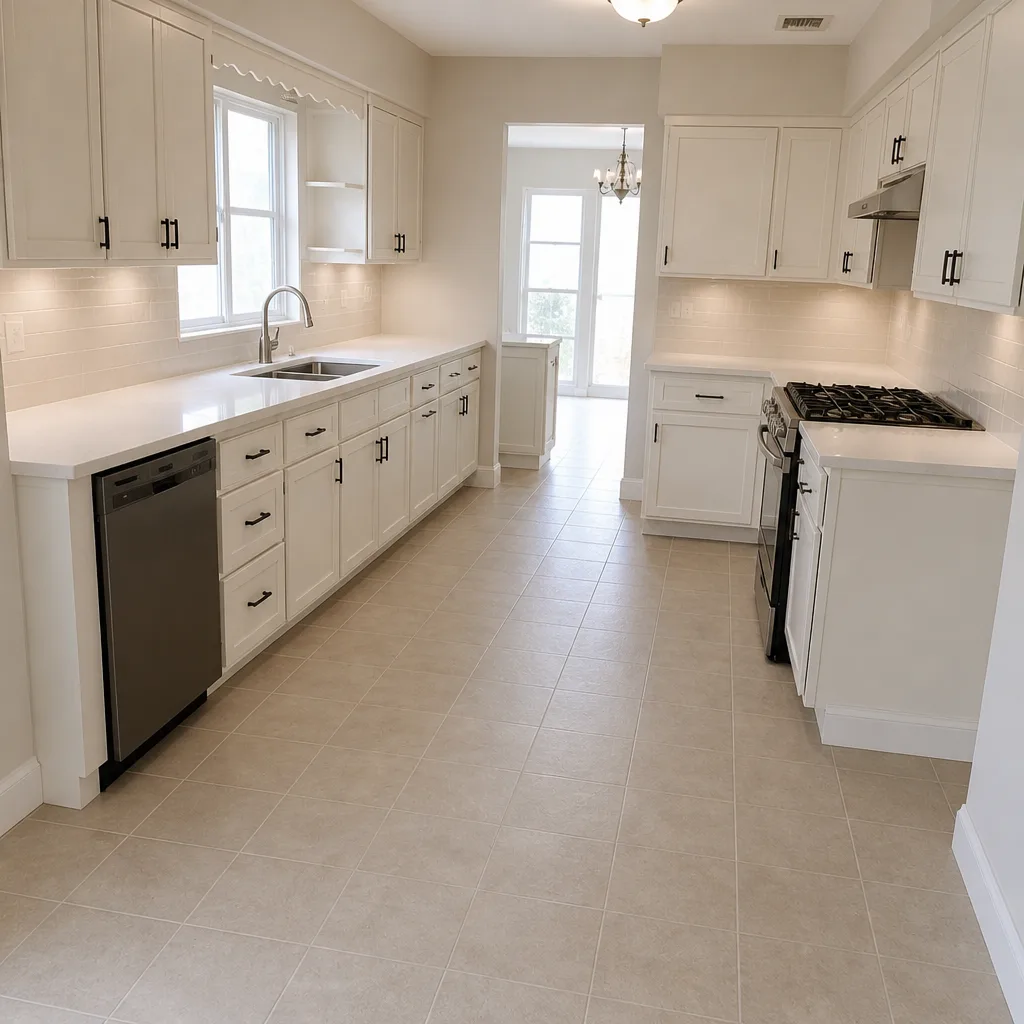 After
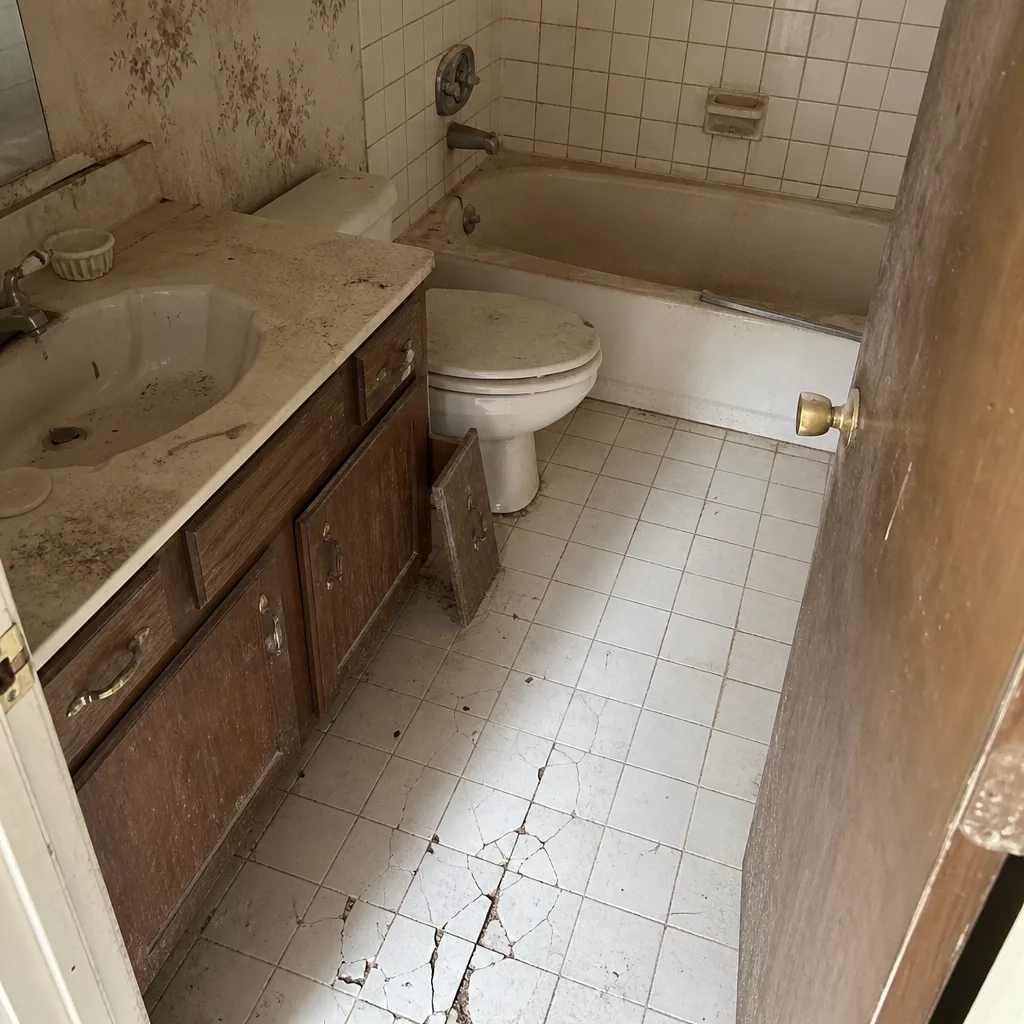 Before
 After
 Before
 After
Frequently Asked Questions

Plan review for a typical residential addition runs two to four weeks beyond the posted turnaround in Plano, and incomplete submittals restart the clock. Filing a complete set with the soil report and stamped structural drawings is the single biggest lever you have on timeline. Call (844) 761-8346 for a written estimate that accounts for the review window.
Yes. Trade permits are filed separately in Plano for electrical, plumbing, and mechanical work, and each trade must be performed by a licensed professional. The trade permits can be filed once the parent building permit is under review, with final inspections closing each one. Call us for a quote with all trade permits included in writing.
Blackland Prairie subsoil is heavy clay that expands when wet and contracts when dry, which moves foundations if the design doesn’t account for it. Engineered foundation plans, drainage grading, and pier details are the routine response on Plano lots. Get a written foundation scope before anything is poured; call (844) 761-8346 to schedule a free estimate.
Read the Certificate of Insurance for general liability limits (usually $1,000,000 per occurrence), workers’ compensation coverage, and the policy expiration date, then call the carrier to confirm the policy is active. Ask to be listed as an additional insured. Call (844) 761-8346 if you want help reading a certificate you’ve been given.
Only if you sign a change order. Under Clause 1 of the Haven Standard, the price is written before anyone starts, and no work proceeds on a change until the change order is signed, which is how projects stay within a few percent of the agreed number. Call for a free estimate with the price in writing.
Yes. Every visit includes a documented photo record as a standard deliverable, so you have evidence of what was found and what was done. Background-checked, uniformed crews and a live person answering the phone at any hour round out the process. Call (844) 761-8346 to schedule.
The Bottom Line
Construction in Plano is a specific environment, not a generic Texas suburb. The clay under your lot has to be engineered for before a permit is filed. The Development Services backlog has to be built into the schedule, not absorbed as a delay. The seven licensed trades have to be named on the contract and coordinated by one party. And the contractor’s insurance has to be verified, in writing, before anyone touches your property. A written price and a written scope before work begins is the standard to insist on. Not a verbal promise, not a rough estimate, a number you can hold someone to.
Call Rowan Construction Group Plano at (844) 761-8346 for a free estimate. Bring a competitor’s quote and we’ll review it line by line at no charge. Our technicians have up to 19 years of experience, and every visit includes a photo record, a written warranty, and the 365-Day Done Right Promise: if it isn’t done right, we make it right.
Written by the team at Rowan Construction Group Plano.