Last updated November 18, 2026

Free written scope consultation - allowances, timeline, and change-order rules on paper before a single trade is scheduled
DIY vs Professional Bathroom Remodeling: What’s Safe to Do Yourself
Painting a bathroom vanity yourself saves roughly $200. Getting your own shower waterproofing membrane wrong costs $4,000 to $9,000 in subfloor replacement, and that bill doesn’t surface for about 18 months, until the floor starts to bounce underfoot and the tile grout cracks in a line that follows the joists. The dollar gap between those two decisions is the whole guide. This isn’t a piece about whether you’re handy enough. It’s about permit exposure, moisture systems, and what a single wrong call costs to unwind, so you can draw your own line by dollar risk instead of confidence. We’ve watched Plano homeowners make both calls, and the smart ones aren’t the most skilled. They’re the ones who priced the downside first.
Quick Answer
Finish work is safe to DIY: painting, swapping hardware, replacing a vanity mirror, hanging accessories. Anything behind a wall or under a tile, including plumbing rough-in, electrical, shower waterproofing, and subfloor repair, carries repair bills in the thousands and requires permits in Collin County. Hire licensed trades for the rough-in, then reclaim the labor on finish work after inspection passes.
Styles & brands we work with
- Kitchen remodeling
- Bathroom remodeling
- Home additions & ADU
- Roofing
- Windows & doors
- Driveway & pavers
- Fence
Table of Contents
- The Dollar-Risk Table: What Can Go Wrong and What It Costs
- Does Plano Require Permits for Bathroom Remodeling?
- The Waterproofing Layer DIYers Almost Always Skip
- Where DIY Actually Saves Money Without Code or Moisture Risk
- The Homeowner Permit Trap at Resale
- How to Stage a Hybrid Project
- DIY vs Professional: A Line-Item Cost Comparison
- Common Mistakes to Avoid
The Dollar-Risk Table: What Can Go Wrong and What It Costs
The DIY decision isn’t a skill question. It’s a risk-pricing question, and the way to answer it is to write down what a botched job costs to fix next to what the trade costs to do right the first time. Most homeowners never do this math, which is why they end up tiling over a missing membrane to save a Saturday. Here’s the table we’d put in front of a Plano client deciding where to draw the line.
- Shower waterproofing membrane (Schluter Kerdi or a liquid-applied like RedGard behind tile): botched install means $4,000 to $9,000 in framing, subfloor, and tile replacement when the leak reveals itself. Licensed trade required? No, but inspection will fail a wet-area tile job without a membrane.
- Plumbing rough-in (moving a drain, relocating a supply line): wrong joint or slope runs $1,200 to $3,500 in drywall, subfloor, and re-plumb. Plano and Collin County require a permit and a licensed plumber.
- Electrical (adding a GFCI, moving a vanity light to a new wall): $600 to $2,000 to correct, plus the permit. Licensed electrician and permit required.
- Subfloor repair (soft spots around the toilet flange or tub): $900 to $2,800 if rot has spread into joists. Permit may apply depending on scope.
- Shower pan slope: a flat or backward-sloped pan traps water, costs $2,000 to $5,000 to redo, and fails inspection.
- Vanity painting: $150 to $300 to have a pro redo it. No permit, no moisture risk.
- Hardware and mirror swaps: $50 to $200 to hire out. No permit.
The pattern is obvious once it’s on paper. The cheap-to-fix items cluster at the bottom where there’s no wet area and no permit. The expensive ones all live behind a wall. That’s the line, and it holds in Plano as reliably as anywhere.
Does Plano Require Permits for Bathroom Remodeling?
Yes, for anything touching the plumbing or electrical rough-in. A permit is required in Plano and across Collin County when you move or add plumbing lines, add or relocate electrical circuits, or change the footprint or structure of the bathroom. Cosmetic work such as paint, tile over existing tile, and fixture swaps of like-for-like doesn’t need one.
This is the fact most DIY checklists leave out, and it’s the one that governs the whole decision. When a permit is required, the work has to be done by a licensed trade and inspected. That removes the option of doing it yourself, full stop. The permit isn’t a fee you can skip; it’s the gate that decides whether a licensed plumber or electrician is on the job.
What the inspection actually checks:
- Rough-in inspection: plumbing supply and drain lines, slope, venting, and electrical boxes and wiring, before any wall closes.
- Waterproofing or in-progress inspection: shower pan slope, membrane installation, and backer board detail in wet areas.
- Final inspection: fixtures set, GFCI protection in place, and everything operating.
In our Plano work we see a specific pattern with older bathrooms in neighborhoods like Willow Bend and the established pockets off Spring Creek: cast-iron drains that look fine until the rough-in inspection finds a crack at the hub. That’s not a scare tactic. It’s the reason the inspection exists, and it’s the reason a permit-required job should never be a solo project.
The Waterproofing Layer DIYers Almost Always Skip
The layer behind the tile is a waterproof membrane, either a sheet product like Schluter Kerdi or a liquid-applied coating like RedGard, and it is the single most-skipped step in a DIY bathroom. Tile and grout are not waterproof. They’re a wear surface. The membrane is what keeps water out of your framing and subfloor, and without it, moisture reaches the wood every time someone showers.
Here’s what goes wrong in sequence. Cement backer board gets installed directly to the studs. Tile goes on top. The shower looks finished and works fine for a year or two. Then mold shows up in the caulk line, the grout cracks, the floor near the shower gets soft, and a Plano homeowner calls us thinking it’s a tile problem. It’s not. It’s a missing membrane, and the repair means tearing out the tile to fix the layer that was never there.
Why inspectors and future buyers both catch it:
- Inspectors require a membrane in wet areas and check for it at the in-progress stage. A shower without one fails.
- Buyers find it during a pre-sale inspection or a home-warranty claim, and a failed wet-area inspection is a negotiating chip that costs more than the membrane ever would have.
- Mold remediation in a Plano bathroom runs $1,500 to $4,000 on top of the rebuild, because the moisture has been feeding behind the wall for months before anyone notices.
The membrane itself is inexpensive, often under $200 in materials for a standard shower. The skill is in the detailing: the corners, the seams, the pan-to-wall transition, the curb. That’s where a DIY install leaks, and it’s why we treat waterproofing as a hire-it-out item even though no license is legally required. The risk is all in the execution.
Where DIY Actually Saves Money Without Code or Moisture Risk
Plenty of bathroom work is genuinely safe to do yourself, and doing it saves real money. The test is simple: does it touch water behind a wall, does it touch electrical or plumbing rough-in, or does it require a permit? If the answer to all three is no, it’s fair game. Here’s where a Plano homeowner can reclaim the labor with nothing at stake but time.
- Painting walls and vanities: the highest-value DIY task in the room. A pro paint job on a bathroom runs $400 to $900. Doing it yourself costs $60 to $150 in paint and supplies, and a vanity refinish saves another $200 to $400 over a pro job.
- Hardware swaps: cabinet pulls, towel bars, robe hooks, a new showerhead on the existing arm, a new faucet where the supply lines already exist. Save $150 to $400 in labor, no permit, no wet area opened.
- Vanity mirror replacement: swapping a framed mirror for a new one, or adding a second mirror, is a two-hour job with a level and the right anchors. Save $200 to $500 in install labor.
- Accessory installation: shelving, a new toilet-paper holder, a medicine cabinet over the existing opening. Save $100 to $300.
- Tile demo (not install): pulling old tile yourself before the crew arrives saves $300 to $800 in labor, as long as you don’t touch the subfloor or the pan.
That’s $1,300 to $3,000 of legitimate savings across a typical Plano bathroom, none of it touching a permit or a moisture system. The mistake isn’t doing too little DIY. It’s doing the wrong DIY and paying for it twice.
The Homeowner Permit Trap at Resale
Texas is a homeowner-permit state. You can legally pull a permit in your own name and act as your own contractor on your own home, and that’s not a loophole, it’s the law. The trap isn’t the permit itself. It’s the disclosure obligation it creates at resale, and most homeowners never think about it until they’re signing a seller’s disclosure.
When you pull a homeowner permit and the work is done by you or a mix of subs you hired, the record says exactly that. At resale, a buyer’s inspector or the seller’s disclosure form will surface it, and unpermitted or owner-permitted electrical and plumbing work is a known risk item. Buyers treat it as a negotiating lever. In Plano’s market, where a lot of buyers are relocating for corporate jobs and carrying relocation timelines, a flagged permit history can cost more in price concessions than the whole remodel saved.
What the disclosure actually looks like:
- Seller’s disclosure form: you disclose any work done without the proper permits, and homeowner-permitted work is a gray area buyers read as risk.
- Buyer’s inspection: the inspector flags homeowner-permitted electrical or plumbing, which triggers a specialist inspection at the buyer’s request.
- Negotiation: the buyer asks for a credit or a re-do, and you’re paying for the work twice or discounting the house.
Contractor-permitted work avoids all of this because the licensed trades and their inspections are on the record. This is also the discipline behind our upfront pricing and signed change orders. A documented record at the end of a job is worth something at resale, and it’s worth something when a buyer’s inspector shows up. If you want to weigh your own plan against a contractor’s, a free second opinion on any written estimate is a place to start, and our Rowan Construction Group Plano home page lays out how we price before anyone picks up a tool.
How to Stage a Hybrid Project
The hybrid project is the smartest play for a confident DIYer, and almost nobody talks about it. You hire the licensed rough-in work, let it pass inspection, then reclaim the labor on finish work yourself. You get the permit and the documentation covered by a professional while keeping the parts of the job that are safe and satisfying in your own hands.
Here’s how the sequence runs on a Plano bathroom:
- Scope the split with the contractor first. Agree in writing which tasks they own (rough-in, waterproofing, pan) and which you own (paint, hardware, mirrors, accessory install). This goes in the written scope.
- Hire the permit-required rough work. Plumbing and electrical rough-in, subfloor repair, and shower pan and membrane go to the licensed trades, with the permit pulled in the contractor’s name.
- Pass the rough-in and in-progress inspections. Don’t close any wall until the inspector signs off. This is the checkpoint that protects everything downstream.
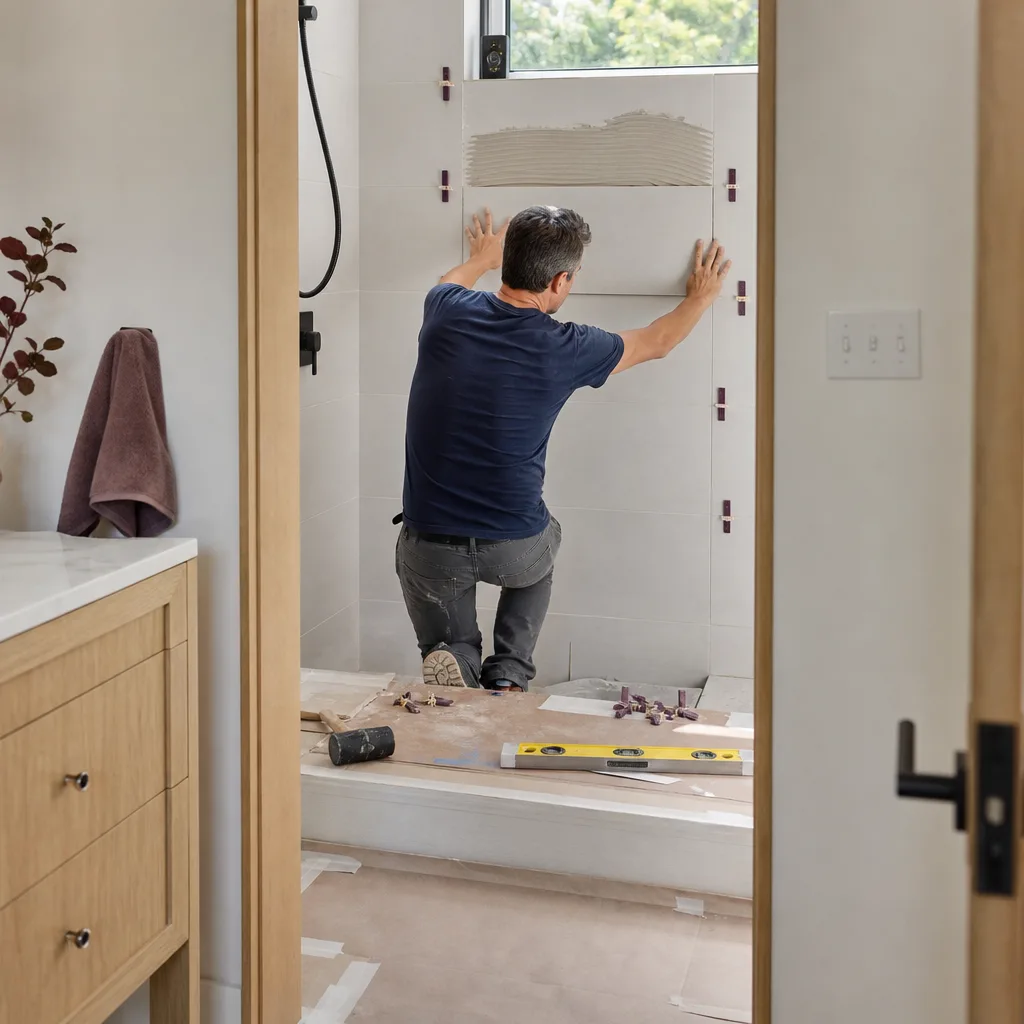
- Reclaim the finish work after inspection. Once the walls are closed and the inspection has passed, take over the tile install (if you’re confident), painting, trim, hardware, and mirrors.
- Bring the contractor back for the final inspection. Fixtures set, final walk-through, and the documented photo record delivered.
This split typically saves $2,000 to $4,500 off a full-turnkey bathroom in Plano while keeping every permit and moisture system intact. It’s how we like to work with a homeowner who wants skin in the game without taking on the risk they can’t afford to unwind. The same logic applies across trades, which is why our Home Additions & ADU in Plano work is scoped the same way: licensed trades on the structure, homeowner labor where it’s safe.
DIY vs Professional: A Line-Item Cost Comparison
Here’s the number in plain dollars. The DIY column is what materials and your time cost; the pro column is a typical Plano range. The point isn’t that pro is always better. It’s that the DIY savings vanish the moment you cross the risk line, and the repair column dwarfs the labor savings on the high-risk items.
- Shower waterproofing: DIY materials $150 to $400. Pro install $1,200 to $2,500. Botched repair $4,000 to $9,000.
- Plumbing rough-in: not DIY (permit required). Pro $1,500 to $3,500. Botched repair $1,200 to $3,500 plus redo.
- Electrical rough-in: not DIY (permit required). Pro $800 to $2,000. Botched repair $600 to $2,000 plus permit issues.
- Vanity painting: DIY $60 to $150. Pro $400 to $900. Savings $250 to $750.
- Hardware and fixtures: DIY $80 to $250 in parts. Pro install $250 to $600. Savings $170 to $350.
- Mirror replacement: DIY $80 to $300. Pro install $250 to $700. Savings $170 to $400.
- Tile install (dry areas only): DIY materials $400 to $900. Pro $1,200 to $3,000. Savings $800 to $2,100, if you’re genuinely comfortable with layout and level.
A full DIY bathroom on everything ends up around $3,000 to $6,000 in materials, with $4,000 to $9,000 of exposure on the waterproofing alone. A full professional Plano bathroom runs $12,000 to $28,000 depending on scope and finish level. The hybrid sits around $8,000 to $16,000 and keeps the expensive risk covered. If you’re planning the broader home at the same time, the same staging logic carries into our Driveway & Pavers in Plano and Fence Installation in Plano work, where brands like Techo-Bloc and Tremron set the material baseline and the written price holds.
Common Mistakes to Avoid
- Skipping the waterproofing membrane. It’s the single most expensive shortcut in a bathroom. The tile looks great for a year, then the subfloor goes soft and the repair is a full rebuild.
- Pulling a homeowner permit for plumbing and electrical. It’s legal in Texas, but the disclosure at resale and the buyer’s inspection turn it into a price concession that costs more than the permit would have.
- Tiling over a wet area without an in-progress inspection. In Plano, a shower pan and membrane have to be seen before the tile goes on. Close the wall first and you’ve buried the evidence.
- Treating tile and grout as waterproof. They aren’t. The membrane is. Assuming otherwise is how water reaches the framing behind a wall for months.
- Ignoring the subfloor under an old toilet flange. Plano’s 1990s-era bathrooms often have a soft spot at the flange that a cosmetic refresh hides. Fix it before the new floor goes down, not after.
- Buying materials before the scope is written. A written scope and flat price come first; materials follow. Wiring yourself to a tile you bought before the layout was set is a recipe for a costly return and a slowed job.
- Assuming the cheapest quote is the honest one. A written line-item quote from one contractor is worth more than three verbal estimates. Bring any written estimate to us and we’ll review it line by line at no charge.
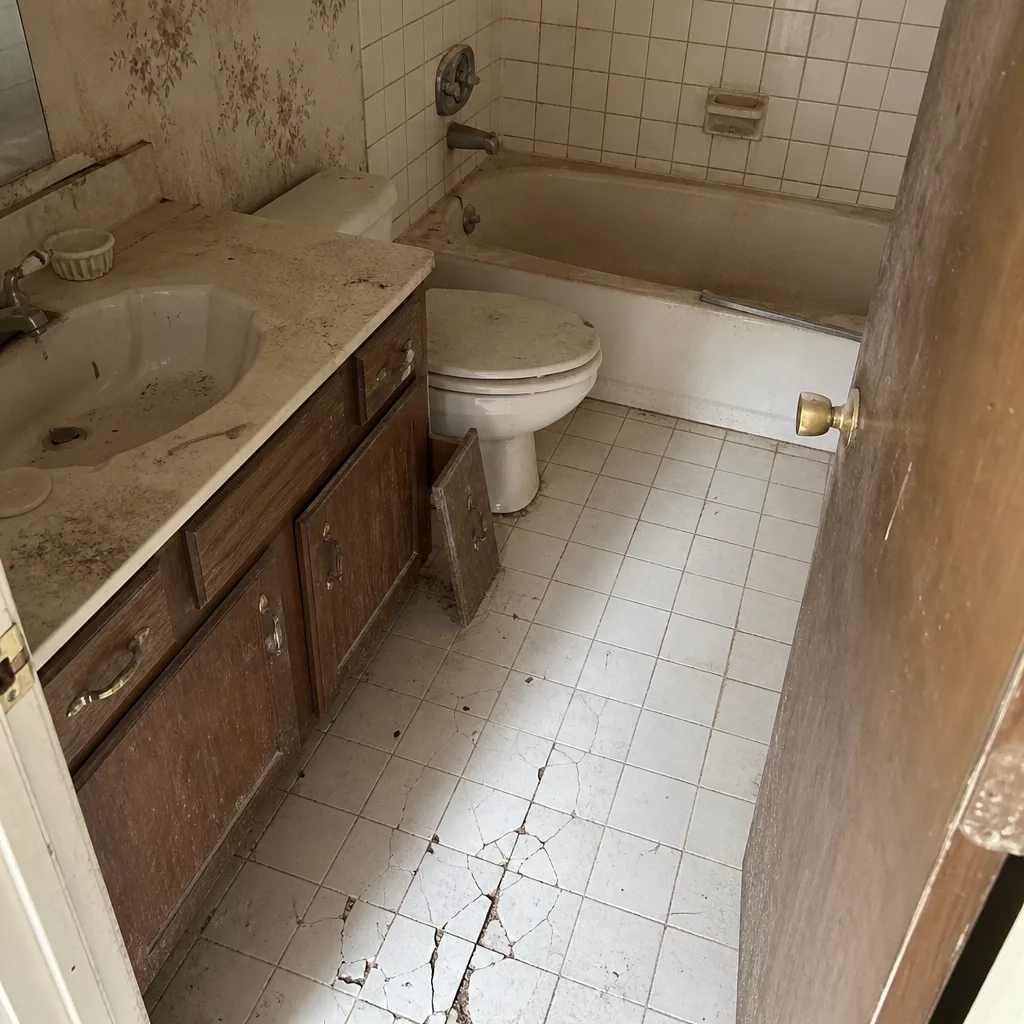
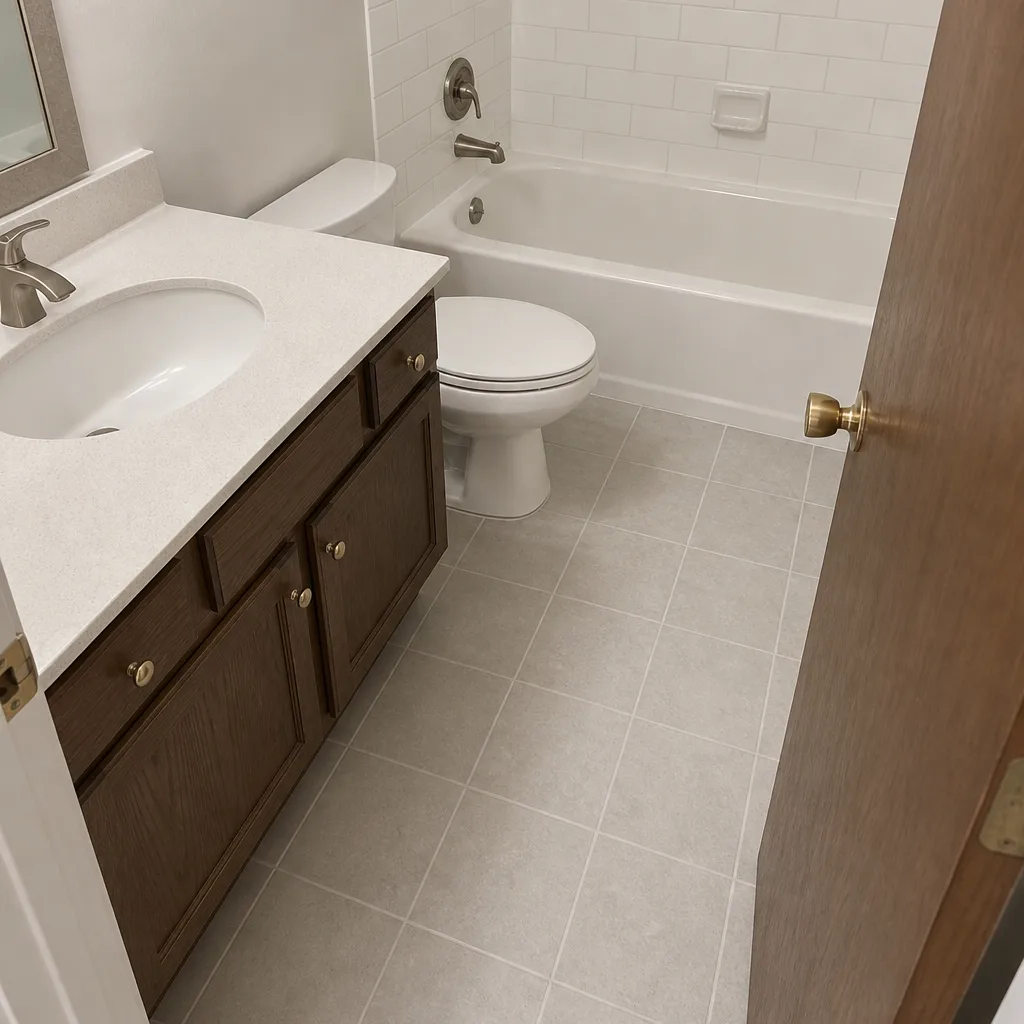
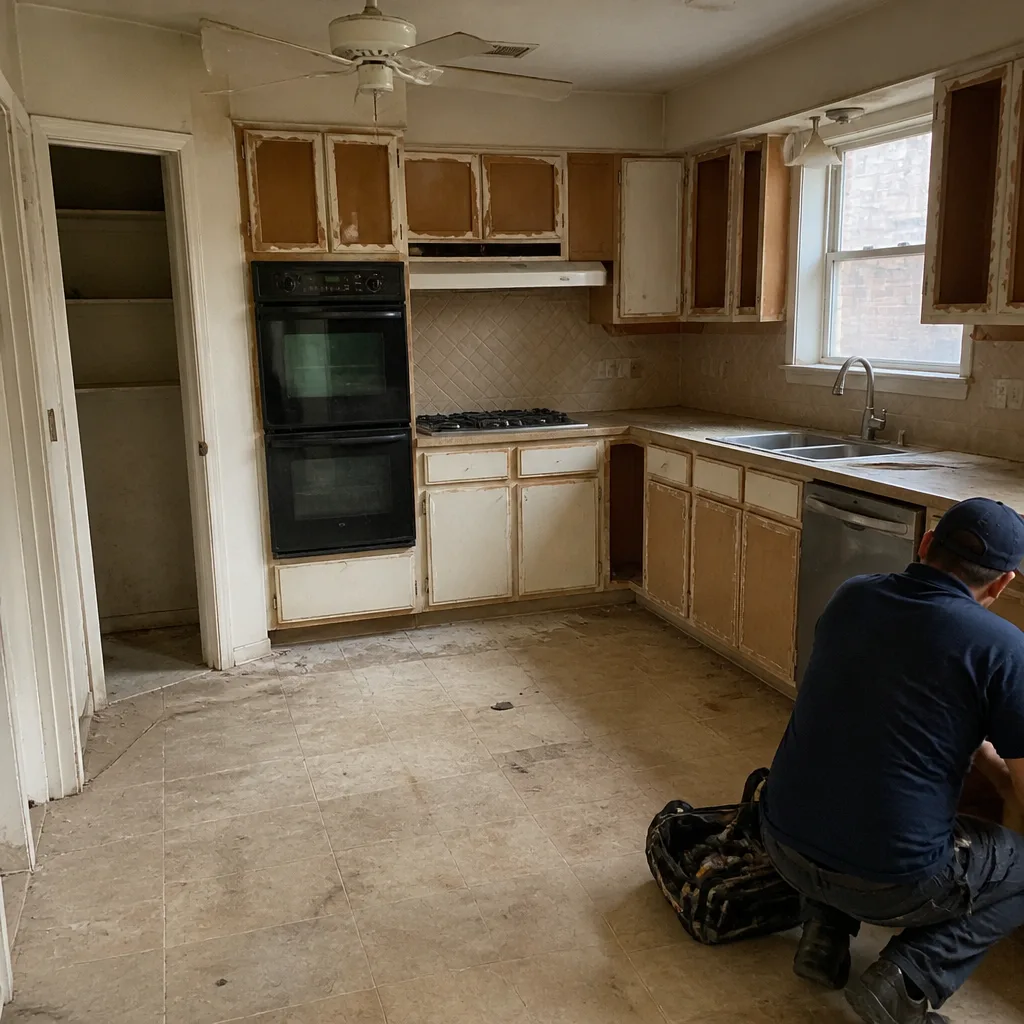
See the difference
 Before
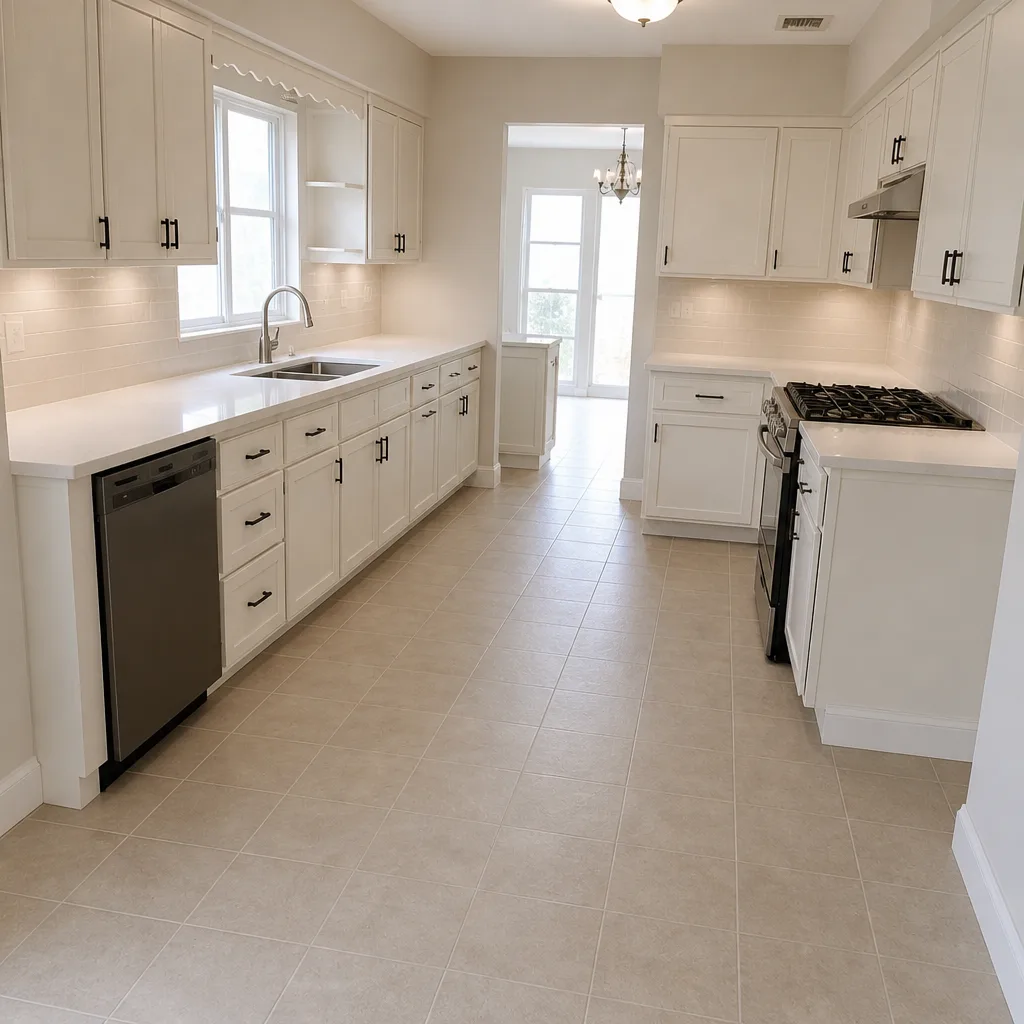 After
 Before
 After
 Before
 After
When to Call a Professional
Call a professional when the work touches the plumbing or electrical rough-in, when it goes behind a wall or under a tile, when it involves the shower pan or membrane, or when it requires a permit in Plano. Those aren’t skill judgments. They’re the categories where a wrong call costs thousands to unwind and the repair surfaces months later. The safe DIY zone is paint, hardware, mirrors, and accessories; the moment you cross into the rough-in or the wet area, the dollar risk flips and hiring it out is the cheaper decision. Rowan Construction Group Plano offers free estimates in Plano. Call (844) 761-8346 to schedule yours, and bring any written estimate you’ve already got for a free second opinion, reviewed line by line.
Frequently Asked Questions
Painting, hardware swaps, vanity mirror replacement, and accessory installation are all safe to DIY with no permit and no moisture risk. They save $1,300 to $3,000 across a typical bathroom. Anything touching the plumbing or electrical rough-in or the shower waterproofing should go to a licensed trade.
Yes, for plumbing and electrical rough-in, and for any structural or footprint change. Cosmetic work like paint, like-for-like fixture swaps, and tile over existing tile doesn’t need one. Plano and Collin County require a licensed trade and an inspection whenever a permit is pulled.
Typically $4,000 to $9,000 in subfloor, framing, and tile replacement, and it usually surfaces 18 months to two years after the install. The membrane itself costs under $200 in materials. The gap between those two numbers is why waterproofing is a hire-it-out item. Call (844) 761-8346 for a free estimate on doing it right the first time.
Yes, on your own home, and it’s not a loophole. The catch is the disclosure obligation at resale and the buyer’s inspection flag, which often costs more in negotiation than the permit ever saved. Contractor-permitted work keeps the record clean, which matters when you sell.
It shouldn’t, if you have a written scope and a flat written price and no work proceeds on a change until the change order is signed. That’s our standing policy under the Haven Standard. Bring any written estimate to us and we’ll review it line by line at no charge before you commit.
Yes, and it’s the smartest play for a confident DIYer. Hire the permit-required rough-in and the shower membrane, pass the in-progress inspection, then reclaim the painting, tile in dry areas, hardware, and mirrors. This split saves $2,000 to $4,500 off a full-turnkey Plano bathroom while keeping every permit and moisture system intact.
The Bottom Line
The line in bathroom remodeling isn’t skill. It’s permit exposure and moisture systems. Paint your vanity and swap your hardware and save real money. Hire out the plumbing and electrical rough-in, the shower pan and membrane, and the subfloor repair, because the repair cost on those runs two to three times the labor you’d save. The hybrid project is the sweet spot: licensed trades on the permit-required and wet-area work, homeowner labor on the finish after inspection passes. Draw the line by dollar risk, get the price in writing, and keep the record clean for resale. That’s the whole decision, and it holds in Plano as well as anywhere.
Call Rowan Construction Group Plano at (844) 761-8346 for a free estimate. Every quote is a flat written price with a written scope and a written warranty before any work starts, backed by the 365-Day Done Right Promise. Bring any existing written estimate for a free second opinion, reviewed line by line. Our technicians have up to 19 years of experience, crews are background-checked and uniformed, and a live person answers calls 24/7.
Written by the team at Rowan Construction Group Plano.