Last updated November 18, 2026

Free written scope consultation - allowances, timeline, and change-order rules on paper before a single trade is scheduled
Construction Permits, Codes & Inspections in TX: What You Need to Know
Texas adopted the 2021 International Residential Code as its statewide baseline, but that adoption is only the first layer. Plano has filed its own local amendments on top, and those amendments change real numbers: energy efficiency thresholds, setback distances, bracing requirements for wind zones. They aren’t printed in the state code and homeowners are almost never told about them. A crew that passed inspection in Dallas last month can build a non-compliant wall in Plano this week, and the failure lands on your property record. This guide walks through the code books in force, the permit process at Plano Development Services, how the three main inspections differ, and what unpermitted work actually costs at resale.
Quick Answer
Residential construction in Texas is governed by the 2021 IBC and IRC, the 2020 NEC for electrical, and any local amendments adopted by the city with jurisdiction. In Plano, that means the state baseline plus Plano’s own amendments, pulled and inspected through Plano Development Services at City Hall, with a Certificate of Occupancy required before you can legally occupy a new or substantially altered dwelling. Repairs under $500 are typically exempt; structural, electrical, plumbing, and mechanical work almost always require a permit regardless of cost.
Styles & brands we work with
- Kitchen remodeling
- Bathroom remodeling
- Home additions & ADU
- Roofing
- Windows & doors
- Driveway & pavers
- Fence
Table of Contents
- Which Code Books Actually Govern Your Project in Plano
- The Plano Permit Application, Step by Step
- What’s Exempt and What Always Requires a Permit
- Rough, Framing, and Final: What Each Inspection Demands
- What Unpermitted Work Costs at Resale
- Certificate of Occupancy vs. Certificate of Completion
- Common Mistakes to Avoid
- Frequently Asked Questions
Which Code Books Actually Govern Your Project in Plano
Texas doesn’t write its own building code. It adopts model codes by reference, and the Texas Department of Licensing and Regulation administers the industrial and commercial side while municipalities administer residential construction locally. In practice, that means Plano enforces four code families for most residential work, and each one is a separate document a contractor has to actually open.
- International Residential Code (IRC) 2021 – the base book for one- and two-family dwellings and townhouses up to three stories. Governs framing, foundation, roof, wall bracing, and energy provisions. Download from the International Code Council (ICC) at iccsafe.org.
- International Building Code (IBC) 2021 – applies to ADUs permitted as separate dwellings, multi-family, and any structure that crosses the residential threshold. Also ICC.
- National Electrical Code (NEC) 2020 – Texas adopts the 2020 edition, not the 2023. This matters for anything involving service panels, EV chargers, and solar tie-ins. Download through the National Fire Protection Association at nfpa.org.
- Plano’s locally adopted amendments – layered on top of all three. Plano amends the IRC for local conditions including wind bracing (North Texas sits in a 90 mph basic wind speed zone and Plano has stricter criteria for certain structures), energy efficiency, and specific setback and easement rules. These are published in the Plano City Code, Chapter 6 (Buildings and Building Regulations), and available through the city’s Development Services page at plano.gov.
Our technicians have up to 19 years of experience and the recurring lesson from those years is consistent: the amendment layer is where projects fail. A contractor reading only the IRC misses Plano’s local energy provisions. A contractor who pulled correctly in another North Texas city may have read a different amendment set. The only reliable approach is to pull the Plano amendments for your specific scope before the first permit is filed.
The Plano Permit Application, Step by Step
Plano Development Services handles residential permits through its Building Inspections division, and the workflow is now largely digital through the city’s online permitting portal. Most homeowners don’t touch the portal; their contractor does. But you should know the steps so you can verify the permit exists and is in your name.
- Confirm the scope and trade. Decide whether the project is a repair, an alteration, or new construction. Each has a different permit application type and different plan review requirements.
- Assemble the submittal package. For anything structural or that changes square footage, you’ll need a site plan, floor plan, elevation, and engineer’s letter for any beam, header, or foundation exception. Simple trade permits (water heater swap, panel change) need far less.
- Submit through the online portal or at the permit counter. Plano’s Development Services is at the Municipal Center on K Avenue. Plan review timelines vary by project complexity; simple trade permits are frequently approved within a few business days, while structural and ADU projects can take several weeks.
- Pay the permit fee. Fees are based on valuation (the declared construction cost), not on square footage alone. The fee table is published on plano.gov and updates each fiscal year.
- Post the permit card at the job site. Inspectors will not look at the work without the printed card and an accessible site.
- Schedule inspections as the work progresses. Rough, framing, and final are the three most common checkpoints. Skip one and the next one fails automatically.
- Close out the permit. A permit isn’t “done” until it’s closed in the system. An open permit is a red flag on title even when the work itself is fine.
If your project also touches landscaping or hardscape – a new driveway, for example – start with our Driveway & Pavers in Plano guide on how hardscape scopes interact with the right-of-way permit that Plano requires separately from the building permit.
What’s Exempt and What Always Requires a Permit
The single most common misconception in Plano is that “small” means “exempt.” It doesn’t. The threshold exists, but it’s narrow, and several categories override it entirely.
Typically exempt:
- Cosmetic repairs: paint, flooring, drywall patching, cabinet refacing.
- Repairs under $500 in total value that don’t alter structure, electrical, plumbing, or mechanical systems.
- Fence replacement in the same footprint, in most cases, though fence height and location relative to easements still matter. Our Fence Installation in Plano page covers the specific fence rules Plano enforces.
- Replacing a faucet, toilet, or lighting fixture with a like-for-like swap at the same location.
Always requires a permit, regardless of cost:
- Any wall removal, addition, or relocation – even a “non-load-bearing” wall, because only an inspector confirms that.
- Electrical service changes, panel replacements, or new circuits.
- Water heater replacements in Plano (yes, even same-size swaps).
- Any structural work: beams, headers, foundation repair, roof decking replacement.
- Anything that adds conditioned square footage, including an in-law suite or ADU. Our Home Additions & ADU in Plano guide walks through the separate ADU permitting track.
- Sheds above the city’s size threshold, whether built from scratch or assembled from a kit like a Tuff Shed unit.
If your scope falls into the gray zone, a five-minute call to Development Services beats a failed inspection six weeks later. And when the project is a full remodel, bring the scope to us – Rowan Construction Group delivers a written price before any work starts, under Clause 1 of the Haven Standard, so you know the permit-inclusive cost up front.
Rough, Framing, and Final: What Each Inspection Demands
Plano inspectors work to a defined checklist at each stage, and the same three inspections trip up the same three sets of contractors on almost every project. Here’s what each one demands.
Rough inspection
Called “rough-in,” this happens after framing is up but before insulation and drywall go on. The inspector is looking at the systems inside the walls: electrical wiring paths, box locations and depths, plumbing supply and drain routing, gas line pressure testing, and HVAC duct runs. What must be ready: all wiring visible and stapled at the required intervals, all boxes mounted, plumbing rough tested and capped, gas lines pressure-tested with the gauge visible to the inspector. If anything is concealed behind sheathing or insulation, the inspector can’t verify it and the inspection fails.
Framing inspection
Sometimes combined with rough, sometimes separate. The inspector verifies structural framing against the stamped plans: stud spacing, header sizes, joist spans, and – this is the Plano-specific part – the wind bracing and shear panel nailing pattern required by the local amendments. Nail schedules matter here. A 6-inch nail pattern where the plan calls for 4-inch is a failure, full stop. Missed nailing on a shear panel isn’t cosmetic; it’s a structural compliance issue the inspector has to see corrected before close-in.
Final inspection
After drywall, finish, and trim are complete. The inspector checks that the final state matches the permitted plans: fixture counts, GFCI locations, smoke and CO detector placement, egress windows in bedrooms, and that all prior inspection corrections were made. A missing CO detector on a bedroom hallway is a common trip-up in Plano.
What a failed inspection costs: Plano charges re-inspection fees per visit, and the fee schedule is published on plano.gov. Beyond the fee, the real cost is time – crews held up waiting for the next inspection slot, drywall delayed, appliances sitting in boxes. A first-pass inspection record is one of the things a strong contractor shows you before you hire them.
What Unpermitted Work Costs at Resale
Title companies and lenders are stricter about permit history than they were a decade ago. When you sell a Plano home, the buyer’s lender will often request a permit history from the city, and an open permit or an unpermitted addition surfaces in that report. What happens next is rarely cheap.
- Retroactive permitting. You have to apply for the permit after the fact, and Plano can require opening walls for inspection to confirm what’s behind them.
- Correction costs. Work built to the wrong code, wrong amendment, or wrong footprint often has to be brought up to current standards, which is occasionally cheaper to demolish and rebuild than to correct.
- Delay at closing. Buyers walk when they can’t finance. A sale that hangs for sixty days on a permit is expensive in its own right.
- Reduced appraisal value. An appraiser will not count unpermitted square footage toward the home’s living area in most cases, and the gap between “4 bed / 3 bath” and “3 bed / 3 bath plus unpermitted bonus room” can be significant.
In our experience across North Texas, retroactive permit and correction costs on an unpermitted addition frequently exceed the original work’s cost by a wide margin. The math favors getting the permit right the first time.
Certificate of Occupancy vs. Certificate of Completion
These two documents sound similar and aren’t. Getting the right one matters most when you’re financing through a construction loan.
A Certificate of Occupancy (CO) is the city’s written acknowledgment that a structure is legally safe to occupy under the permitted scope. Plano issues a CO for new construction and for any substantial alteration that changes the use or occupancy of the building. You cannot legally move into a new home in Plano without one. A construction lender will require the CO as the condition for releasing the final draw.
A Certificate of Completion (CC) is a smaller document that closes out a specific permitted scope of trade work – a re-roof, a panel change, a mechanical replacement – that doesn’t create new occupancy. The CC confirms the work was inspected and closed. It does not authorize occupancy.
For a home addition that adds a bedroom, you generally need a CO for the whole structure once the addition is complete. For a re-roof, you need a CC. Mixing these up is a common reason a construction loan stalls at the final draw: the lender asked for a CO, the contractor delivered a CC, and the paperwork bounces.
Common Mistakes to Avoid
- Reading the IRC and skipping Plano’s amendments. The state code is the baseline, not the full rulebook. Plano’s amendments on wind bracing, energy, and setbacks override the state numbers in specific cases.
- Trusting a “non-load-bearing” wall call from a contractor. Only the inspector verifies this. If a wall comes down without a permit, the fact that it turned out to be non-load-bearing doesn’t save you – the permit was still required.
- Assuming the price threshold covers the scope. A $400 faucet swap is exempt; a $400 portion of a $40,000 remodel is not. The exemption applies to the total scope, not the line item.
- Letting a permit sit open after the work is done. Plano doesn’t close permits automatically. An open permit stays on the property’s record and surfaces at title.
- Starting work before plan review comes back. Plano permits require an approved plan before work starts. Starting early means the inspection fails before it begins.
- Missing the re-inspection fee cycle. Each return visit is a new fee. Two failed inspections usually cost more than a slightly slower first attempt.
- Confusing the CC with the CO at the lender’s desk. Construction loans require a CO for occupancy-changing scopes. Delivering a CC stalls the final draw.
When to Call a Professional
Anything that touches structure, electrical service, gas, plumbing rough, or square footage is a where-you-call-someone moment. That includes beam and header work, foundation repair, panel or service changes, roof decking and full replacements (not a patch, but a full tear-off with new underlayment), and every addition from a bump-out to a full ADU. The amendment layer adds to this: a contractor who doesn’t know Plano’s local wind bracing and energy rules can build work that passes inspection in another city and fails here.
Rowan Construction Group Plano offers free estimates in Plano. Our quotes are written before any work starts, we pull and close the permits on every project, and our Free Second Opinion service reviews any competitor’s written estimate line by line at no charge. Call (844) 761-8346 to schedule yours. If you want to see how our trades fit together before you call, start at the Rowan Construction Group Plano home page.
Frequently Asked Questions
It depends on the scope, not the price tag alone. Cosmetic work and repairs under $500 total are typically exempt, but any electrical, plumbing, mechanical, or structural work requires a permit even when the cost is small. Water heater replacements, panel changes, and any wall removal always need a permit in Plano. Call (844) 761-8346 for a free estimate that includes the permit cost in writing.
Plano enforces the 2021 International Residential Code as amended locally, plus the 2021 International Building Code for non-single-family scopes and the 2020 National Electrical Code for electrical work. The amendments published in Plano City Code Chapter 6 override the state baseline in the specific areas they address, most notably wind bracing, energy efficiency, and setbacks. Every written Rowan quote references the code and amendment set that applies to your scope.
You can’t. Permits must be pulled by the city with jurisdiction over the property address. A Plano address requires a Plano permit, and Plano inspections are conducted by Plano inspectors. A contractor who tells you they can pull elsewhere is telling you the work will be unpermitted. Call (844) 761-8346 to confirm permit coverage in your quote.
Plano charges a re-inspection fee per return visit, and the fee schedule is published on the city’s Development Services page. Beyond the fee itself, the bigger cost is schedule delay – crews held for the next slot, drywall pushed, appliances stacked in the garage. Our quotes are built around first-pass inspection because that’s the cheapest path for the homeowner. Call (844) 761-8346 for a free estimate.
For any addition that changes the occupancy of the structure – a new bedroom, an ADU, a finished bonus room – yes, the project closes with a CO. For a trade-only scope like a re-roof or a panel change, a Certificate of Completion closes out the permit. Construction lenders release the final draw on a CO, so the distinction matters on anything you’re financing.
Wind bracing and shear panel nailing are the amendments to watch in Plano. North Texas sits in a higher basic wind speed zone than much of the state, and Plano amends the IRC to require specific nailing patterns and bracing details on structures that a contractor from outside the area may not build to by default. If you’re adding on – even a small bump-out – ask your contractor to show you the Plano amendment for bracing on their plans. Call (844) 761-8346 with questions on any scope.
The Bottom Line

Texas residential construction runs on a layered code system: the 2021 IBC and IRC and the 2020 NEC as the baseline, with each city’s amendments sitting on top. In Plano, that means Plano-specific rules on wind bracing, energy, and setbacks that don’t show up in the state code, permits pulled through Plano Development Services, and inspections at rough, framing, and final that fail on specific, checkable details. The three things that trip people up most are the amendment layer, the narrow exemption threshold, and the CO/CC distinction at the lender’s desk. Get those right and the rest of the process runs as it should – documented, closed, and clean at resale.
Rowan Construction Group Plano operates across seven trades under the Haven Standard, with written prices before any work starts, permits pulled and closed on every project, and the 365-Day Done Right Promise backing the work. Our technicians have up to 19 years of experience, and we use vetted materials like James Hardie siding and KraftMaid cabinetry where the scope calls for them. Call (844) 761-8346 for a free estimate in Plano – we’ll put the permit and code path in writing before anyone picks up a tool.
Written by the team at Rowan Construction Group Plano.
See the difference
 Before
 After
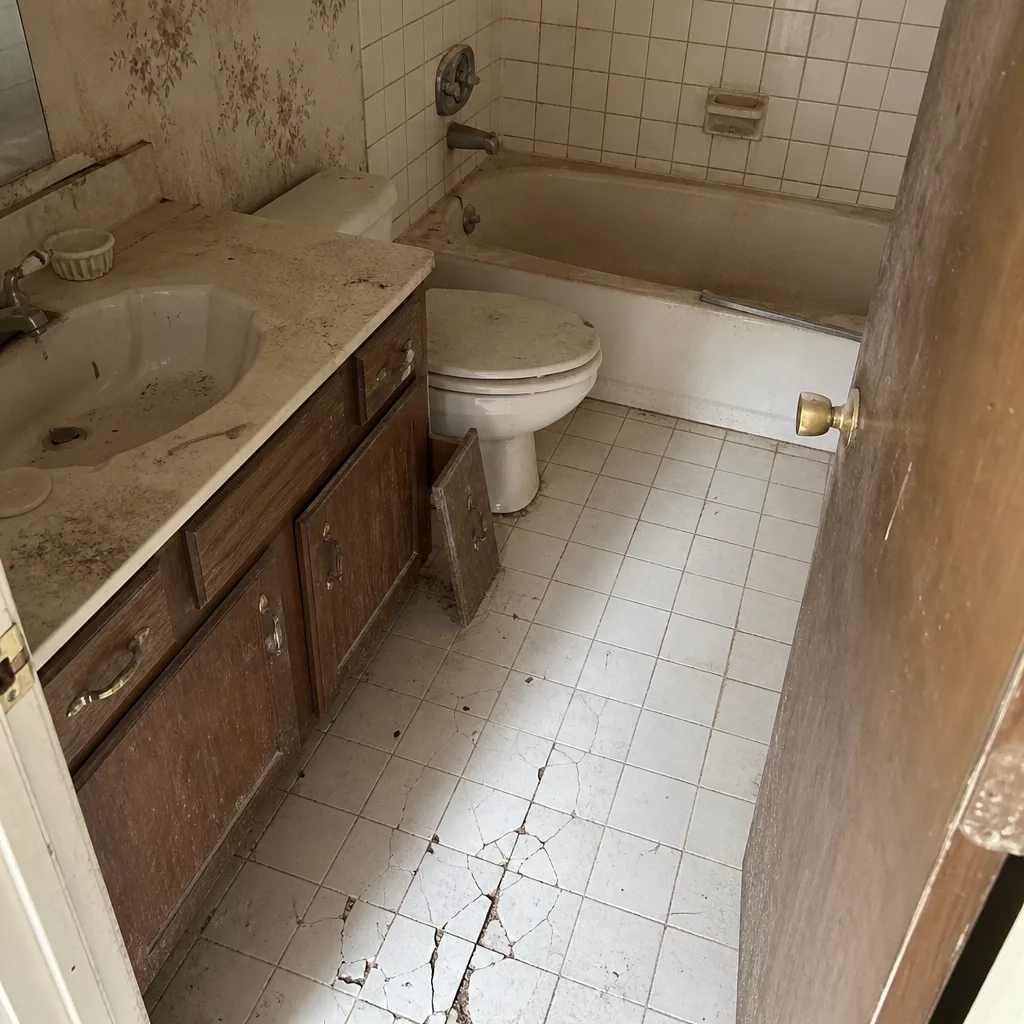 Before
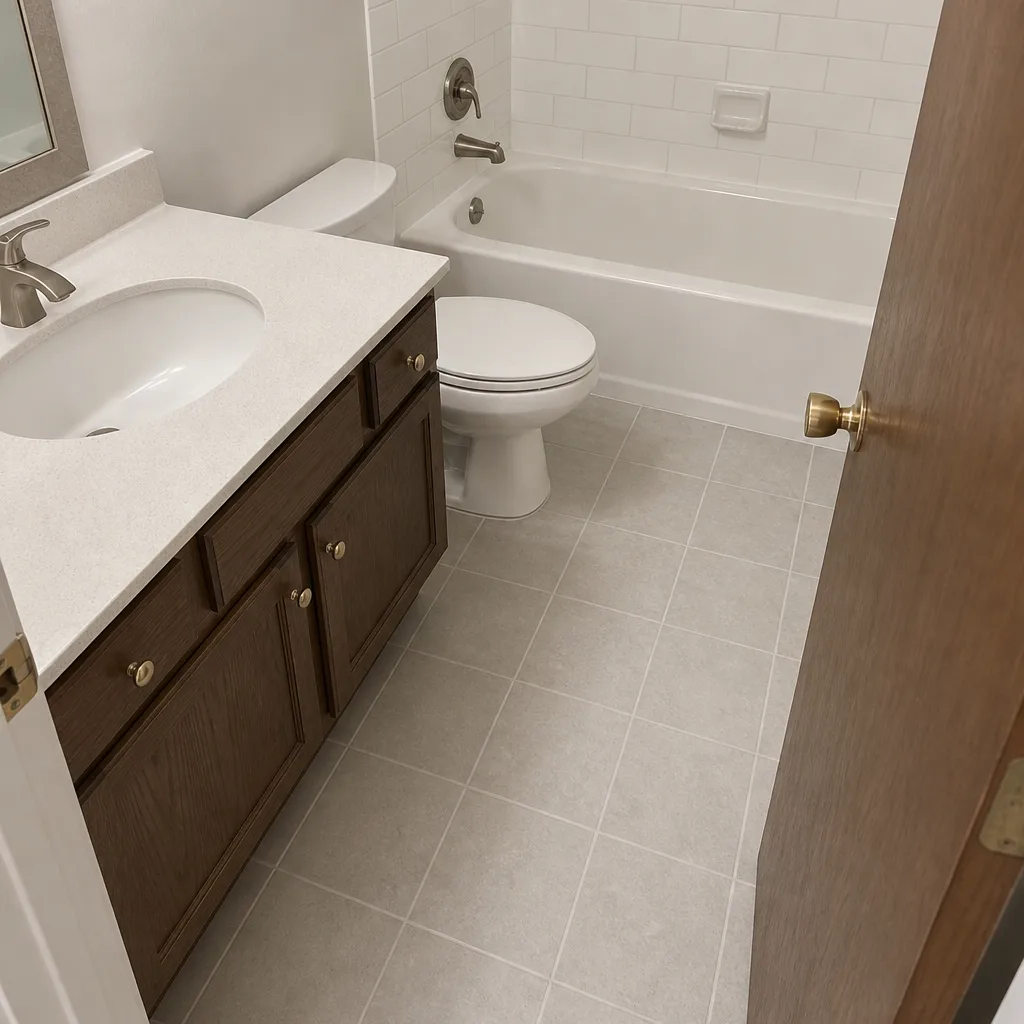 After
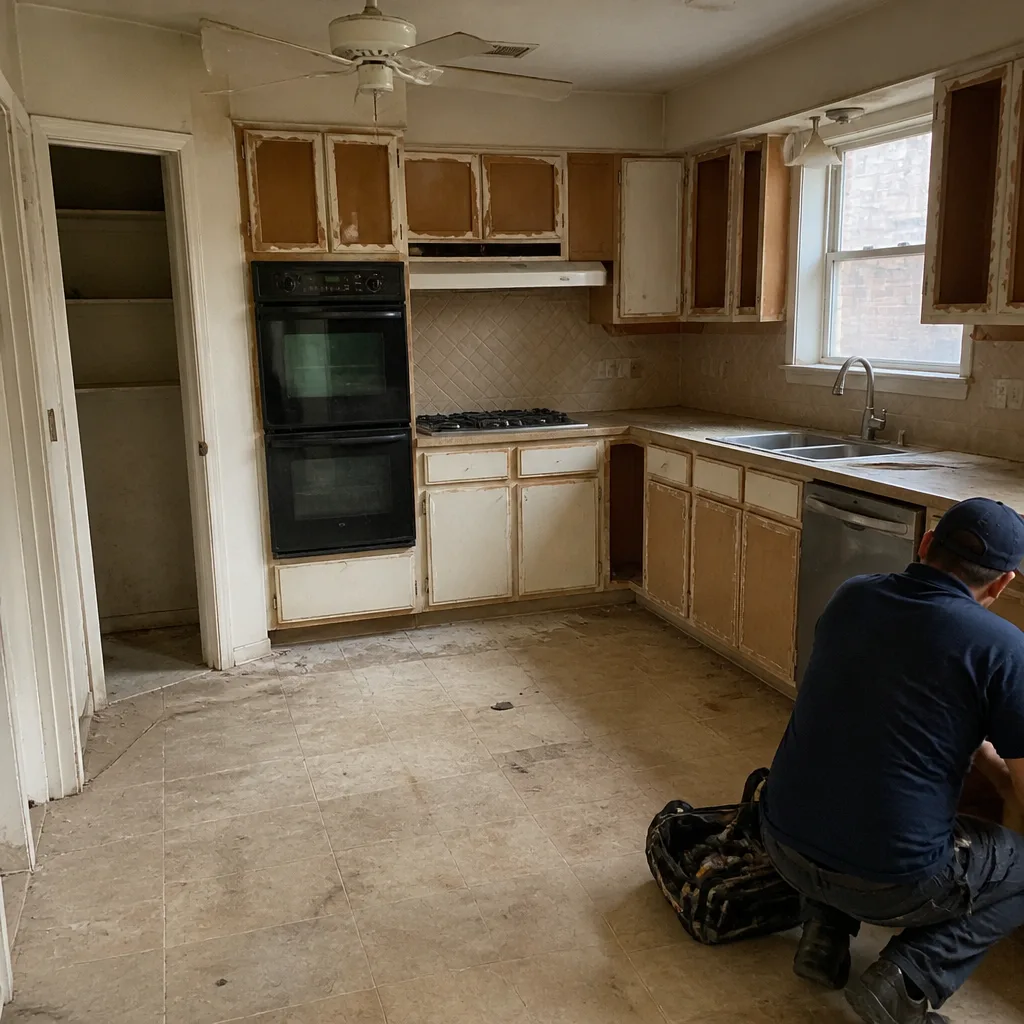 Before
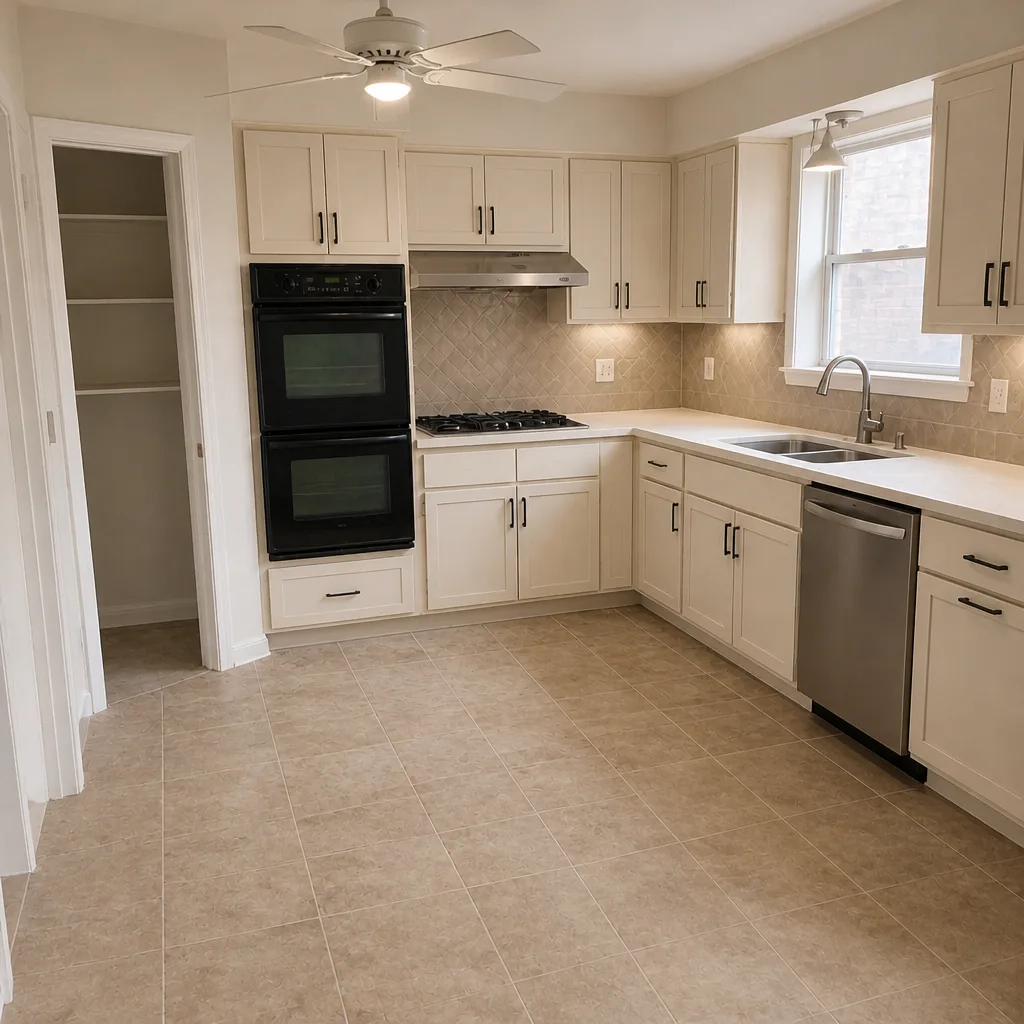 After