Last updated November 18, 2026


Free written scope consultation - allowances, timeline, and change-order rules on paper before a single trade is scheduled
Seasonal Construction Care for Plano: Year-Round Homeowner’s Guide
Plano recorded 32 days above 100°F in a recent summer, and concrete flatwork that wasn’t cured with a curing compound during installation can lose up to 40% of its design strength in that kind of sustained heat. The failure doesn’t announce itself. It shows up two to three years later as surface scaling and hairline map cracking, long after the contractor’s trailer has left the driveway. That single fact explains why a generic four-season maintenance checklist wastes your weekends here. Plano’s construction year runs on two stress windows (summer heat, winter freeze-thaw) and two maintenance windows (spring inspection, fall drainage prep). This guide walks through all four, with the products, prices, and inspection patterns that actually matter in Plano.
Quick Answer
Seasonal construction care in Plano works best on a two-stress, two-maintenance rhythm: inspect concrete, roofing, and caulk joints during the February – March freeze-thaw thaw-out, prep drainage and exterior wood in May – June before the heat arrives, protect ongoing work from extreme heat in July – August, clear and grade for drainage in October – November, and winterize exterior systems in December – January. Skip the summer stress window and you’ll see the damage in year three, not year one.
Styles & brands we work with
- Kitchen remodeling
- Bathroom remodeling
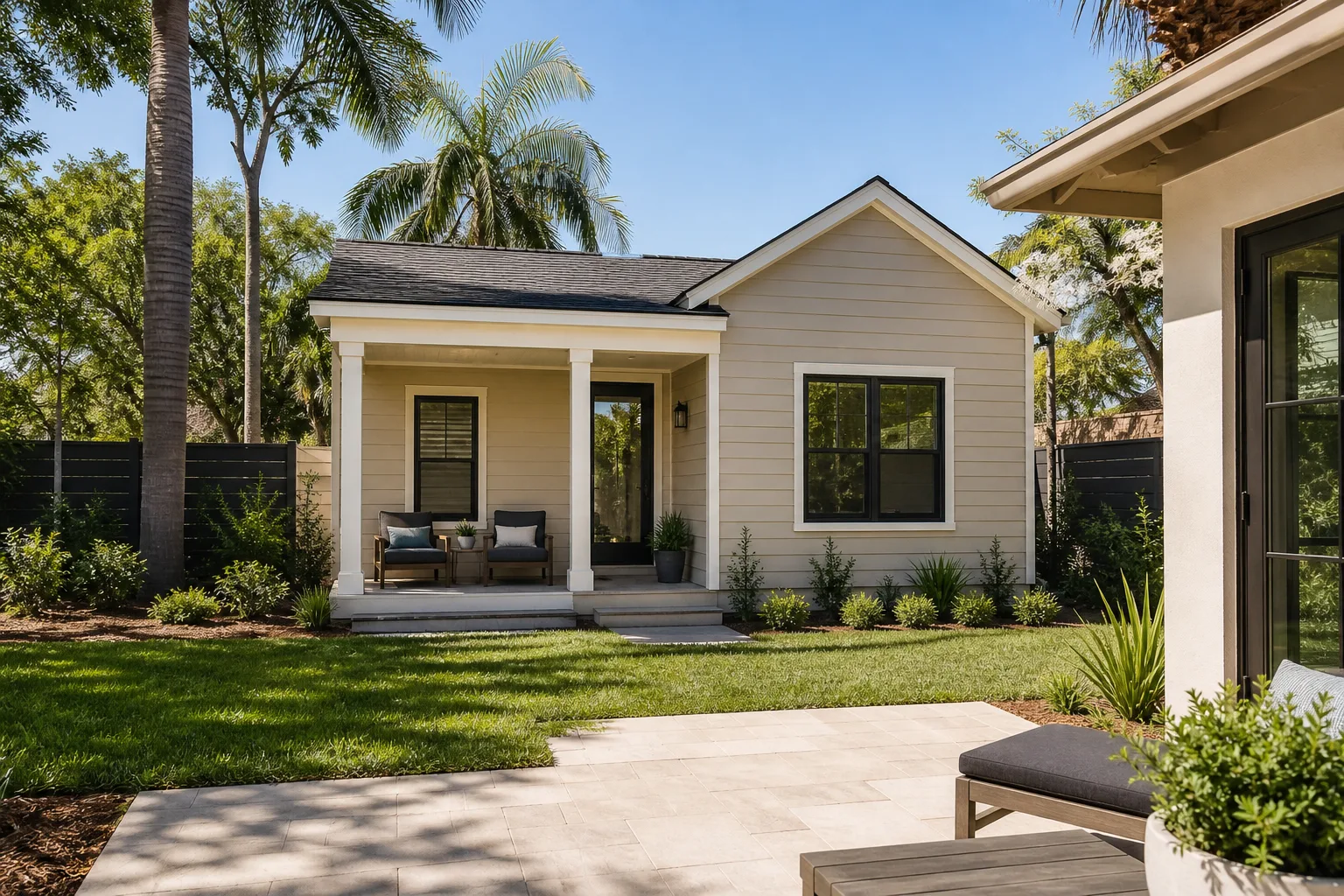
- Home additions & ADU
- Roofing
- Windows & doors
- Driveway & pavers
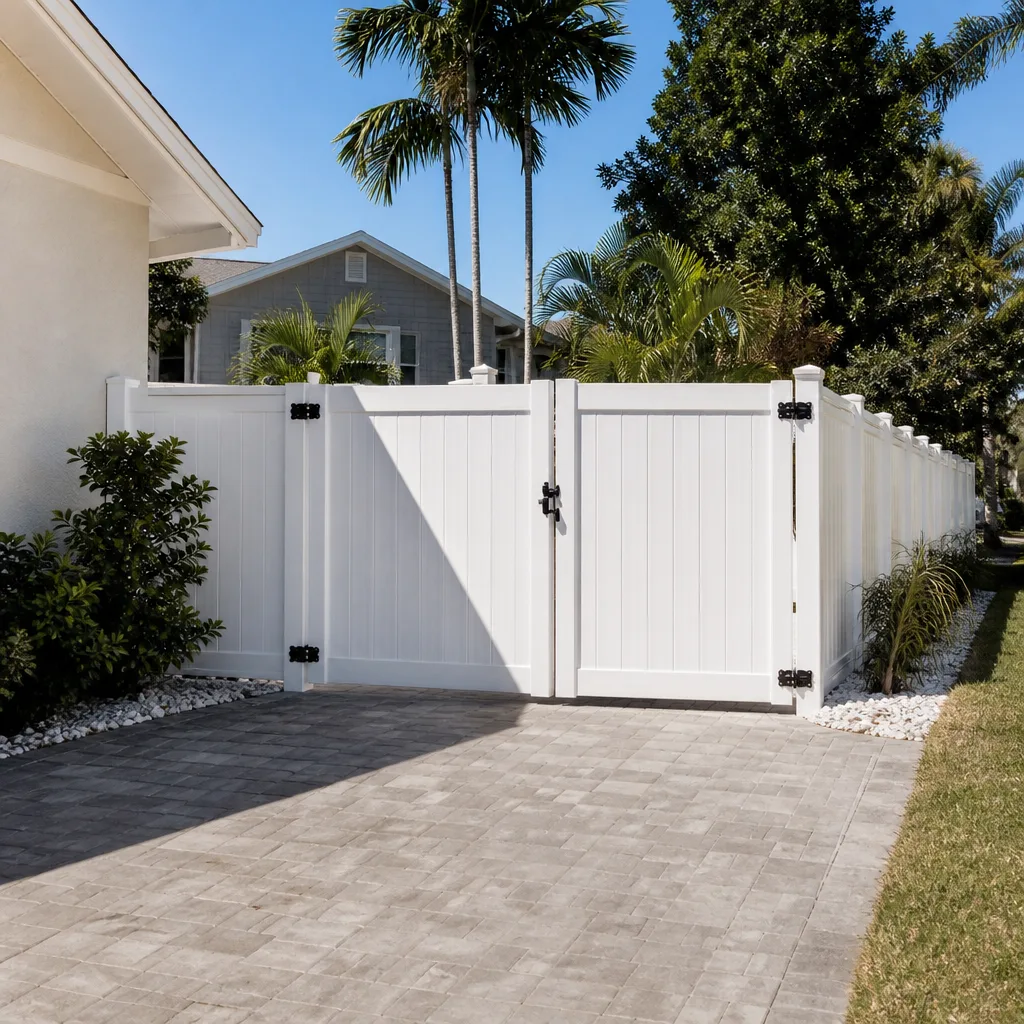
- Fence
Table of Contents
- Why Plano’s Climate Resists a Four-Season Calendar
- February – March: The Freeze-Thaw Inspection Window
- May – June: Pre-Summer Prep for Roofing, Caulk, and Exterior Wood
- July – August: Building Through 100°F Heat
- October – November: Drainage, Grading, and the Fall Rain Season
- December – January: Winterizing Exterior Systems
- Common Mistakes to Avoid
- When to Call a Professional
Why Plano’s Climate Resists a Four-Season Calendar
Plano sits in USDA Zone 8a, on the western edge of the Blackland Prairie. That means alkaline clay soils with a high shrink-swell coefficient, and a climate that swings from 105°F July afternoons to single-digit February nights within a single year. Materials installed here have to survive both extremes, and they fail differently in each.
The mistake most homeowners make is treating spring and fall as the only real seasons for exterior work. In Plano they’re the maintenance windows, not the stress windows. Stress happens in the heat and in the freeze. Maintenance is what you do before each one lands.
- Stress window one: July – August sustained heat. Concrete curing failures, paint film breakdown, caulk shrinkage, and UV degradation of exposed wood all occur here.
- Stress window two: December – February freeze-thaw. Soil heave under flatwork, expansion joint failure in masonry, and burst exterior plumbing all occur here.
- Maintenance window one: February – March thaw-out. You’re assessing what the freeze did.
- Maintenance window two: October – November pre-rain. You’re moving water away before the fall storms and grading for winter.
If you’re planning any exterior project, from driveway and pavers in Plano to a new roof, the calendar below tells you when the ground and the weather will cooperate with the build. Our technicians have up to 19 years of experience watching how these cycles play out across Plano neighborhoods like Willow Bend, Deerfield, and the older streets around downtown. The patterns are consistent.
February – March: The Freeze-Thaw Inspection Window
February and March are when Plano’s clay soils finish their winter heave and crack patterns show up in flatwork. What you’re looking for isn’t any single crack. It’s the pattern.
Map cracking is a web of fine, interconnected cracks across the surface of a slab, driveway, or sidewalk. On a slab more than three years old it usually means the surface layer was overworked during finishing or under-cured during a hot pour. It’s cosmetic in most cases and doesn’t signal sub-base failure. Aesthetic repair or a thin overlay resolves it.
Linear cracking (a single crack running continuously across the slab, often through the middle) points to something different. On a driveway or patio, a linear crack that follows the same path year after year is a soil movement signal. It often means the slab is moving as a unit because the sub-base underneath lacks proper compaction or the control joints were cut too shallow. Linear cracks wider than 1/4 inch, or ones with vertical offset (one side higher than the other), need a professional look.
Here’s the inspection sequence we recommend every Plano homeowner run in early March:
- Walk the perimeter of every slab. Note crack width with a tape measure, not eyeball.
- Check that expansion joints (the felt or foam strips between slabs) are still flush and haven’t pushed up. Pushed-up joints mean movement.
- Look at the sill plate (the wood where the house meets the foundation) for moisture staining.
- Inspect exterior caulk joints at all window and door frames. Any gap larger than 1/8 inch on a freeze-thaw cycle will leak.
- Open the crawlspace or slab access, if any, and smell for moisture. Plano’s clay soils hold water against foundations longer than sandy soil.
Under the Haven Standard, every visit we make includes a documented photo record as a standard deliverable, not an upgrade. When we inspect a Plano home in March, you get the photos whether you hire us for the repair or not.
May – June: Pre-Summer Prep for Roofing, Caulk, and Exterior Wood
May and June are the last comfortable working window before Plano’s sustained heat arrives. This is when you inspect the roof, replace failing caulk, and seal exterior wood before UV exposure does its work.
Roof inspection
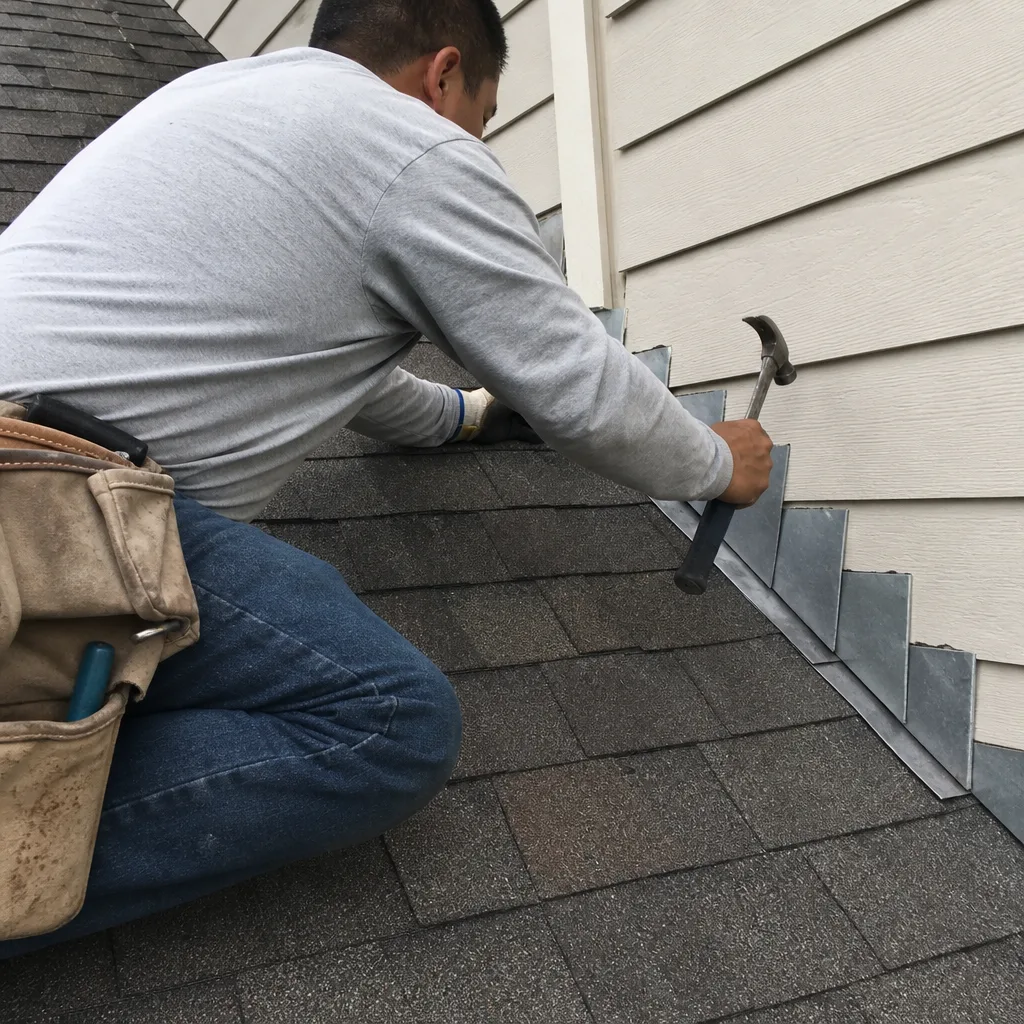
Walk the perimeter at ground level with binoculars. Look for lifted or curled shingles, granule loss (check the gutters for grit buildup), and dark streaks that indicate algae. On a GAF or Owens Corning architectural shingle roof, expected service life in Plano is 18 – 22 years if the attic is vented properly and 14 – 16 if it isn’t. If your roof is in that window, a pre-summer inspection is worth the call. We’d rather see it in May than after a July hailstorm.
Caulk joints
Plano’s UV index runs high from May through September. Standard painter’s caulk fails within 12 – 18 months in that exposure. What actually holds up here:
- Sikaflex 1a (polyurethane, UV-rated, ~$12/tube): correct choice for expansion joints, window and door frames, and any joint that sees direct sun. Cures flexible and stays that way through thermal cycling.
- Sika SikaSil or DAP 3.0 (siliconized acrylic, ~$8 – $10/tube): acceptable for painted trim joints where a joint will be recoated within two years.
- Backer rod (closed-cell polyethylene foam, ~$6 – $10 for a 20-foot coil): required as the substrate inside any joint wider than 1/4 inch. Sealant applied over a void without backer rod will fail in one season.
Exterior wood
Any bare or previously stained exterior wood (fence rails, deck boards, fascia) should be sealed in late May, not mid-summer. Alkyd or oil-based penetrating stain applied while the wood moisture content is under 15% will absorb correctly. Applied to sun-baked wood it sits on the surface and peels within one summer. A moisture meter runs about $25 at any hardware store and is worth owning. If a fence has cracks and rails pulling away, our fence installation in Plano team can give you a written assessment of whether repair or replacement is the better path.
July – August: Building Through 100°F Heat
Plano averages roughly 20 – 30 days above 100°F in July and August, and construction crews who don’t adjust to that pay for it with failed materials. If you have an active project on your property (an addition, an ADU, a re-roof) this is the window where scheduling decisions have real consequences.
Concrete pour scheduling
Concrete placed in Texas heat needs evaporative protection. On days when ambient temperature exceeds 95°F, pours should be scheduled before 10 a.m. or after 4 p.m. and should use a curing compound (typically a resin-based membrane, about $30 – $45 per gallon, covering roughly 200 square feet). Without a curing compound, accelerated moisture loss during placement causes the surface layer to cure at a different rate than the core. The result is scaling, dusting, and shortened service life.
Exterior painting
Standard latex exterior paint applied in 100°F heat and direct sun flashes (dries before it can level), leaving brush marks and lap lines with poor adhesion. Two product categories handle Texas summer:
- Elastomeric paint (Sherwin-Williams Loxon, or similar): bridges hairline cracks in masonry, tolerates application up to 110°F, and typically resists blistering that standard paint won’t.
- 100% acrylic top-line exterior paints (Sherwin-Williams Duration, Benjamin Moore Aura): acceptable in heat if the surface is shaded at application and the air temperature is under 95°F. If your painter is showing up at 1 p.m. in August with a spray rig, ask them which paint they’re using.
Roofing
Asphalt shingles are more pliable and less prone to cracking in cooler weather. Installers in Plano can work in July but need to hand-seal tabs on any day above 100°F or store shingles under shade before going up. If a roofer pushes a July install with no mention of hand-sealing, that’s worth a pause.
October – November: Drainage, Grading, and the Fall Rain Season
Plano gets roughly 36 – 40 inches of rain per year, and most of the fall portion lands between October and November. That’s when drainage problems turn into foundation problems on clay soil. This is the most important window of the year for Plano homeowners, and it’s the one most people skip.
Positive drainage measurement
Positive drainage means the soil surface falls away from the foundation. Standard minimum: 6 inches of fall over the first 10 feet away from the house. Flat or negative slope lets water pool against the foundation, which is the leading contributor to the clay soil heave that cracks slabs and moves piers.
Here’s how to measure it:
- Drive a stake into the soil directly against the foundation. Mark 6 inches above the ground on the stake.
- Run a string line level from the stake to a second stake 10 feet away (use a line level or a laser).
- Measure the drop against the second stake. If the ground at 10 feet is below the 6-inch mark, you have positive drainage. If it’s above, or level, water will pool.
Pre-rain checklist
- Clear all gutters and downspouts of leaf litter and shingle grit. Every downspout should discharge at least 4 feet from the foundation.
- Inspect French drains and surface drains. Run water through them with a garden hose for 60 seconds and confirm the outlet end has flow.
- Look for any standing water after the first heavy rain. Note where it sits and how long. More than 24 hours means a grading issue.
- Check that the soil level against the foundation is not buried above the bottom of the brick or siding. Soil above the brick line wicks moisture in.
If the grading or drainage needs correction, a paved solution like a drainage swale under driveway and pavers in Plano can carry water away without becoming a mud channel. Belgard and Techo-Bloc both make permeable paver lines that work for this. We quote flat prices before any work starts, in writing.
December – January: Winterizing Exterior Systems
Plano’s winter isn’t long, but it’s the one that does the most rapid damage when a freeze event hits (as February 2021 proved across the metroplex). Two consecutive nights at 15°F will split a hose bib, crack a pool pump housing, and freeze an irrigation backflow preventer that wasn’t drained. The work you do in December prevents the failure in February.
Winterizing exterior water
- Shut off and drain all exterior hose bibs. On anti-siphon bibs (the type with a screw fitting on top) loosen the screw cap and let it drain, then close it.
- Drain the irrigation backflow preventer per manufacturer instructions, or have the system blown out by a licensed irrigation contractor in November.
- Pool equipment: shut off pumps, drain filter housings, or run through cold nights. A pool pump freeze can be a $700 – $1,200 repair.
- Disconnect exterior water features (fountains, ponds) from power and drain.
Masonry expansion joints
Brick and stone walls in Plano expand and contract on freeze-thaw cycles. The expansion joint filler (typically closed-cell foam backer rod or manufactured expansion strips) degrades from UV exposure in a predictable way. In December, walk the exterior masonry walls and look for:
- Any joint where the sealant is cracked or missing. Refill with Sikaflex 1a over backer rod, not surface-applied caulk.
- Spalling on brick faces (the face of the brick crumbling or flaking off). Spalling signals moisture trapped inside the wall and freeze damage already happening.
- Weep holes at the bottom of the first brick course. Any that are plugged need to be cleared. They’re the drainage path for the wall cavity.
The same products that go into Plano-area commercial construction (foam backer rod and UV-rated polyurethane sealant) apply to residential masonry here. There’s no residential-grade substitute.
Common Mistakes to Avoid
- Judging crack severity by width alone. A 1/8-inch crack running perfectly linear across a driveway matters more than a 1/4-inch crack at an expansion joint. The pattern tells you more than the dimension.
- Sealing exterior wood in July or August. Sun-baked wood won’t absorb stain properly. The sealant sits on the surface and peels in the next summer’s heat. Late May or early October is the correct window in Plano.
- Skipping the Oct – Nov drainage measurement. This is the step most Plano homeowners omit, and it’s the one with the largest downstream cost. Money spent on grading and drainage saves multiples of that on foundation repair.
- Pouring concrete after 10 a.m. in August without a curing compound. The pour will look fine for two years and then scale. Ask your contractor directly about curing compound before work starts.
- Trusting painter’s caulk in exterior sun-facing joints. Standard acrylic caulk fails in Plano’s UV exposure within 12 – 18 months on a south or west-facing wall. Sikaflex 1a is the honest answer at about $12 per tube.
- Filling a joint without backer rod. Sealant applied over a void, without foam backer rod as substrate, will not maintain the proper aspect ratio and will fail. Every joint wider than 1/4 inch needs backer rod.
- Replacing a fence or deck in spring instead of late summer. Both wood and concrete behave better when installed into cooling weather. If you’re planning new construction, fence installation in Plano or a deck build is best scheduled in August or September, not March.
When to Call a Professional
Three situations in Plano routinely turn into large repairs if they aren’t diagnosed early. First, linear cracks that show vertical offset, which point to sub-base or foundation movement and need a structural-level assessment, not a patching kit. Second, any roof leak that appears during a July or August storm, because small breaches under heat and hail escalate fast and should be tarped and evaluated immediately. Third, exterior grading that requires grading correction or drainage work against the foundation. All three are places where the DIY risk is high and the downstream cost of an amateur repair is higher than the professional quote.
Rowan Construction Group Plano offers free written estimates in Plano. Every quote is a flat price with a written scope and a written warranty before any work starts, and every visit includes a photo record. For larger scope thinking, our home additions and ADU in Plano team can help size a build against the seasonal window. Call (844) 761-8346 to schedule.
See the difference
 Before
 After
 Before
 After
 Before
 After
Frequently Asked Questions
The two best windows in Plano are late March through May and September through early November. Both avoid the sustained heat of July and August and the freeze risk of December through February. Concrete, roofing, and exterior painting all perform best in those windows. If you have to pour concrete in summer, ask the contractor about pour timing (before 10 a.m. or after 4 p.m.) and curing compound.
Map cracking (a web of fine interconnected cracks) is primarily cosmetic and signals surface curing issues. Linear cracking (a single crack running across the slab, especially with vertical offset on either side) is the serious pattern. Linear cracks wider than 1/4 inch, or ones where one side is visibly higher than the other, need a professional assessment to determine whether sub-base condition is the cause.
Sikaflex 1a polyurethane sealant, which runs about $12 per tube, is the correct choice for any UV-exposed exterior joint in Plano. It cures flexible and holds through thermal cycling. For joints wider than 1/4 inch, back it with closed-cell foam backer rod (about $6 – $10 per 20-foot coil) rather than surface-filling. Standard acrylic painter’s caulk will fail in one season on a sun-facing wall.
Six inches of fall over the first 10 feet away from the foundation is the minimum in Plano. Clay soils hold water against the foundation longer than sandy soils, and the resulting heave is one of the leading causes of slab movement in this area. Measure it in October or November before the fall rains, and correct any flat or negative slope before winter.
Yes, with adjustments. Concrete pours should be scheduled before 10 a.m. or after 4 p.m. and should use a resin-based curing compound (about $30 – $45 per gallon). Exterior painting should use elastomeric paint (Sherwin-Williams Loxon, or similar) or top-line 100% acrylic applied under shade with ambient temps below 95°F. Roofing installers should hand-seal shingle tabs on any day above 100°F. There’s no reason to pause an active project in July, but the schedule and products should be set for the heat.
Every exterior hose bib (drain or shut off), irrigation backflow preventer (blown out or drained), pool equipment (pumps and filter housing drained or kept running), exterior water features (disconnected and drained), and masonry expansion joints (inspect sealant and refill with Sikaflex 1a over backer rod). Check the weep holes at the base of the first brick course and clear any that are plugged. Plano freezes rarely last more than a few days, but two nights at 15°F will split a hose bib and crack a pool pump housing.
The Bottom Line
Plano’s construction year is two stress windows and two maintenance windows, not four equal seasons. The builds that last are the ones that respect the specific timing: pour concrete early morning in summer, seal exterior wood before May heat and after the summer stress, measure drainage every October, and winterize every exterior water line and masonry joint before the first freeze. The failures that Plano homeowners call us about in year three started with a missed step in year one. A written, dated, photo-documented record of every exterior inspection is the cheapest insurance you can buy on a home in this climate.
Rowan Construction Group Plano quotes every project with a flat written price and a written scope before any work begins, and no change proceeds without a signed change order. Under Clause 1 of the Haven Standard, the price is written before anyone starts. If you already have a written estimate from another contractor in Plano, we’ll review it line by line at no charge through our free second-opinion offer. Call (844) 761-8346 to schedule a free estimate, or start with our Rowan Construction Group Plano home page to see the full range of what we do across seven trades.
Written by the team at Rowan Construction Group Plano.