Last updated November 18, 2026


Free written scope consultation - allowances, timeline, and change-order rules on paper before a single trade is scheduled
Windows & Doors Warning Signs Every Homeowner Should Know
Here is the uncomfortable truth about window replacement: the project almost never fails on install day. It fails the week before, in the paperwork you signed. A window line item that reads “3/0 × 4/0 double-hung window” without a manufacturer, series, U-factor, or SHGC is a bid that can legally be filled with a $189 builder-grade unit no matter what the salesperson promised across your kitchen table. And in Texas, verbal agreements do not modify signed contracts. This guide shows you exactly what to look for in the paperwork, on the framing, and in the warranty before you sign. We’re writing it from Plano, where the same wind-driven rain and red-clay drainage problems test window and door installs on nearly every block.
Quick Answer
The biggest warning signs are specification gaps in the written bid (missing manufacturer, series, U-factor, and SHGC), missing or unverified permits, and a “labor warranty” offered by a contractor who cannot show manufacturer certification. Age and wear matter too – fogged glass, daylight around a closed door, soft framing – but the paperwork and permit record tell you whether the project will go wrong long before the symptoms show up inside your Plano home.
Styles & brands we work with
- Kitchen remodeling
- Bathroom remodeling
- Home additions & ADU
- Roofing
- Windows & doors
- Driveway & pavers
- Fence
Table of Contents
- The Five Specification Fields Every Window Line Item Must Contain
- Who Can Legally Install Windows and Doors in Texas?
- Job-Site Warning Signs During Rough Opening Exposure
- Warranty Red Flags That Void Coverage
- How to Check a Plano Contractor’s Permit History
- Door-Specific Warning Signs Homeowners Overlook
- Common Mistakes to Avoid
- When to Call a Professional
The Five Specification Fields Every Window Line Item Must Contain
A window bid that omits any of these five fields does not commit the contractor to the product you think you’re buying. Each missing field is an opening for substitution. Here is what the enforceable line item should contain, and what the omission actually means.
- Manufacturer – the company that built the unit. Without a name, “double-hung” is a shape, not a product. We specify brands like Ameristar by name in every written scope so there is nothing to argue about later.
- Series name – the specific product line. Two windows from the same manufacturer can differ by $400 per unit because one uses a vinyl sash and the other uses a fiberglass frame with a stainless hardware package. A series name locks the price to the product.
- Rough opening size – the framed hole in your wall, not just the unit dimensions. If the bid lists unit size only, the contractor can shim, foam, and trim to cover a sloppy measurement, and you’ll pay for the resulting draft.
- U-factor – the heat-transfer rate of the whole assembly. In Plano, a U-factor of 0.30 or lower on a vinyl double-pane keeps your summer cooling load down. A bid with no U-factor is a bid with no thermal standard.
- SHGC (Solar Heat Gain Coefficient) – the fraction of solar heat that passes through. Dallas-Fort Worth summers punish west-facing windows especially hard. A SHGC of 0.25 or lower on those faces makes a measurable difference in your electric bill. A bid that omits SHGC can legally install clear glass with a SHGC near 0.70.
Here’s what most homeowners miss: when a bid omits these fields, the contractor is not being vague for fun. It’s a hedge. The same line item can be fulfilled at three price points depending on what the crew picks up. The customer who signs a vague bid does not have a price – they have an estimate dressed up as a contract. Under Clause 1 of the Haven Standard, the price is written before anyone starts, and “written” means every one of those five fields is on the page.
Who Can Legally Install Windows and Doors in Texas?
Texas does not require a window or door installer to hold a specialized window license. That surprises most homeowners, and it’s why verification matters more here than in states with dedicated glazier licensing. A general contractor can install windows and doors under standard business registration. The moment the work touches anything else, a different license is required.
- Electrical work – if a replacement door or window requires moving wiring for a switch, outlet, or motorized blind, that portion must be done by a licensed master electrician. A contractor who says “we’ll just tuck that wire back” is asking you to accept unlicensed electrical work.
- Structural framing – enlarging a window opening, converting a window into a door, or changing a header requires a permit and, in many Plano cases, an engineered design. Framing changes without a permit are the most common cause of failed inspections and stalled resale.
- Business registration – the contractor’s business should be verifiable through the Texas Secretary of State or the Texas Department of Licensing and Regulation (TDLR), depending on the license type. Ask for the number and check it. Any contractor who hesitates on that request has given you your answer.
We get asked often what a Plano homeowner should demand to see before signing. The short list: business registration, insurance certificate, and the permit application number the contractor will file for your job. All three should be available before a deposit changes hands. If you’re also planning a Home Additions & ADU in Plano project that touches existing windows or exterior doors, the same verification applies to every subcontractor on the job.
Job-Site Warning Signs During Rough Opening Exposure
There is a window in every replacement project when the rough opening is exposed and the framing is visible. What you see during those hours tells you more about the building than anything else on the job. The trick is separating cosmetic problems from structural ones.
Surface mold is usually white, powdery, or pale gray, and it wipes off with a rag. It appears in Plano as a result of the humidity swing between a wet spring and a dry north-Texas summer – condensation collects on the cool side of the framing, mold blooms, and it clears when the humidity drops. Structural decay is different. It looks dark gray to black, often with a wet, spongy texture, and it crumbles when you press a screwdriver into it. That is rot in the load-bearing wood, and no amount of “we’ll dry it out and cover it” fixes it.
Here is the specific scenario we see on Plano homes built between 1995 and 2010: the original window flashing was stapled to the face of the sheathing rather than integrated behind it. Over twenty summers of wind-driven rain from the northwest, water works in behind the staple-flashing, saturates the plate, and the decay is invisible until the window comes out.
- Check the color – pale gray or white wipes clean; black, dark gray, or green-black does not.
- Press on it – solid wood resists; spongy or crumbling wood is decay.
- Look at the sheathing – if the sheathing is separating from the framing rather than bonded to it, that’s a wet-wall problem that predates the window.
- Ask what the plan is – a contractor who proposes to “treat it and cover it” without replacing the wood is transferring the future repair to you.
A contractor who wants to dry out and cover structural decay is creating a liability. The window that goes over wet framing will fail again – usually within five years – and the manufacturer will point at the installation. Our technicians photograph everything at rough opening, and we won’t set a window over rot. That’s the standard, not the upsell.
Warranty Red Flags That Void Coverage
Manufacturer warranties for windows and doors are voided by improper installation. Read that again. The warranty on the product does not cover the installer’s mistakes. That fact makes the labor warranty the most important line in the bid, and the most frequently misrepresented.
Watch for these specific red flags in a Plano window bid:
- A “10-year labor warranty” without manufacturer certification on file. Most window and door manufacturers train and certify installers through a formal program. A contractor who offers a long labor warranty but cannot show a current certification number is offering a warranty that depends on the manufacturer agreeing the install was correct. If it wasn’t, they’ll deny the claim and the contractor will be out of business or unreachable by the time you call.
- A warranty transferred only once. Read the fine print – some manufacturer warranties are non-transferable to a second owner. That matters if you sell your Plano home before the warranty expires, and it affects resale.
- Exclusions written as “improper installation” with no definition. If “improper” is not defined, the manufacturer has broad discretion to deny. Ask for a written definition in the warranty document.
- No written warranty on the labor at all. A bid with a product warranty but no separate labor warranty is telling you exactly who takes the risk on the install. Hint: it isn’t them.
Our 365-Day Done Right Promise exists for this reason. If a window or door we install is not done right, we make it right – and the terms are on the page, not buried in an asterisk. Every project also ends with a documented photo record of what we found and what we did, so the warranty claim, if it ever happens, starts with evidence.
How to Check a Plano Contractor’s Permit History
The City of Plano publishes its permit records online. You can search by address, by contractor name, or by permit number, and pulling that record takes about two minutes. Most homeowners never do it – and that’s exactly what lets bad contractors slide project to project.
Here is what to look for:
- Search the contractor’s business name in the City of Plano permit portal. You’ll see permits issued, permits completed, and permits that are still open.
- Count the open permits. A contractor with a handful of open permits at any given moment is normal – jobs taper off. A contractor with dozens of permits older than a year is a warning sign. Open permits mean jobs that were never closed out with the city, often because the work didn’t pass inspection.
- Check for expired permits. Expired permits indicate the contractor pulled the permit and never finished the work within the allowed window. Repeat expirations are a pattern, not a mistake.
- Check TDLR complaint records. If the contractor holds a TDLR-regulated license (electrical, HVAC, plumbing), search that record for complaints and enforcement actions. Not every window installer appears there – that’s exactly why the other three steps matter.
Two other local details worth knowing. First, Plano requires permits for window replacements that change the opening size or alter the structure, and inspections are part of the process. A contractor who says “no permit needed” for a project that touches a header or frame is wrong, and the inspection that fails later is the one you’ll pay for. Second, the property’s permit history follows the address, so an unpermitted window or door install done by a prior owner can surface during your own resale inspection years later. The City’s online portal is the neutral source – use it. If your project also includes a fence or driveway upgrade, the same permit check applies; we do exactly this before pricing any Fence Installation in Plano or Driveway & Pavers in Plano job.
Door-Specific Warning Signs Homeowners Overlook
Doors fail differently than windows, and the symptoms are often dismissed as “settling” for years before anyone looks into it. Three signs should trigger a professional inspection quickly.
- Daylight around a closed exterior door. If you can see daylight at the top or side of a closed door, the weatherstripping, threshold, or frame has moved. In Plano, the clay-heavy soil expands and contracts seasonally, and door frames can shift with the foundation. A draft at the strike jamb is often the first sign of a settling issue, not just a door issue.
- Sticking or dragging doors that used to swing cleanly. If the door was fine last summer and binds this winter, the hinge side or frame has moved. Hinge screws that spin loose in the jamb wood indicate rot or stripped framing and need real repair, not a longer screw.
- A door that won’t latch without lifting. That’s a frame problem, not a latch problem. A contractor who replaces the lock and calls it done is treating a symptom.
Door warranties are less forgiving than window warranties, because door frames bear more load and are more sensitive to install errors. The same warranty rules apply: labor warranty without a manufacturer-certified installer is paper. Ameristar and similar brands specify the installation standards that maintain coverage. Ask to see the current certification before you sign – for windows, doors, or both.
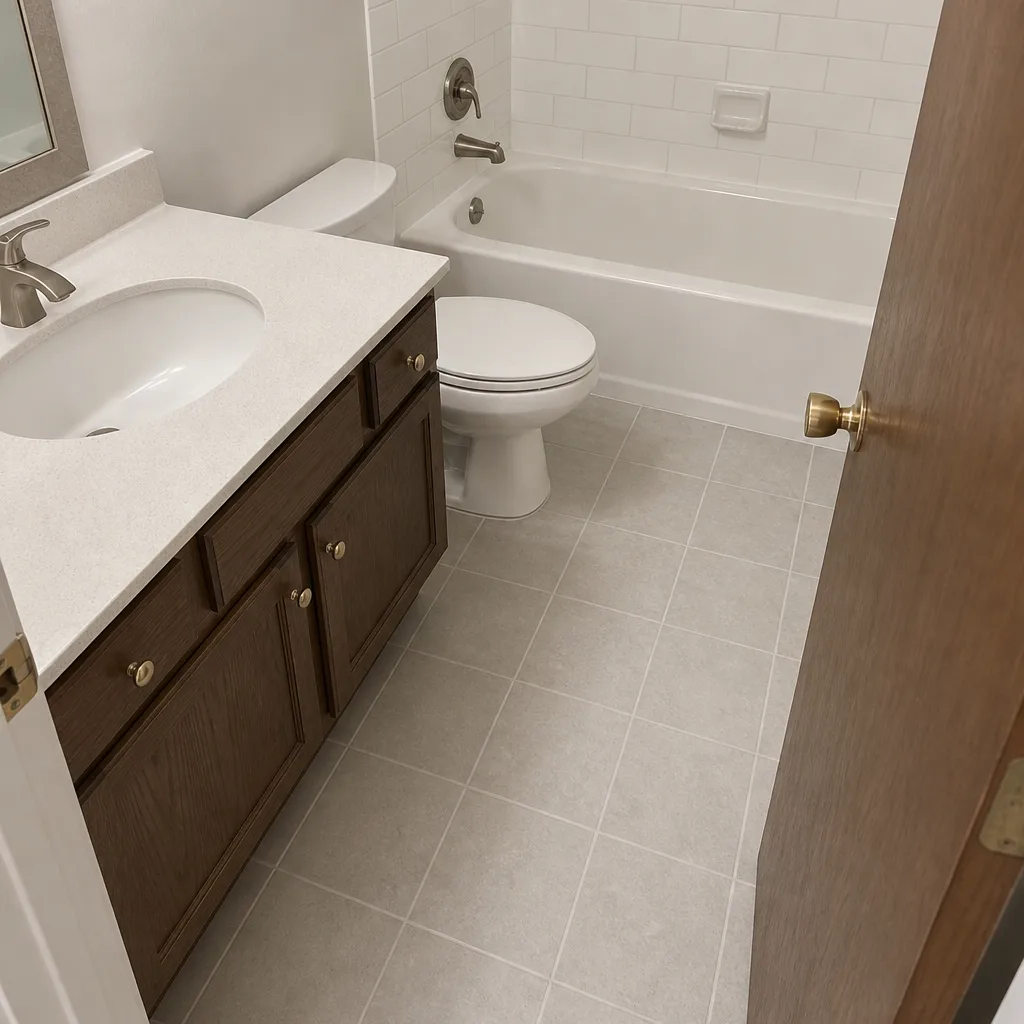
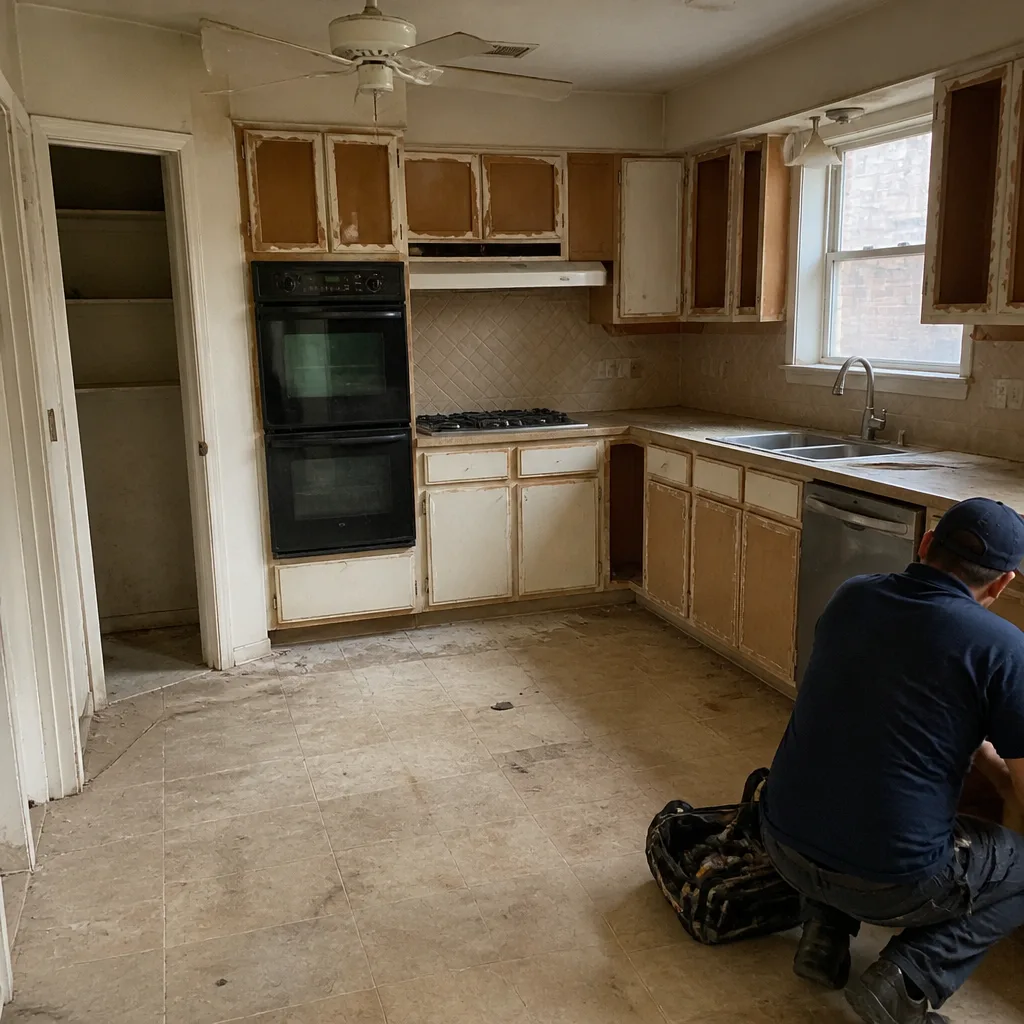
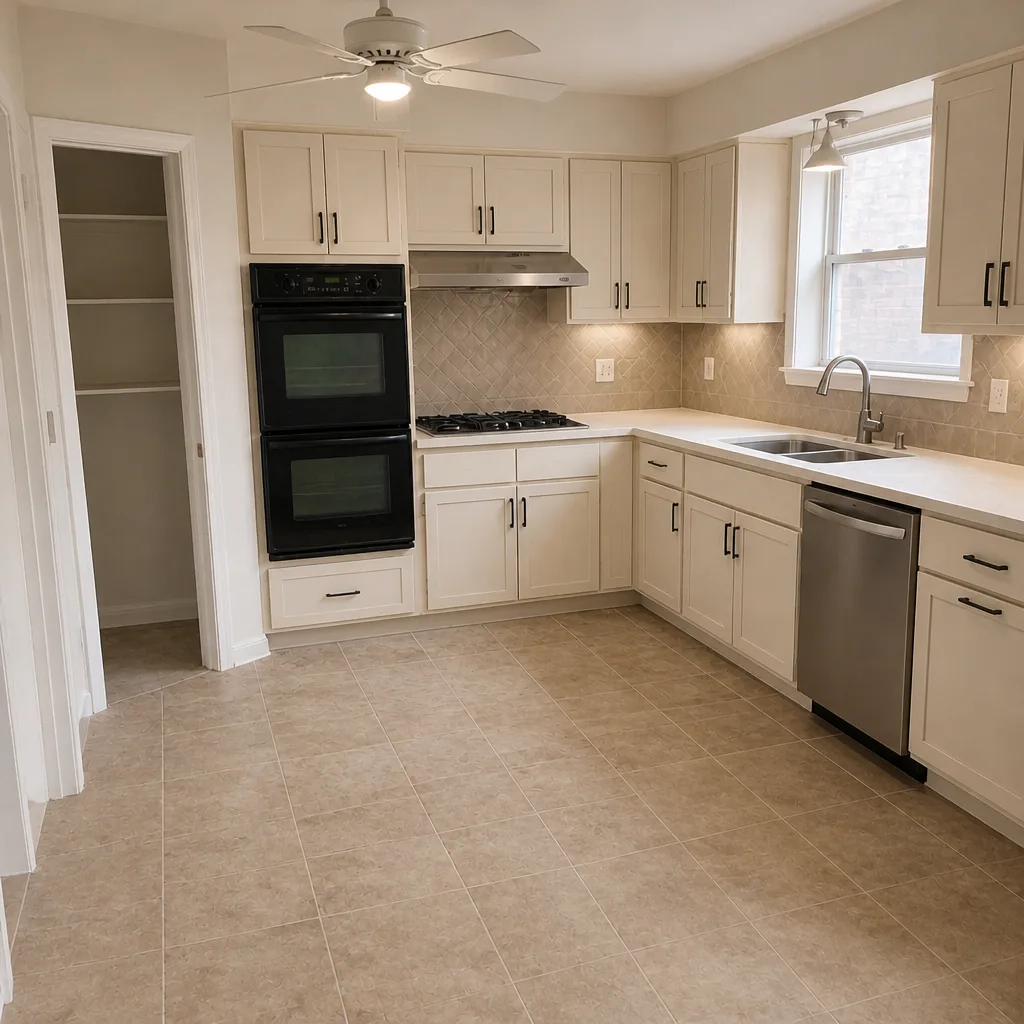
See the difference
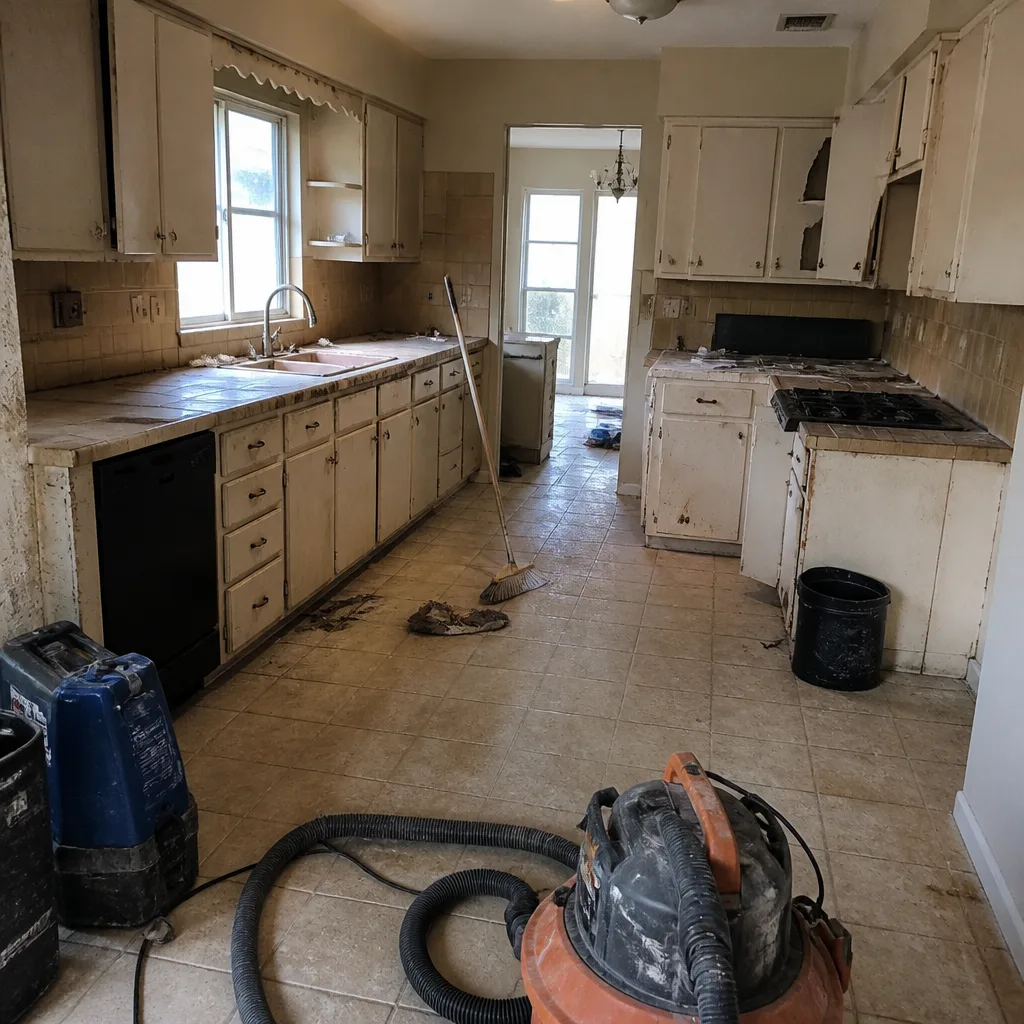 Before
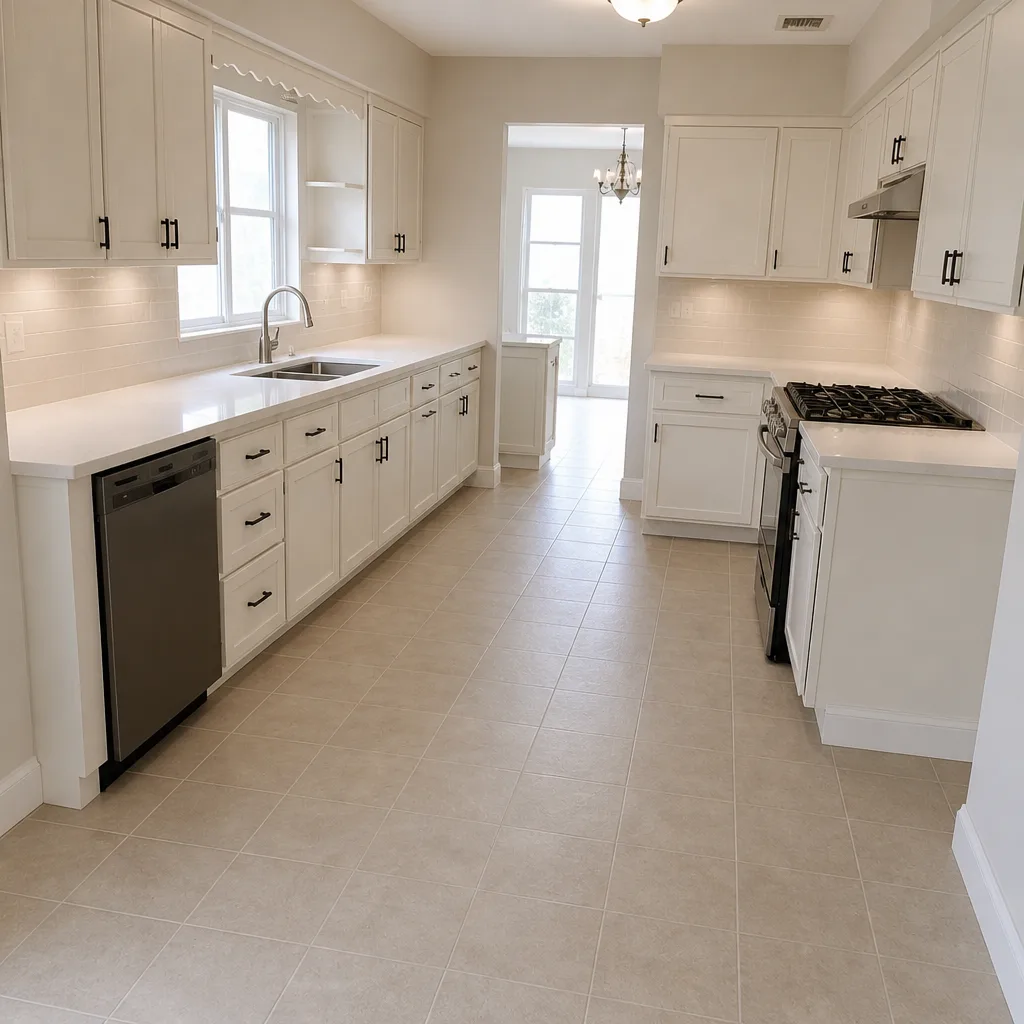 After
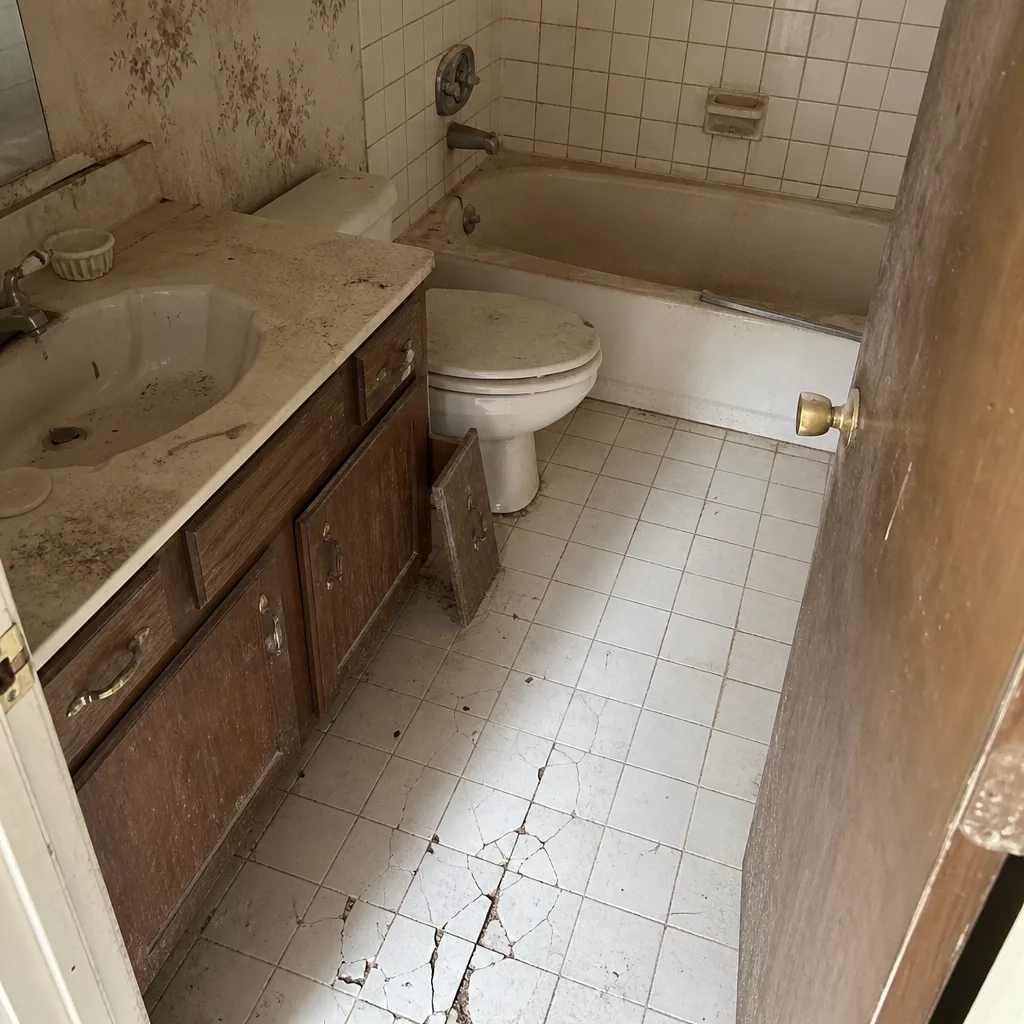 Before
 After
 Before
 After
Key Takeaways
- A window bid missing manufacturer, series, rough opening size, U-factor, and SHGC commits the contractor to almost nothing.
- Texas doesn’t license window installers specifically – verify business registration, insurance, and permit filings instead.
- Surface mold wipes off; structural decay crumbles. A contractor who wants to cover rot is handing you future repair.
- Manufacturer warranties are voided by improper installation – a labor warranty without certification may not pay out.
- Open or expired permits on the City of Plano portal signal a completion problem before you hire.
- Daylight, dragging doors, and doors that won’t latch are structural symptoms, not lock problems.
Common Mistakes to Avoid
- Signing a bid with “allowance” language. An allowance is not a price – it’s a placeholder the contractor can adjust later. A fixed line item names the product, the series, and the price in dollars before work starts.
- Assuming a verbal promise modifies the contract. In Texas, it doesn’t. If the salesperson says “we’ll use the higher-end glass” and the written bid does not say so, the written bid wins.
- Skipping the City of Plano permit search. Walking into a signed contract without checking the contractor’s open and expired permits is the single most avoidable mistake in this guide.
- Accepting “we’ll dry it and cover it” on wet framing. Every wet-framing cover-up in this climate becomes a rot replacement in five to eight years – at the next owner’s expense or yours.
- Trusting a labor warranty from an installer with no manufacturer certification. Ask for the certification before you sign, not after the install fails.
- Not photographing the rough opening yourself. Even when the crew documents the work, taking your own photos at rough opening gives you an independent record if the warranty is ever tested.
- Choosing a contractor before reading their three-star reviews. Five-star reviews tell you who had a great install. Three-star reviews tell you how the contractor behaves when a problem shows up – which is what you’re actually paying for.
When to Call a Professional
Bring in a professional when you see any of the following: black or dark staining on framing exposed during a replacement, daylight or a draft around a closed exterior door, a door that won’t latch or drags against the frame without lifting, fogged glass between panes, or a written bid that omits specification fields. We also get called for the harder diagnosis – a contractor who wants to skip a permit, a labor warranty with no certification on file, or a permit history with multiple expired jobs. Each of those is easy to check and expensive to ignore. Rowan Construction Group Plano offers free estimates in Plano. Call (844) 761-8346 to schedule yours, and if you have a competing written quote, we’ll review it line by line at no charge. That second opinion has caught more than a few missing U-factors.
Frequently Asked Questions
Standard vinyl double-hung replacements in Plano typically run $450 to $800 per window installed, with wood-frame or fiberglass units running $900 to $1,400 per window, and full-frame replacements (including trim and flashing) adding $200 to $400 per opening. Prices vary with size, U-factor, and SHGC requirements for west-facing exposures. Call (844) 761-8346 for a written line-item quote – estimates are free.
You need a permit when the replacement changes the rough opening size, alters framing, or affects the structural header. A same-size replacement in the existing opening often does not require a permit, but the contractor should confirm it against the City of Plano permit portal before work starts, not after. If they won’t confirm, that’s a warning sign. Call (844) 761-8346 to have us verify your specific scope.
Texas does not issue a specific window installer license, so verification is done through business registration (Texas Secretary of State or TDLR, depending on the entity), a valid certificate of insurance, and manufacturer certification. Any work touching electrical or structural framing requires a separate licensed professional and a permit. Ask for all three documents before signing, and call (844) 761-8346 if you want a second set of eyes on what you’ve been handed.
Black or dark gray staining on framing indicates active rot or long-term moisture intrusion in the wood itself, not surface mold. It requires replacement of the affected framing – not drying and covering – because the load-bearing capacity of the wood is compromised. Surface mold is pale, powdery, and wipes away; rot is dark, spongy, and crumbles. Call (844) 761-8346 for a free inspection before the window goes back in.
Only if the contractor can show current manufacturer certification and a written definition of “improper installation.” Manufacturer warranties are voided by installer error, so a labor warranty without certification on file may not pay out when tested. Ask for the certification number in writing. Call (844) 761-8346 for a free line-by-line review of any competing estimate – we’re happy to tell you whether the warranty in it is enforceable.
Yes, with a few door-specific additions: frames that have shifted from seasonal clay-soil movement, hinge screws that won’t hold, or daylight at the strike jamb. Door frames are more sensitive to settlement than window frames, so a door that drags without lifting is often the earliest sign of a foundation issue. Call (844) 761-8346 to have your door and frame inspected before the problem spreads.
The Bottom Line
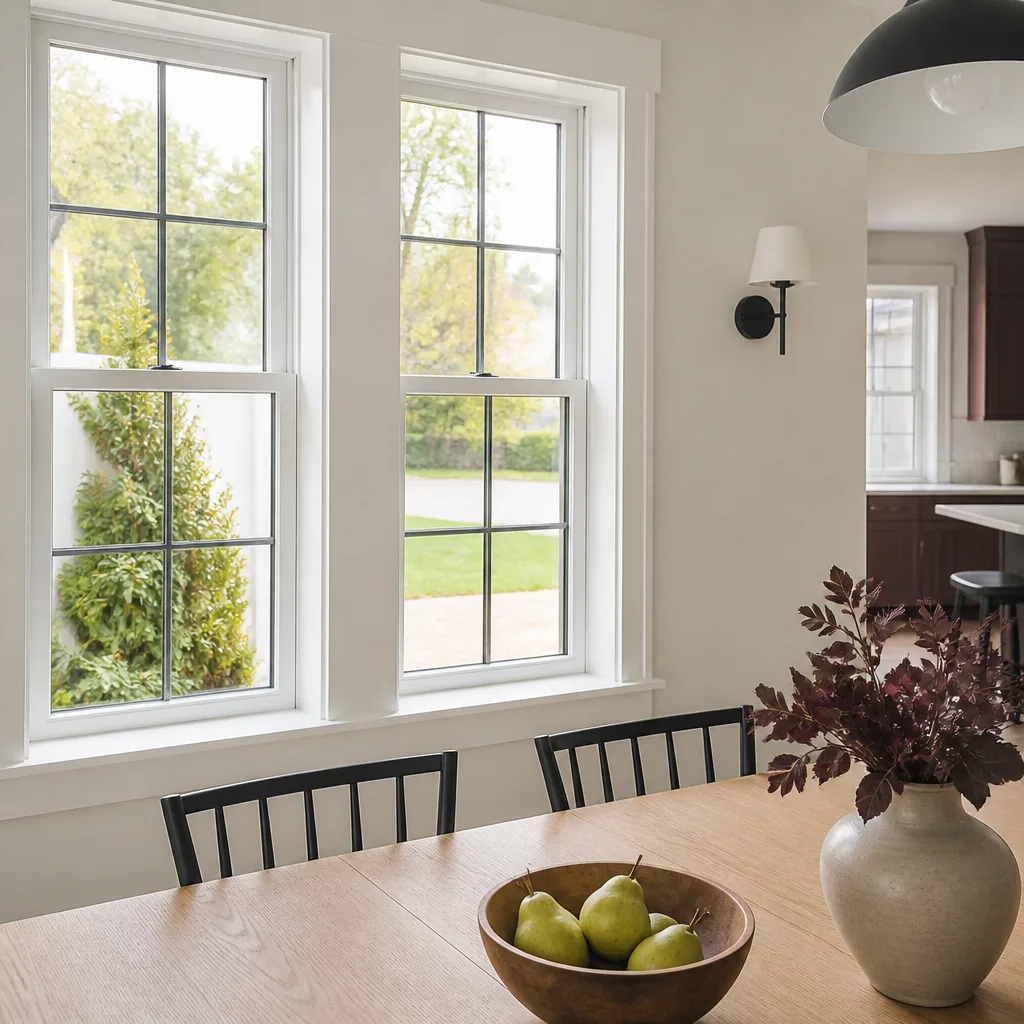
The warning signs that a window or door project will go wrong usually live in the paperwork, not on the job site. Check the five specification fields on every window line item – manufacturer, series, rough opening, U-factor, SHGC. Verify the contractor’s business registration, insurance, and permit history through the City of Plano portal. Watch the rough opening for dark, spongy framing and refuse a “dry it and cover it” solution. Read the labor warranty against the manufacturer certification. Do those four things, and most of the failure modes in this guide close themselves. Do none of them, and you’ll pay for the difference – often twice. Start with all seven of Rowan’s residential trades priced in writing at our Rowan Construction Group Plano home. Call (844) 761-8346 for a free estimate on your windows and doors in Plano.
Written by the team at Rowan Construction Group Plano.