Last updated November 18, 2026

Free written scope consultation - allowances, timeline, and change-order rules on paper before a single trade is scheduled
Choosing the Right Construction Brand: A Buyer’s Guide for Plano
James Hardie fiber cement siding carries a 30-year limited warranty. It also requires specific fastener types, specific clearances against the sheathing, and a documented install sequence. Most Plano homeowners never see those conditions written into the scope they sign, which means the warranty can be functionally void on a large share of installed jobs before the first Texas summer is over. That gap, between what a manufacturer promises nationally and what a product actually does under North Texas heat and clay soil, is where most material disappointments in Plano begin. This guide shows you how to read the documents, compare the specs, and pick brands that hold up here.
Quick Answer
The best construction material brands for Plano are the ones whose published installation requirements you can match on paper, whose products are rated for Texas wind zones and expansive clay soil, and whose local distributor network keeps them available mid-project. Prestige means little. A brand earns its place in your home when its warranty, its specs, and its local availability all line up before anyone picks up a tool. Ask for the warranty document and the installation requirements in writing before you sign a scope.
Styles & brands we work with
- Kitchen remodeling
- Bathroom remodeling
- Home additions & ADU
- Roofing
- Windows & doors
- Driveway & pavers
- Fence
Table of Contents
- How to Read a Manufacturer’s Warranty Document
- Climate-Specific Brand Performance in Plano
- What Makes a Brand “Vetted” in a Disciplined Supply Chain
- Comparing Two Competing Brands Side by Side
- Brand-Switching Risk During a Project
- The Documentation You Should Expect Before, During, and After
How to Read a Manufacturer’s Warranty Document
Warranties are the most skipped document in remodeling, and they’re the one that decides who pays when something fails. Two brands in the same category can print the same headline number, “30-year limited,” and treat you completely differently in year five. The word doing the real work is “limited,” and what follows it matters more than the length.
Start with the prorated versus non-prorated distinction. A prorated warranty pays less each year, so a claim in year 12 might return 40 percent of the original material cost. A non-prorated warranty pays the same in year 12 as in year 1. For roofing and siding, where failure is a decade-scale event, non-prorated coverage is worth far more than a longer prorated term.
Next, find the installer-required conditions. Manufacturers publish these in a separate spec sheet, and they’re binding. Common ones include:
- Specific fastener type, length, and spacing (not “roofing nails,” but a named gauge and coating)
- Clearance to grade, roof deck, or adjacent materials measured in inches
- Required underlayment or house wrap meeting a named standard
- A registered installer or contractor-completed installation certificate
- Ventilation ratios for attic and roof assemblies
Brands differ sharply in how public this is. James Hardie, GAF, Trex, and Boral all publish installation requirements online, and GAF goes further with a contractor certification program whose tiers determine what warranty the homeowner actually receives. If a brand requires registration and your contractor isn’t registered, the top-tier warranty isn’t available to you, and you should know that before the contract is signed, not after a leak. In Plano, we ask for the spec sheet as part of the quote, because the warranty is only as good as the install it describes.
Climate-Specific Brand Performance in Plano
Plano sits in a climate that punishes the wrong material choices. Summer afternoons push past 100°F, hail events roll through in spring, and the soil under most of Collin County is expansive clay that swells when wet and shrinks when dry. A product that performs in a mild coastal market can fail here in three seasons. Brand selection is really spec selection against those three forces.
Roofing first. Look for shingles rated for Texas wind zones under ASTM D3161, classified F or G, which means they’ve held up to sustained wind testing at 110 or 120 mph depending on class. Hail resistance matters too; ask for a Class 3 or Class 4 impact rating if your insurer offers a discount for it, which many in the Plano market do. GAF and Owens Corning both publish these ratings clearly on their product data sheets, so comparing two shingles is a matter of opening two PDFs, not trusting a salesman.
Concrete and driveways are the clay-soil test. Expansive clay moves, and a driveway poured on an unprepared base cracks within two or three winters no matter whose concrete is delivered. The brand diversity that matters here isn’t the concrete plant, which is local by definition, but the admixture and reinforcement lineup. Ask whether the mix specifies a water-reducing admixture and whether the contractor installs a compacted base and, where needed, an engineered slab that accommodates movement. For the surface, Belgard and Techo-Bloc pavers flex with the soil rather than fighting it, which is part of why paver driveways outperform poured concrete on clay. We cover the detail in Driveway & Pavers in Plano.
Exterior paint and heat are the third force. Paint lines with a CRRC-rated solar reflectance value reflect more of the sun’s energy and keep the surface cooler, which matters on a west-facing wall in July. Ask for the CRRC reflectance number, not a color name. The same logic applies to your window glass: a low solar heat gain coefficient keeps the Plano sun out of the living room.
What Makes a Brand “Vetted” in a Disciplined Supply Chain
“We carry quality brands” is a sentence any contractor can print. Vetting is a process, and it produces verifiable facts. At Rowan Construction Group Plano, a brand earns its place on our list only after three things check out. You can hold any contractor to the same three questions.
- Consistent availability at Plano-area distributors. A brand that has to be special-ordered from three states away is a brand that stalls your project when a unit arrives damaged. We check that local supply houses stock the sku we plan to install, in enough depth to cover a mid-project replacement.
- Documented installation training. Manufacturers that certify installers publish a requirement and a test. For roofing, that’s the GAF certification tiers; for cabinets it’s an installer training program from KraftMaid or Wellborn. If a brand offers none, that’s a signal the install is being left to chance.
- A reachable local rep for warranty support. When a claim needs to be filed, a rep who answers the phone in the Dallas metro makes the difference between a decision in weeks and a decision in months. We keep the contact on file before the first box is opened.
The cabinetry and finishes side of our list follows the same test. KraftMaid and Wellborn build cabinets to published construction specs (plywood versus particle board boxes, dovetail versus stapled drawers, soft-close hardware line), and we can show you the spec sheet that justifies the price difference. Cambria and Caesarstone countertops are both engineered quartz with published warranty terms and a documented care guide, so comparing them is a spec exercise. Fixtures are the same story: Kohler and Toto publish flow rates, bowl shape specs, and warranty terms that let you compare without a showroom pitch. That discipline is the whole point of a vetted list, and it’s the difference between a written quote with honest numbers and one with inflated ones.
Comparing Two Competing Brands Side by Side
When two brands look equally good on a brochure, the tie is broken by published numbers. Here’s the framework we use, and it works for a homeowner walking into a quote meeting. Rank by specification, not by slogan.
- Find the spec sheet, not the sales sheet. The spec sheet is the technical PDF; the sales sheet is the one with the photo of a happy family. Every brand on our list has a downloadable spec sheet.
- Pull three comparable numbers. For a window, that’s U-factor, solar heat gain coefficient, and the wind-load rating. For a shingle, wind class and impact class. For a paver, compressive strength and the freeze-thaw rating. The exact metrics vary by category; what stays constant is that you’re comparing numbers, not adjectives.
- Check the warranty term and prorated status alongside the spec numbers, since a brand can win the spec table and lose the warranty table.
- Confirm the installation requirements are published and the installer is certified for them.
- Compare landed cost, which includes availability and whether the local distributor carries it. A cheaper brand that ships from out of state may cost more in delays.
Fill in the table with your contractor and the tie dissolves fast. We’ve seen this settle a window comparison in ten minutes when the two brands’ solar heat gain numbers were a half-point apart, because the lower one meant a cooler room and a smaller AC load. The point of a side-by-side is to see what the marketing hides. Fence brands are a good example: Barrette, Master Halco, Ameristar, and Jerith all publish gauge, coating, and warranty specs for their panels, and comparing gauge and coating weight tells you which fence will survive a Plano summer. For the detail on what those specs mean for your yard line, see Fence Installation in Plano.
Brand-Switching Risk During a Project
Mid-project brand substitutions are common and dangerous. Supply runs short, the crew can’t get the shingle or the window you specified, and someone suggests a “comparable” brand. It seems harmless. It usually isn’t. Adjacent installed materials are engineered to work with specific components, and a swap can void warranties on the things next to it, not just the thing swapped.
Picture a roofing job. The shingle brand specifies a matching underlayment, a specific starter strip, and a specific ridge vent, all certified as a system. Substituting the underlayment for a different brand mid-job can void the shingle warranty’s wind coverage, because the manufacturer’s rating assumed its own underlayment. Even when the substitute is arguably better, the warranty terms don’t recognize it. The same logic runs through siding, where the flashing and tape are part of a system, and through window installs, where the flashing tape and sealant brand are named in the installation spec. On a kitchen, cabinet brands specify hinge and drawer hardware from a particular maker, and a swap can void the soft-close warranty on the hardware specifically.
The prevention is administrative, not technical. Under Clause 1 of The Haven Standard, no work proceeds on a change until the change order is signed. A material substitution is a change. The written substitution approval names the original brand and spec, the proposed substitute, and both spec sheets side by side, and it confirms in writing that the adjacent warranties remain valid. If the substitute can’t clear that test, we don’t swap it; we wait for the right unit or reschedule. That discipline is why our Plano projects finish within a few percent of the agreed number, and why the warranty on your roof is still worth reading in year ten.
The Documentation You Should Expect Before, During, and After
The real difference between a brand a contractor sells and a brand a homeowner buys is the paper trail. A brand without documentation is just a logo on a box. The documentation is what protects the material warranty and the install warranty, and it’s what you should ask to see at every stage. Here’s the documentation discipline we work to in Plano.
Before work starts, you should hold a flat written price with a written scope and a written warranty, plus the manufacturer spec sheets and installation requirements for every brand named. The quote names the brand and the model, not a category. On every visit, the crew takes a documented photo record as a standard deliverable, not an upgrade. That photo record is what proves the fastener pattern, the underlayment, and the flashing were done to the brand’s spec, which is the evidence a warranty claim needs.
During the job, any change gets a signed change order before work proceeds. At the end, you should hold the written warranty for the brand and for the workmanship, both printed, both with terms you can read before signing. The 365-Day Done Right Promise backs that with a written terms page, not an asterisk, and a second opinion on a competitor’s quote is a standing free offer. For a broader view of the trades this applies to, start with the Rowan Construction Group Plano home page, and for additions, where brand selection multiplies across trades, see Home Additions & ADU in Plano. We’ll walk any written estimate line by line at no charge.
Common Mistakes to Avoid
- Trusting the headline warranty term. A 30-year prorated warranty can pay less in year 12 than a 20-year non-prorated one. Read the proration schedule, not the number on the cover.
- Skipping the installation requirements. In Plano, a Hardie install that skips the spec’d fastener type can void the warranty before year one. The spec sheet is binding.
- Choosing by brand name alone. A brand that performs in a mild market can fail in North Texas heat and clay. Match the spec to the climate, not the reputation.
- Letting a mid-project swap happen on a handshake. Even a better brand can void adjacent warranties if it isn’t approved in a signed change order. Get the substitution in writing, with both spec sheets attached.
- Assuming the cheapest number is the cheapest project. A brand carried cheaply by an out-of-state supplier can stall a Plano project for weeks when a unit arrives damaged. Local availability is part of the price.
- Buying from a contractor who can’t produce the spec sheet. If the contractor can’t hand you the manufacturer’s installation requirements, they can’t prove the install met them.
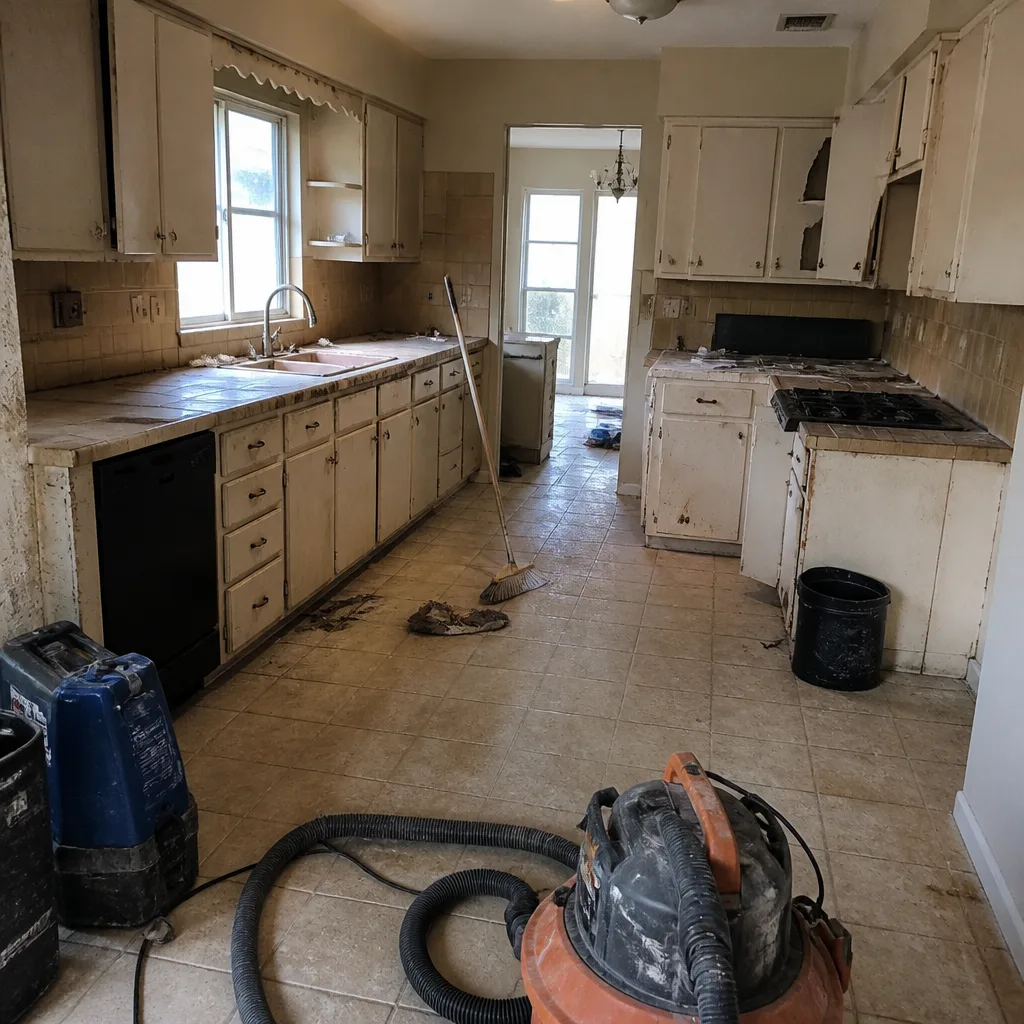
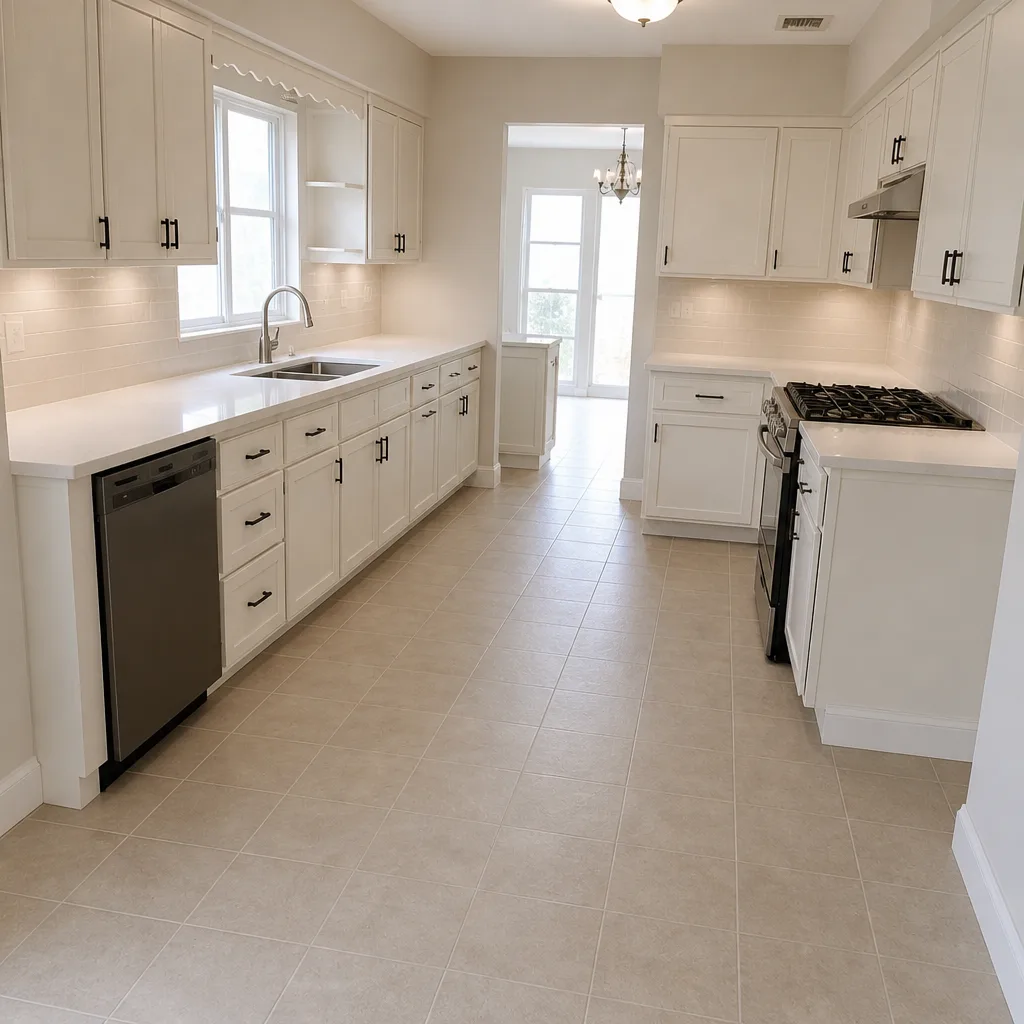
See the difference
 Before
 After
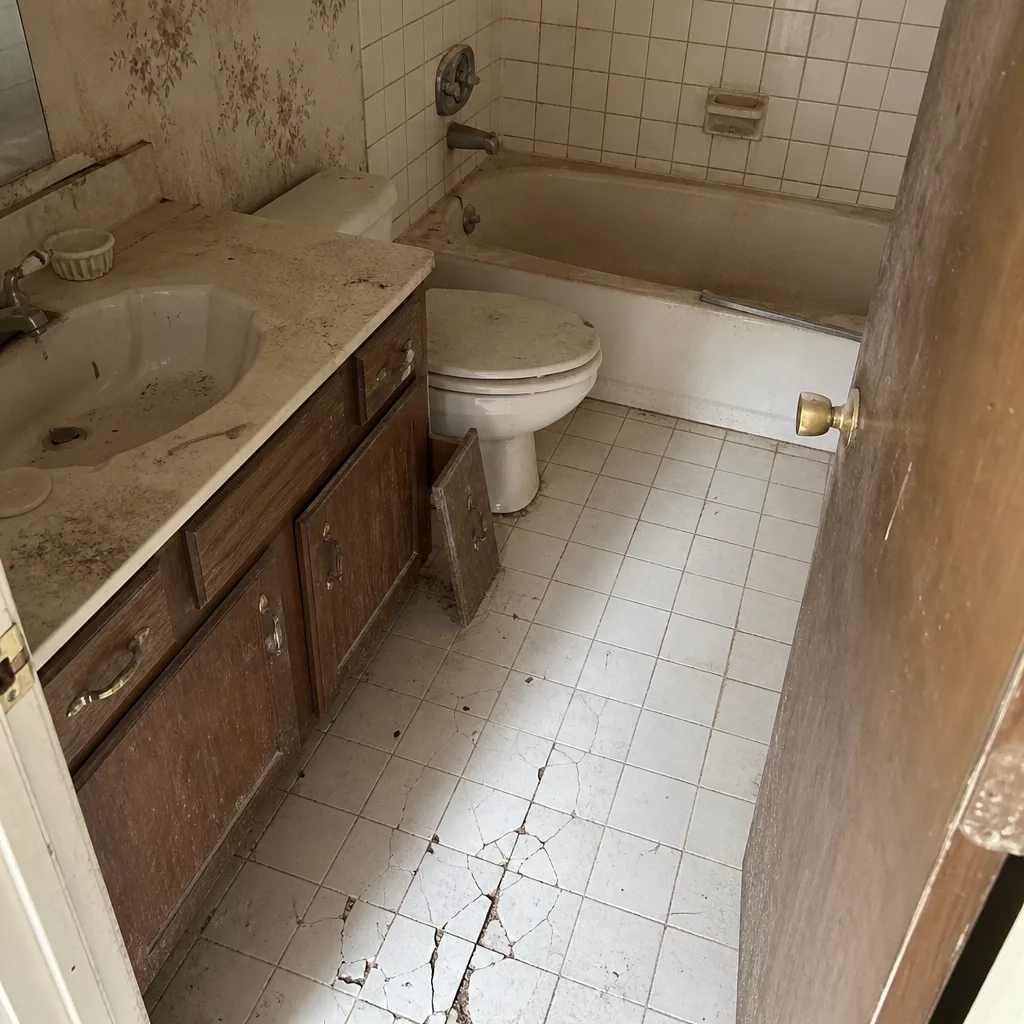 Before
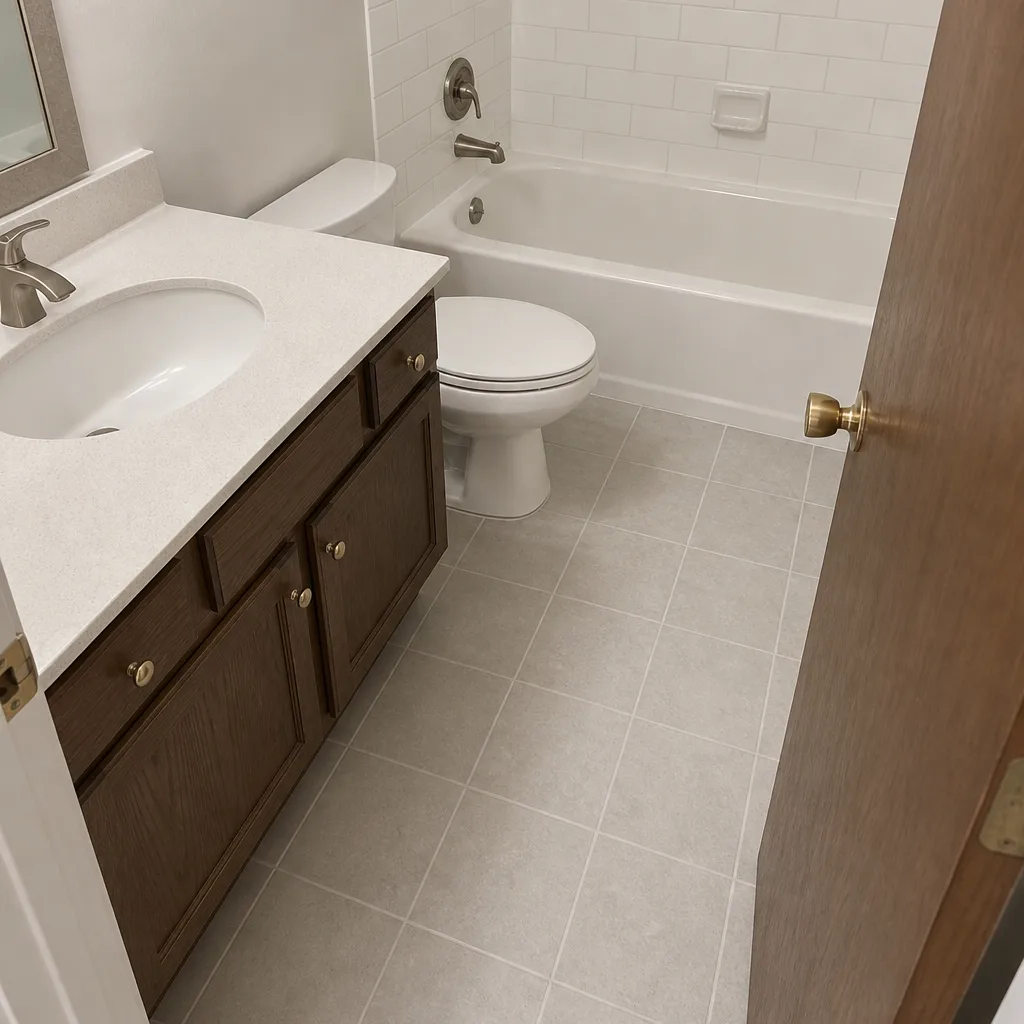 After
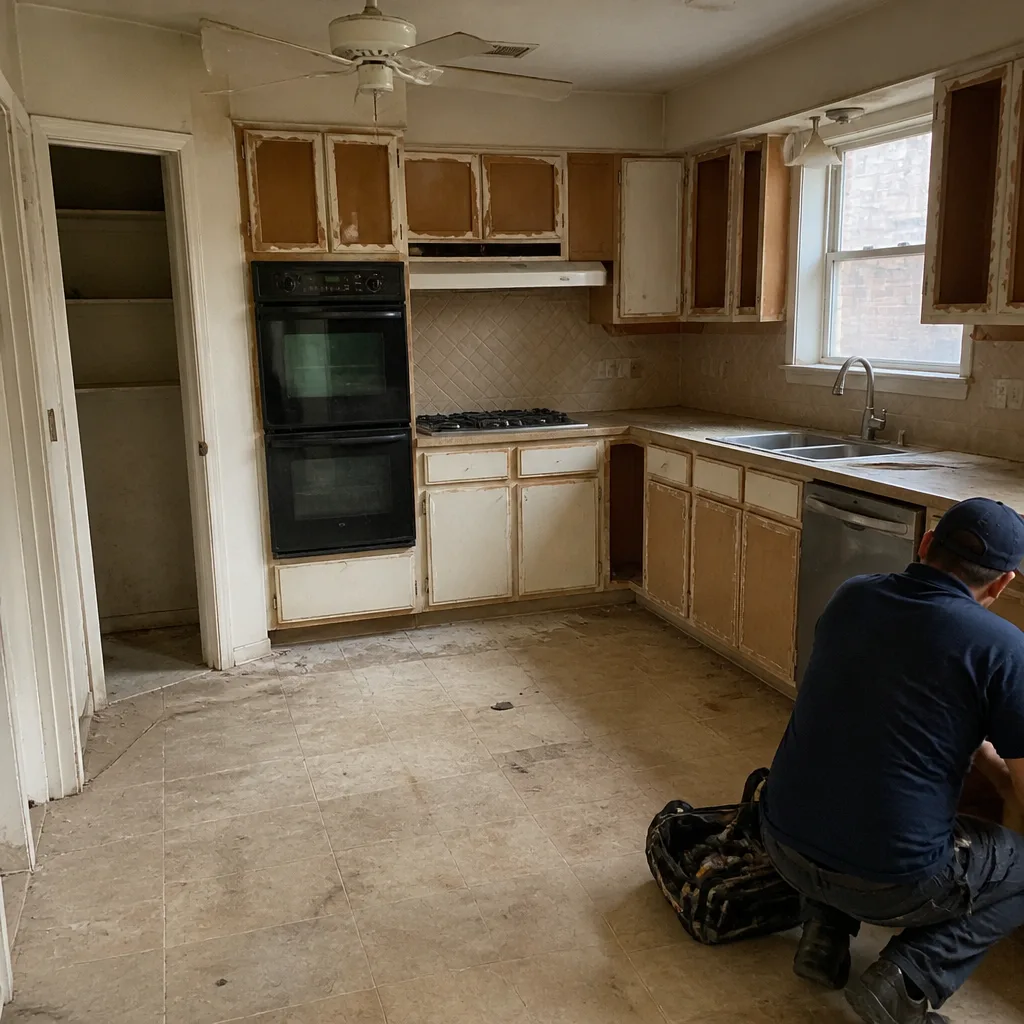 Before
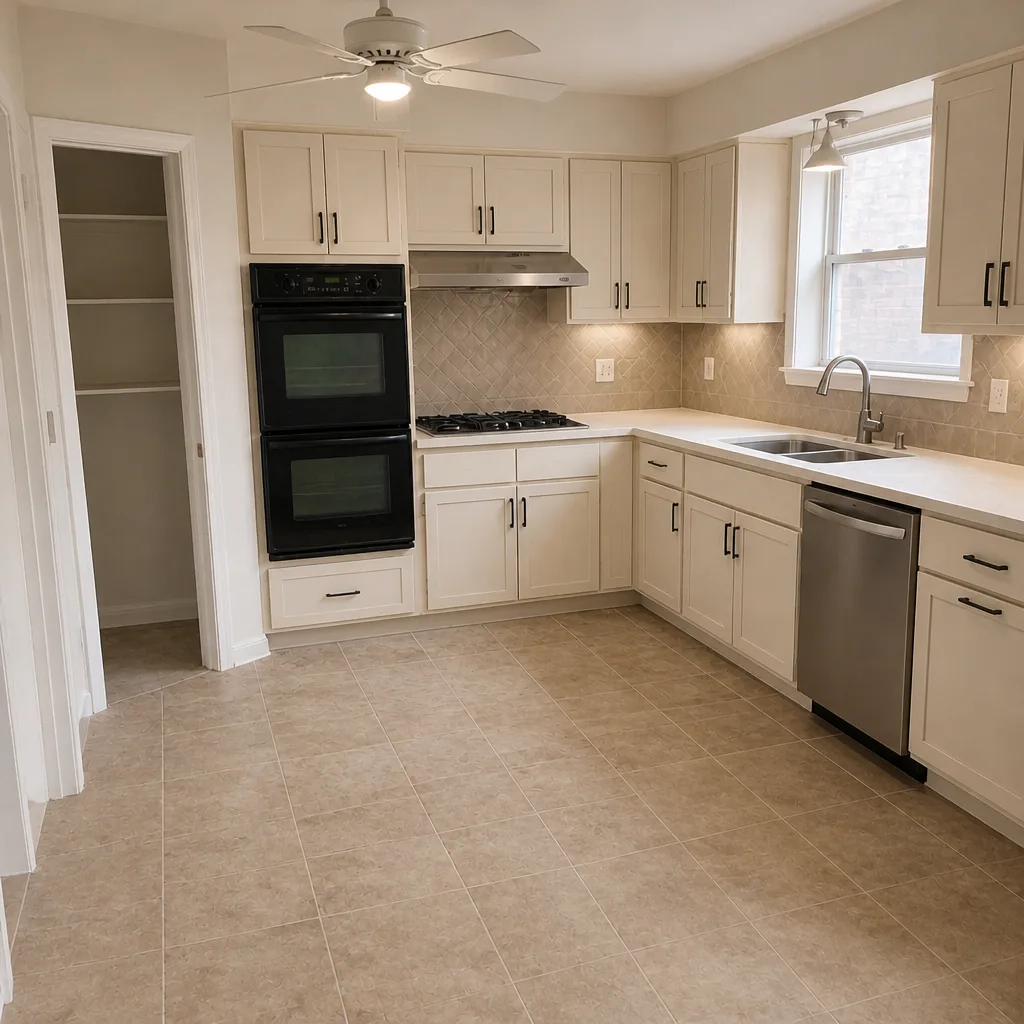 After
When to Call a Professional
Some brand decisions are safe to make on your own, like picking a paint color. Others carry enough risk that an experienced eye should read the spec with you. That includes any brand choice on a roofing system, where the shingle, underlayment, and venting are certified as a set; any window or door replacement, where flashing and sealing details decide the warranty; and any project on expansive clay, where the base and admixture specs matter more than the surface material. In our experience, the highest-cost brand mistakes are the ones made before the crew arrives, in the scope. Our technicians have up to 19 years of experience reading those specs against Plano conditions. Rowan Construction Group Plano offers free estimates in Plano: call (844) 761-8346, and bring a competitor’s written quote if you have one for a free line-by-line second opinion.
Frequently Asked Questions
There’s no single best brand; the best brand is the one whose published specs match Plano’s heat, wind, and clay-soil conditions and whose installation requirements you can match on paper. GAF and Owens Corning publish wind and impact ratings for Texas, Belgard and Techo-Bloc pavers flex with expansive clay, and KraftMaid and Wellborn publish cabinet construction specs you can compare. Call (844) 761-8346 for a free second opinion on any written estimate.
Read three things: whether the warranty is prorated or non-prorated, what the installer-required conditions are, and whether the brand requires a registered installer. A non-prorated warranty with published install requirements and a certified installer is worth far more than a longer prorated term. Ask for the spec sheet and the warranty document in writing before you sign a scope. Call (844) 761-8346 for an exact quote on your project.
Yes. Adjacent installed materials are often certified as a system, so swapping the underlayment or flashing on a roofing job can void the shingle warranty’s wind coverage even when the substitute is comparable. The fix is a written substitution approval that names both spec sheets and confirms adjacent warranties remain valid. No work should proceed on a change until that approval is signed. Call (844) 761-8346 to review a substitution on your project.
Plano combines 100°F summers, spring hail, and expansive clay soil that moves with moisture. A product rated for a mild climate can crack, fade, or lift here within a few seasons. Roofing wind class under ASTM D3161, concrete admixtures and base prep, and exterior paint with a CRRC solar reflectance rating are the three specs that decide performance. Call (844) 761-8346 for a written quote matched to Plano conditions.
Open both spec sheets and compare three published numbers specific to the category: for a window, U-factor, solar heat gain coefficient, and wind-load rating; for a shingle, wind class and impact class; for a paver, compressive strength and freeze-thaw rating. Then check warranty terms and local availability. The spec sheet and the warranty document decide the tie, not the sales sheet. Call (844) 761-8346 for a free line-by-line comparison of two competing quotes.
Yes. Under Clause 1 of The Haven Standard, you get a flat written price with a written scope and a written warranty before any work begins, on every trade. No change proceeds without a signed change order, and every visit includes a documented photo record. Call (844) 761-8346 to schedule a free estimate.
The Bottom Line
Brand selection in Plano is a spec exercise, not a popularity contest. Read the warranty document, not the cover; find the installation requirements and match them; confirm the product is rated for Texas wind and clay soil; and insist that any mid-project substitution gets a signed change order with both spec sheets attached. Those four steps prevent nearly every material disappointment we see. A written price, a documented photo record, and a signed change order do the rest. Rowan Construction Group Plano puts all of it in writing before anyone picks up a tool. Call (844) 761-8346 for a free estimate or a free second opinion on a competitor’s quote. Estimates are free, and the price is written before any work starts.
Written by the team at Rowan Construction Group Plano.