Last updated November 18, 2026




Free written scope consultation - allowances, timeline, and change-order rules on paper before a single trade is scheduled
The Complete Fence Installation Guide for Plano Homeowners
Most Plano fence failures we get called out to inspect have nothing to do with carpentry. The posts were set straight, the boards were true, and the gate still swings level. The problem is that a post landed inside a utility or drainage easement, and the city can order it pulled at the homeowner’s cost, with no recourse against the contractor who installed it. Plano has active easements on a significant share of residential lots, and a surprising number of fence projects get approved, built, and then unwound.
This guide is the document we wish every Plano homeowner read before signing a fence contract. It covers how to pull your lot survey and read the easement lines, how HOA fence approval actually works in Plano’s largest communities, what fence materials cost per linear foot in this market, where city code sets the height limits, and what a complete fence contract must include. By the end you’ll know what to check before a single post location is marked.
Quick Answer
Fence installation in Plano typically costs $28 – $55 per linear foot installed, depending on material (cedar, vinyl, or aluminum), and the two biggest causes of stalled or failed projects are undiscovered easement conflicts and unanticipated HOA approval delays. Before any work begins, pull your lot survey through the City of Plano GIS portal, confirm your HOA’s fence submission requirements and review timeline (usually 10 – 21 days), and get a written contract that specifies post depth, concrete mix, board grade, and a separate workmanship warranty.
Styles & brands we work with
- Kitchen remodeling
- Bathroom remodeling
- Home additions & ADU
- Roofing
- Windows & doors
- Driveway & pavers
- Fence
Table of Contents
- Why Easements Sink More Plano Fence Projects Than Bad Workmanship
- How to Pull Your Plano Lot Survey and Find the Easement Lines
- HOA Fence Approval in Plano: Timeline, Documents, and Why Submittals Get Rejected
- Fence Material Costs in Plano, by Linear Foot
- Plano Fence Height Limits by Zone, and the Variance Process
- What a Complete Fence Contract Must Include in Plano
- The Correct Order of Operations for a Plano Fence Project
- Common Mistakes to Avoid
Why Easements Sink More Plano Fence Projects Than Bad Workmanship
An easement is a legal right for someone else, usually the city or a utility provider, to access and use a strip of your property even though you own it. In Plano, the two that matter for fencing are utility easements (for water, sewer, electric, and telecom lines) and drainage easements (for stormwater flow). Both run along many rear and side property lines. Both are common. And both create a problem most fence contractors never mention until it’s too late.
Here’s the specific risk. If you build a fence inside a drainage easement, the city can require you to remove it, at your expense, if the structure interferes with stormwater flow or blocks maintenance access. If you build inside a utility easement, a utility company can remove the fence to reach its lines without compensating you. Neither party has any obligation to the contractor who installed the fence. The removal cost lands on you.
We’ve seen this play out in Plano’s established west-side neighborhoods, where lots were platted decades ago and drainage easements were drawn wider than the modern standard. We’ve also seen it in newer development where a builder set fences tight to the rear line without checking the recorded easement. In both cases, the fence was perfectly built and legally wrong.
The fix is cheap and fast: identify the easement lines before the fence layout is finalized. That’s a five-minute check on the city GIS portal and a conversation with the contractor about adjusting post locations. Do it first and the rest of the project runs normally.
How to Pull Your Plano Lot Survey and Find the Easement Lines
Plano maintains an online GIS (Geographic Information System) portal that shows property lines, recorded easements, and right-of-way for every parcel in the city. You can use it from a browser at home. Here’s the sequence we walk Plano homeowners through before the first post is marked:
- Open the City of Plano GIS portal and search for your address using the parcel search tool.
- Turn on the easement layer. This will overlay the recorded easement lines on your lot. Utility easements typically show in one color, drainage in another, and right-of-way in a third.
- Locate the proposed fence line relative to the overlay. If any part of the fence footprint falls inside an easement strip, note the setback distance required.
- Pull the recorded plat for your addition (the subdivision map), which the GIS portal usually links to. The plat shows the original easement dimensions, which sometimes run wider than the current GIS layer.
- Confirm with the city if the line is ambiguous. A call to Plano’s engineering or development services department will clarify which easement applies and whether a fence is prohibited or just requires a setback.
- Hand the easement overlay to your contractor before post locations are marked, with any required setbacks noted in writing.
What you’re looking for is anything labeled “utility easement,” “drainage easement,” or “ROW” that overlaps your fence perimeter. Most fence projects clear in under five minutes on the portal. If the rear fence line sits 3 or 4 feet inside your property line, that’s often because a drainage or utility easement runs there.
One more note: the survey data on the GIS portal is convenient but not a substitute for a physical survey if there’s any dispute about where your property line actually sits. If you’ve never had your lot surveyed, or the fence will be shared with a neighbor, get the survey before the layout is finalized. It’s a few hundred dollars and it prevents a legal argument.
HOA Fence Approval in Plano: Timeline, Documents, and Why Submittals Get Rejected
Plano’s largest HOA communities include Willow Bend, Deerfield, Kings Ridge, Russell Creek, and the Stonebridge Ranch area to the west. Each has its own architectural review committee (ARC) and its own fence approval process. Some are forgiving on timeline. Most are not. The single biggest scheduling mistake we see in Plano is a homeowner scheduling a fence installation before the ARC has issued a written approval.
The typical Plano HOA fence review timeline runs 10 to 21 days from submittal to a written decision. Communities with full architectural committees meeting monthly can push that to 30 days if the submittal lands after the meeting cutoff. Plan for the longer window. If you’re scheduling fence installation for a specific date, submit to the ARC first and only start the installation after you have approval in hand.
Here’s what your submittal usually needs:
- A site plan showing the fence line, with dimensions and the relationship to the house and driveway.
- The proposed material and color, with a manufacturer specification sheet or photo. Many Plano HOAs approve specific cedar toners, vinyl colors, and aluminum styles, and reject deviations even if the material is fine.
- Fence height by fence segment. Rear, side, and front-yard segments often have different allowances.
- Post spacing and height above grade, in inches.
- Neighbor notification if the fence runs on a shared property line, sometimes with a signed acknowledgment.
- Contractor information, including proof of insurance, depending on the HOA’s rules.
The most common rejection reasons we see in Plano are mismatched material color (vinyl in a community that only approves cedar), fence height exceeding the community’s own limit (often 6 feet detected from the neighbor’s grade, not yours), and insufficient documentation on the submittal packet. All three are easy to prevent with a first read of the HOA architectural guidelines before the submittal goes out. A second rejection costs you another two weeks.
Fence Material Costs in Plano, by Linear Foot
Fence material pricing in Plano reflects the local market: cedar is plentiful and cost-competitive, vinyl is popular in newer HOA communities, and aluminum is the choice where an HOA requires a “black ornamental” fence or where you’re bordering a greenbelt or pool. Here are the installed ranges we see across the Plano market in the current cycle. These are per linear foot, installed, including posts, concrete, and standard hardware.
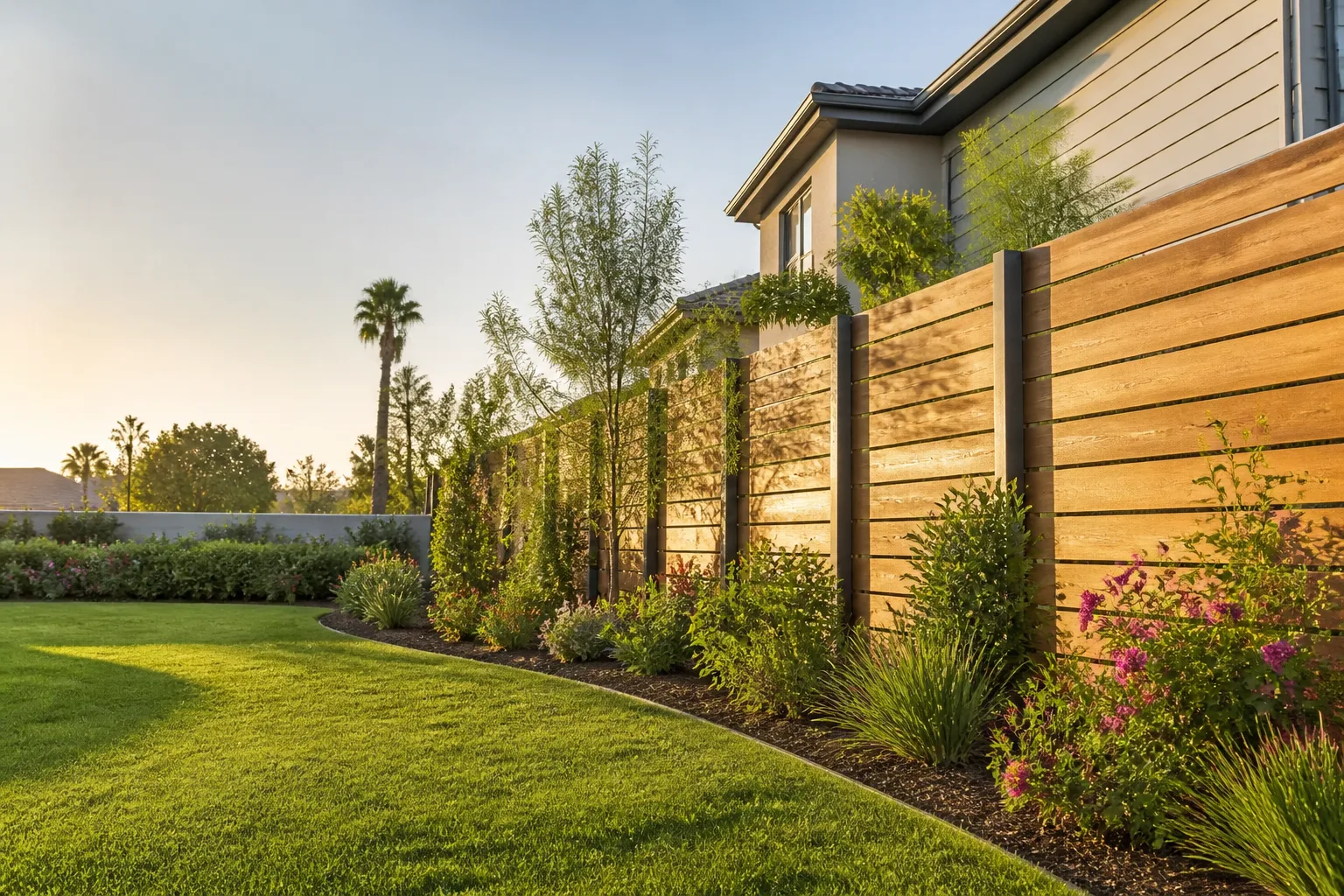
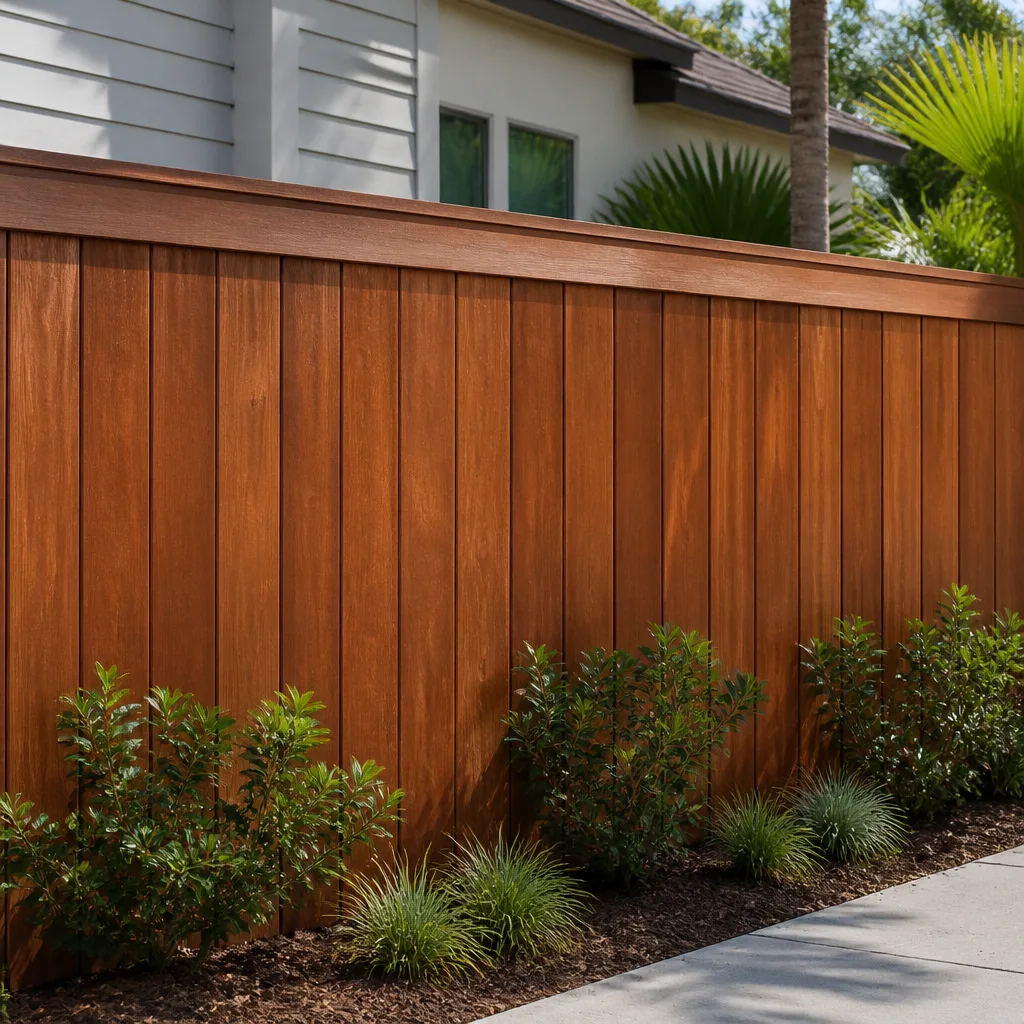
- Cedar privacy fence: $28 – $45/LF installed. The lower end is #2 cedar with 1-inch pickets and standard 8-foot post spacing. The upper end is select-grade cedar, thicker posts, and a stained finish. Cedar is the default in most Plano neighborhoods and takes this climate well as long as it’s stained every few years.
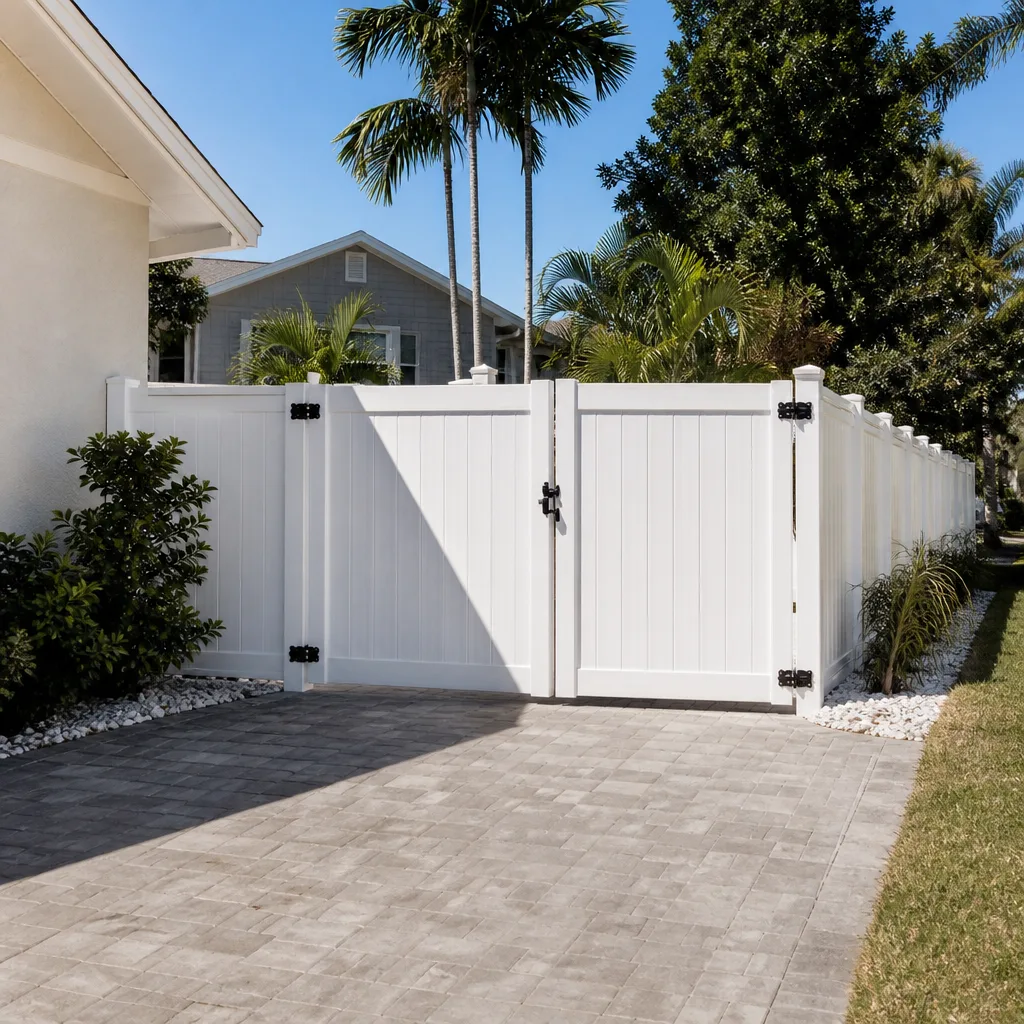
- Vinyl privacy fence: $35 – $50/LF installed. Extruded vinyl, typically in a 6-foot privacy profile. Popular in newer Plano communities like Light Farms and the northern developments. Requires less maintenance than cedar but the material can become brittle in sustained heat, and full Texas sun on a vinyl run will show hairline cracks over a decade.
- Aluminum ornamental fence: $38 – $55/LF installed. Powder-coated aluminum, typically 4 to 5 feet. The higher end reflects wider panel picks and premium anchoring. The aluminum brands we typically source include Ameristar and Ironcraft by King Metals, which hold up well to Plano’s temperature swings and don’t rust like steel.
For wood, cedar supplies come through regional mills and lumber distributors, and the quality of the board grade directly affects longevity in Plano’s climate. For shingle and roofing materials on fence-adjacent structures like a gatehouse or covered patio, brands like GAF and Owens Corning are the reference points we use.
Get every fence quote itemized at this granularity. A flat lump-sum number tells you nothing about which material grade you’re actually getting, and the difference between #2 cedar and select cedar on a 200-lineal-foot run is thousands of dollars of quality you’ll notice in year ten.
Plano Fence Height Limits by Zone, and the Variance Process
Plano’s city code caps fence height in most residential zones, and the cap differs by where the fence sits on the lot. The current standard is:
- Rear and side yard (rear half): 6 feet maximum, measured from the higher adjacent grade.
- Front yard or street-facing side: 4 feet maximum. Some corner-lot configurations allow slightly more on one side, but the default rule is 4 feet in the front yard zone.
- Clear sight triangle at corners and driveways: restricted further to maintain visibility at intersections and driveways. A 6-foot fence on the corner can be legal on the rear half and illegal on the front half of the same lot.
Measuring “from the higher adjacent grade” is where most disputes happen. If your lot sits above your neighbor’s, the fence that’s 6 feet on your side of the grade is 7 or 8 feet on theirs. Plano inspectors use the higher grade side, so a 6-foot fence from your grade can fail. The fix is to set the fence 6 feet from the higher side and let the visible panel drop below on the lower side.
If your project genuinely requires more than 6 feet (pool privacy, high-wind screening, security), Plano’s board of adjustment can grant a variance. The process takes several months and requires a written application, neighborhood notification, and a hearing. From what we’ve seen in Plano, most variance requests fail when the applicant can’t show an actual hardship that another compliant design couldn’t solve. If a 6-foot fence works, the variance route is not worth the five months.
What a Complete Fence Contract Must Include in Plano
A fence contract that says “cedar privacy fence, 180 linear feet, $8,500” is not a contract. It’s a number with a hope attached. In Plano’s climate, where a fence has to survive sustained summer heat, periodic freezes, and heavy spring rain, the difference between two fences built at the same length is entirely in the specification. Here’s the specification your contract should include, line by line.
Post depth and spacing. Post holes should be set at least 2 feet below grade in Plano’s heavy clay soil, and deeper (2.5 to 3 feet) on corner posts and gate posts. Post spacing should be specified at 8 feet on center or tighter. Anything looser and the fence sags within a year.
Concrete mix. Post concrete should be a specified mix, typically a standard 4,000 PSI ready-mix or a bagged mix with a stated PSI rating on the contract. “Concrete” is not a spec. Confirm the crown of the concrete sits above grade and slopes away from the post to shed water.
Board grade. For cedar, specify #2 cedar or select cedar by name. The grade difference is not cosmetic. Select cedar takes stain more evenly, resists warping better, and lasts 5 to 8 years longer in Plano sun when properly sealed. The contract should name the grade.
Board thickness and width. 1-inch nominal pickets are standard, but a 5/8-inch board is not the same product. Specify.
Hardware. Galvanized or coated fasteners, and specify whether boards are nailed or screwed. Screws cost more and last longer. The contract should say which.
Workmanship warranty, separate from material warranty. These are two different things. The material warranty comes from the supplier. The workmanship warranty comes from the contractor, and it should be written, dated, and cover post settlement, board separation, gate sag, and finish failure. A single combined “one-year warranty” is not the same as a specified workmanship warranty. Rowan’s fence work falls under the 365-Day Done Right Promise: if it’s not done right, we make it right, backed by The Haven Standard in writing.
Easement and HOA clearances in writing. The contract should state that easement locations have been verified and recorded, and that any required HOA approval has been obtained before mobilization. If those two items aren’t in writing, the project isn’t ready to start. Under Clause 1 of the Haven Standard, the written price comes before anyone starts, and no work proceeds on a change until the change order is signed.
The Correct Order of Operations for a Plano Fence Project
If we were building a fence in Plano and wanted the project to run without a stop, here is the sequence we’d follow. It’s the same sequence any careful contractor should walk you through.
- Pull the Plano GIS easement overlay and identify any utility or drainage easement that touches the proposed fence line.
- Read the HOA architectural guidelines and confirm the fence material, color, and height are approved by the community.
- Confirm the city code height limit for each fence segment (rear, side, front) against where the fence sits on the lot.
- Get a written, itemized quote that specifies post depth, concrete mix, board grade, hardware, and a separate workmanship warranty.
- Submit the HOA packet with site plan, material spec, color, and neighbor notification.
- Wait for HOA written approval. Do not schedule installation before this lands, even if the contractor has an open date.
- Mark the fence layout on the ground with the easement setback confirmed and the grade measurement taken from the higher side.
- Install, inspect, and document. A photo record of post depth, concrete pour, and finished panels is a standard deliverable, not an add-on.
Run this sequence out of order – especially steps 5 and 6 – and the project stalls with lumber on the ground. Run it in order and the typical Plano fence wraps inside a week of installation start, with the bulk of the calendar time spent on HOA review and material lead time.
Common Mistakes to Avoid
- Setting posts before checking the easement. A single post inside a Plano drainage easement can require the whole fence to be rebuilt at your cost. Confirm the easement overlay before the layout is marked.
- Starting installation before HOA approval. Plano ARC review takes 10 to 21 days in most communities. If you install first, you can be required to remove the fence even if the final approval comes through.
- Buying cedar without specifying the grade. #2 cedar and select cedar look similar on day one. On a Plano summer a couple of years later, they don’t.
- Measuring height from your side of the grade. Plano inspectors measure from the higher adjacent grade. If your neighbor’s lot is higher, your “6-foot” fence is taller than code allows.
- Accepting a contractor’s verbal assurance on the warranty. A workmanship warranty has to be written into the contract with a specified duration and covered items. Verbal warranty isn’t a warranty.
- Skipping the survey on a shared property line. A survey is a few hundred dollars and a boundary dispute is a legal matter. The survey is the cheaper option every time.
- Choosing a contractor on price alone. The lowest quote in Plano is almost always the one with the shallowest posts, the thinnest cedar, and the shortest workmanship warranty. You’ll pay for it on the back end.
See the difference
 Before
 After
 Before
 After
 Before
 After
When to Call a Professional
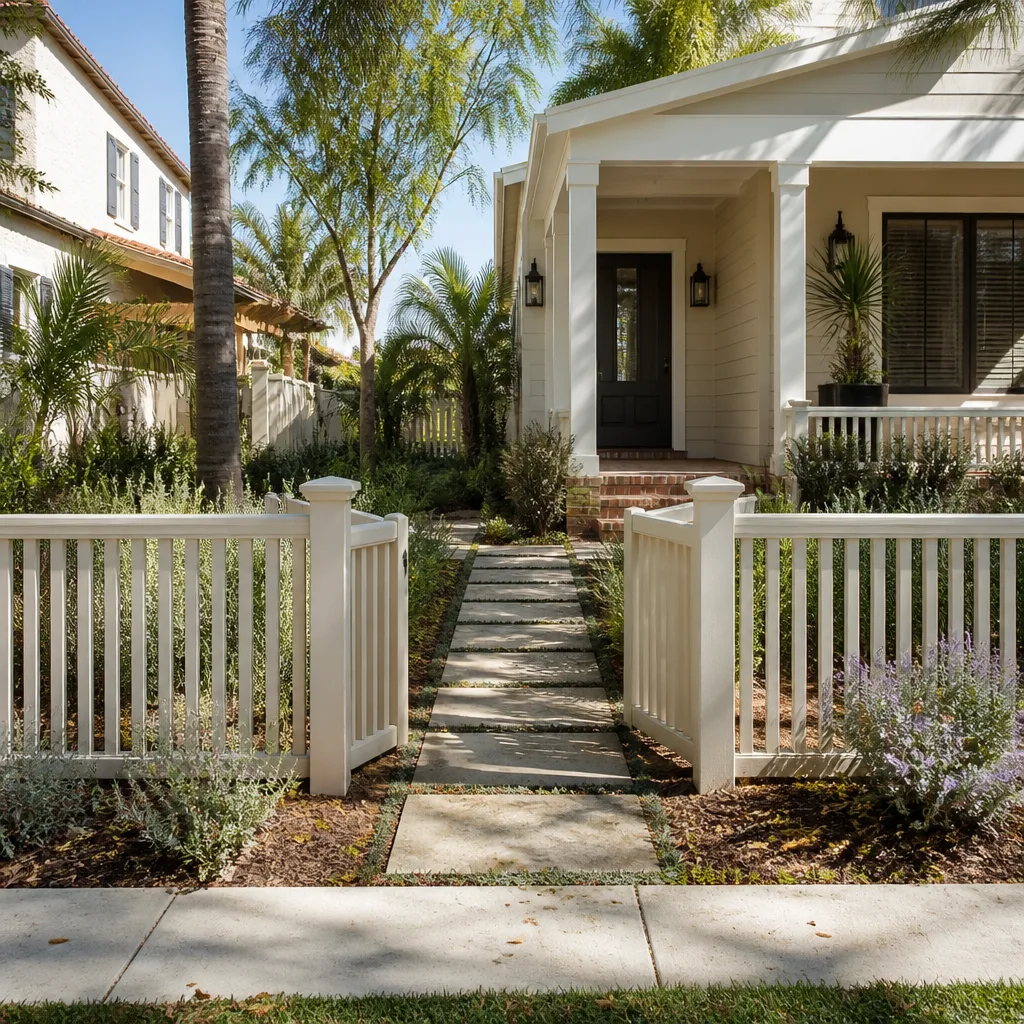
Most of this guide is information you can act on yourself – pulling the GIS overlay, reading HOA guidelines, confirming the code height. The build itself is a different story. Fence installation in Plano means post holes set 2 to 3 feet into heavy clay, correctly mixed concrete, precise board grade, and a gate that swings level for a decade. Post-hole augers (manual or powered) injure hundreds of homeowners a year, and utility strikes happen when nobody calls 811 before digging. If your project involves a shared property line, a corner-lot sight triangle, a variance request, or a length over 100 linear feet, the time to call is before the layout is marked, not after.
Rowan Construction Group Plano offers free estimates in Plano and reviews any written competitor quote line by line at no charge, so you can compare post depth, board grade, and warranty side by side before you sign. Our technicians have up to 19 years of experience, and every estimate includes a written flat price and scope. Call (844) 761-8346 to schedule your free estimate. For related projects on the same property, see our Rowan Construction Group Plano home page and our guide to Driveway & Pavers in Plano. If the fence anchors a larger outdoor plan, our team at Fence Installation in Plano can coordinate the layout with a future Home Additions & ADU in Plano build.
Frequently Asked Questions
Fence installation in Plano typically costs $28 – $45 per linear foot for cedar, $35 – $50 for vinyl, and $38 – $55 for aluminum, installed. A typical 150-lineal-foot rear fence runs roughly $4,200 to $6,750 in cedar. The number moves with board grade, post depth, and gate count. Call (844) 761-8346 for an exact written quote – estimates are free, and we review any existing quote line by line.
Yes, if your home is in a Plano HOA community, which includes most of the west and northwest residential areas. Willow Bend, Deerfield, Kings Ridge, Russell Creek, and Stonebridge Ranch all run architectural review for new fences. The typical approval timeline is 10 to 21 days. Submit before you schedule installation, not after.
Plano’s standard fence height is 6 feet in the rear and side yard, and 4 feet in the front yard zone, measured from the higher adjacent grade. Corner lots and driveways have additional sight triangle restrictions. If your project needs more than 6 feet, a board of adjustment variance is available but the process takes several months and requires documented hardship.
Sometimes, but only with a setback, and sometimes not at all. Utility and drainage easements on Plano lots often allow a fence but prohibit posts inside the easement strip. If the fence interferes with drainage flow or utility maintenance access, the city or utility can order removal at your cost, with no recourse against the contractor. Verify the easement on the City of Plano GIS portal before the layout is marked.
Actual installation on a typical 150 to 200-lineal-foot fence takes 2 to 3 days of crew time. The calendar time from signed contract to finished fence is typically 2 to 4 weeks in Plano, with most of it spent on HOA review and material lead time rather than installation. Plan the sequence accordingly.
A written workmanship warranty that’s separate from the material warranty, covering post settlement, board separation, gate sag, and finish failure, with a specified duration. Verbal warranty isn’t a warranty. Rowan’s fence work is covered by the 365-Day Done Right Promise – if it’s not done right, we make it right. Call (844) 761-8346 to see the warranty terms in writing before you sign anything.
The Bottom Line
Fence projects in Plano succeed or fail on administration, not carpentry. Pull the GIS easement overlay first, confirm HOA approval before you schedule installation, verify the code height from the higher grade side, and get a written contract that specifies post depth, concrete mix, board grade, and a separate workmanship warranty. Cost the project against the actual Plano market – $28 – $45 per linear foot for cedar, $35 – $50 for vinyl, $38 – $55 for aluminum – and build the timeline around a 2 to 4 week calendar window rather than a 2-day install. Then the fence gets built once, and stays built.
Rowan Construction Group Plano is a residential construction contractor offering fence installation and six related trades under The Haven Standard. Every project has a written flat price before work begins, background-checked crews, and a documented photo record on every visit. Call (844) 761-8346 to schedule your free estimate, or bring a competitor’s quote for a free line-by-line second opinion.
Written by the team at Rowan Construction Group Plano.