Free written scope consultation - allowances, timeline, and change-order rules on paper before a single trade is scheduled
Styles & brands we work with
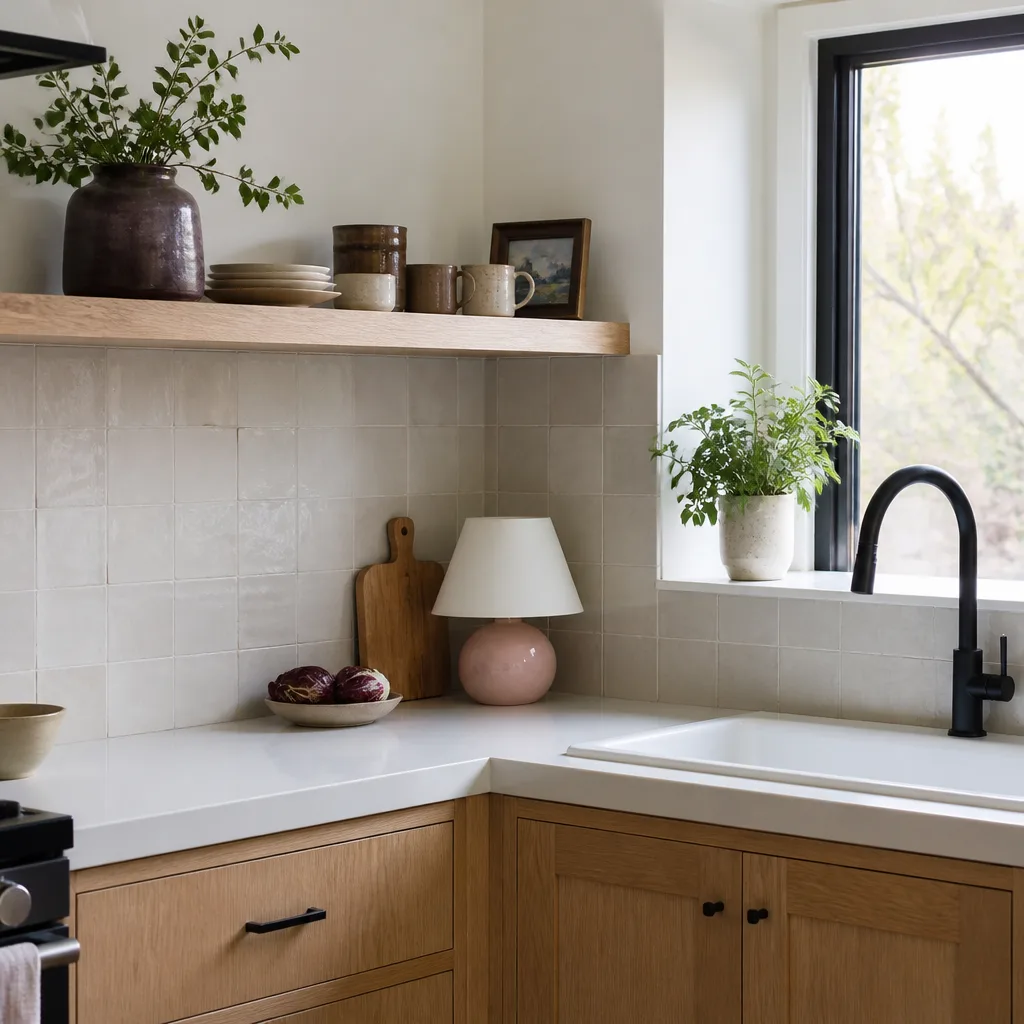
- Kitchen remodeling
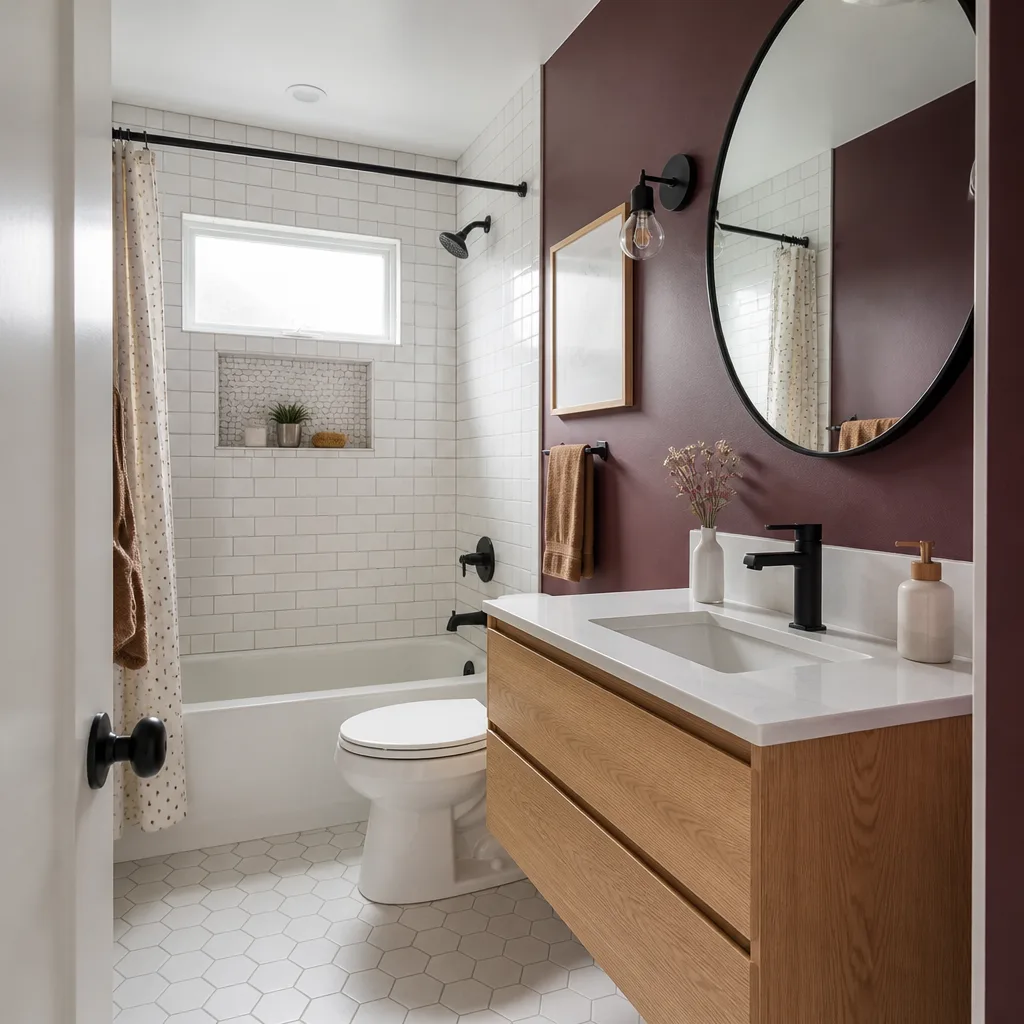
- Bathroom remodeling
- Home additions & ADU
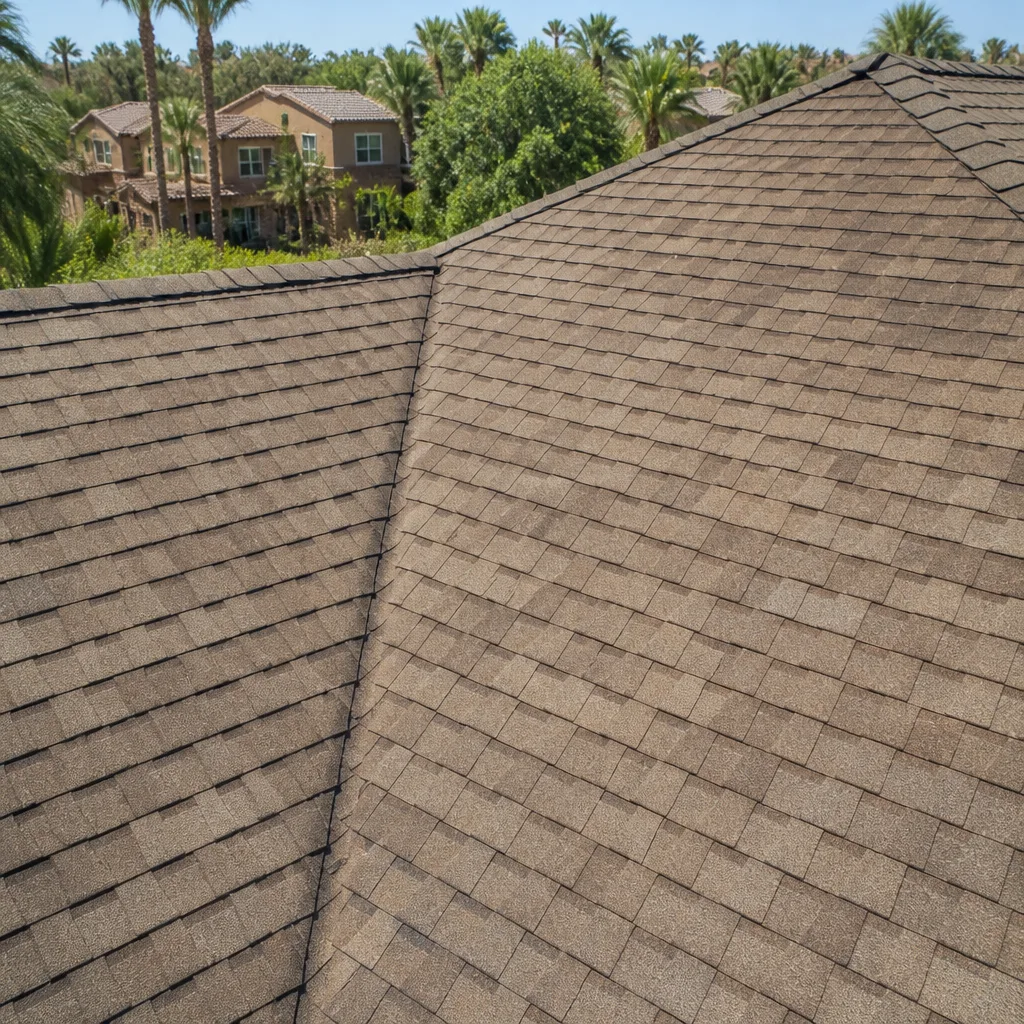
- Roofing
- Windows & doors
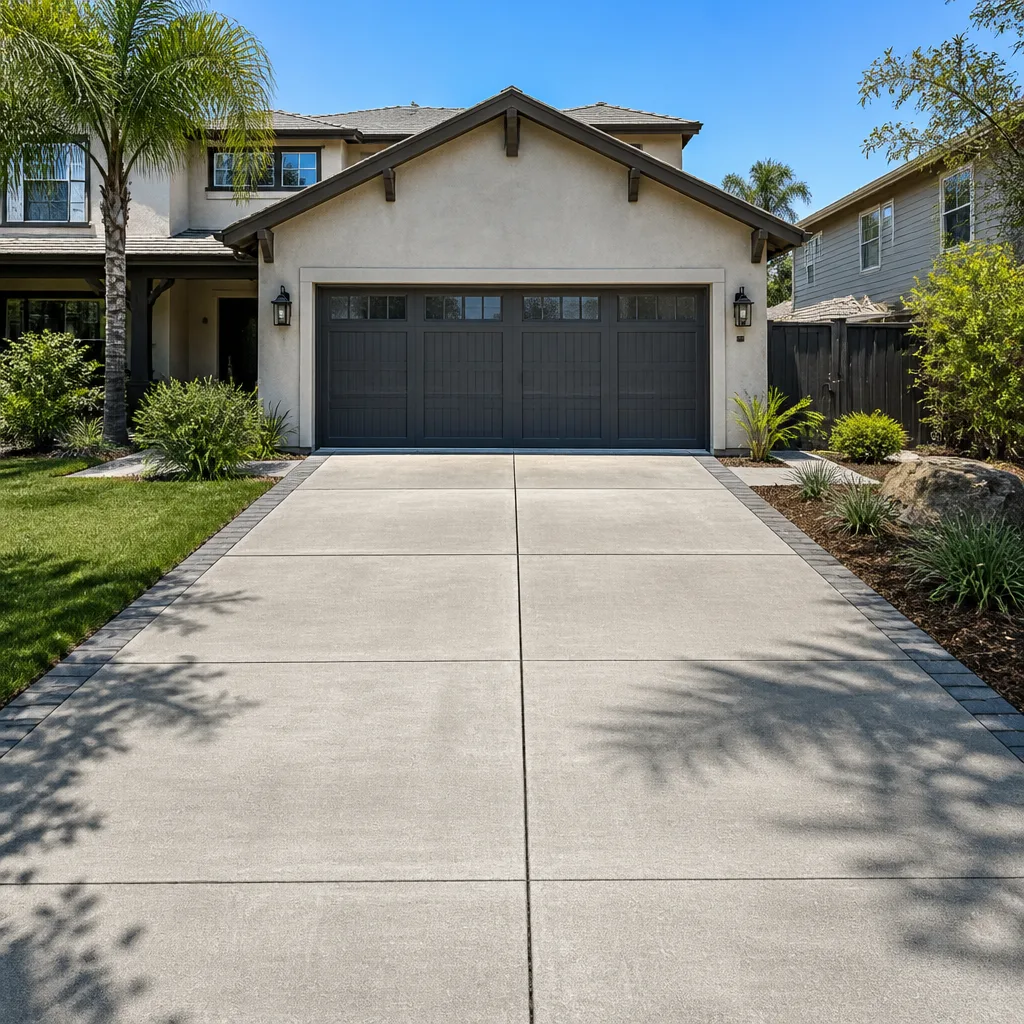
- Driveway & pavers
- Fence
See the difference
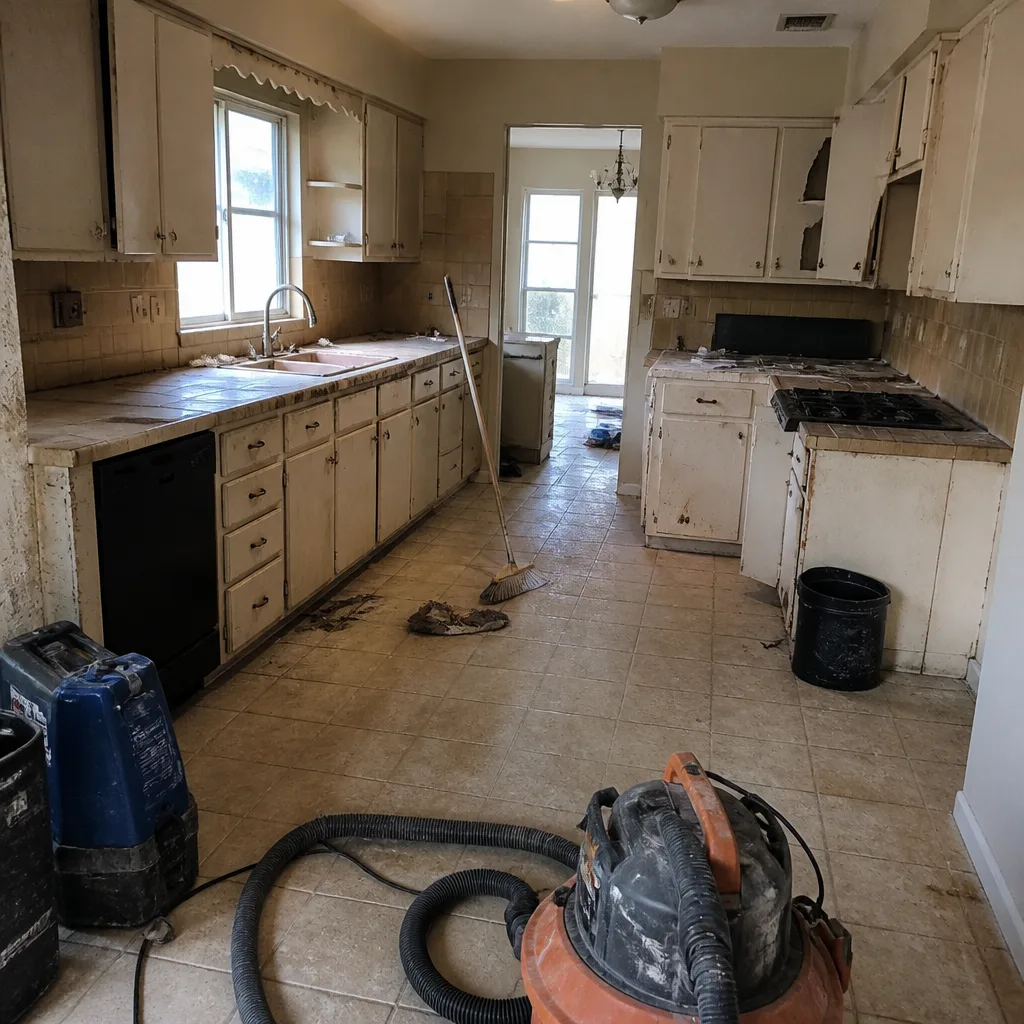 Before
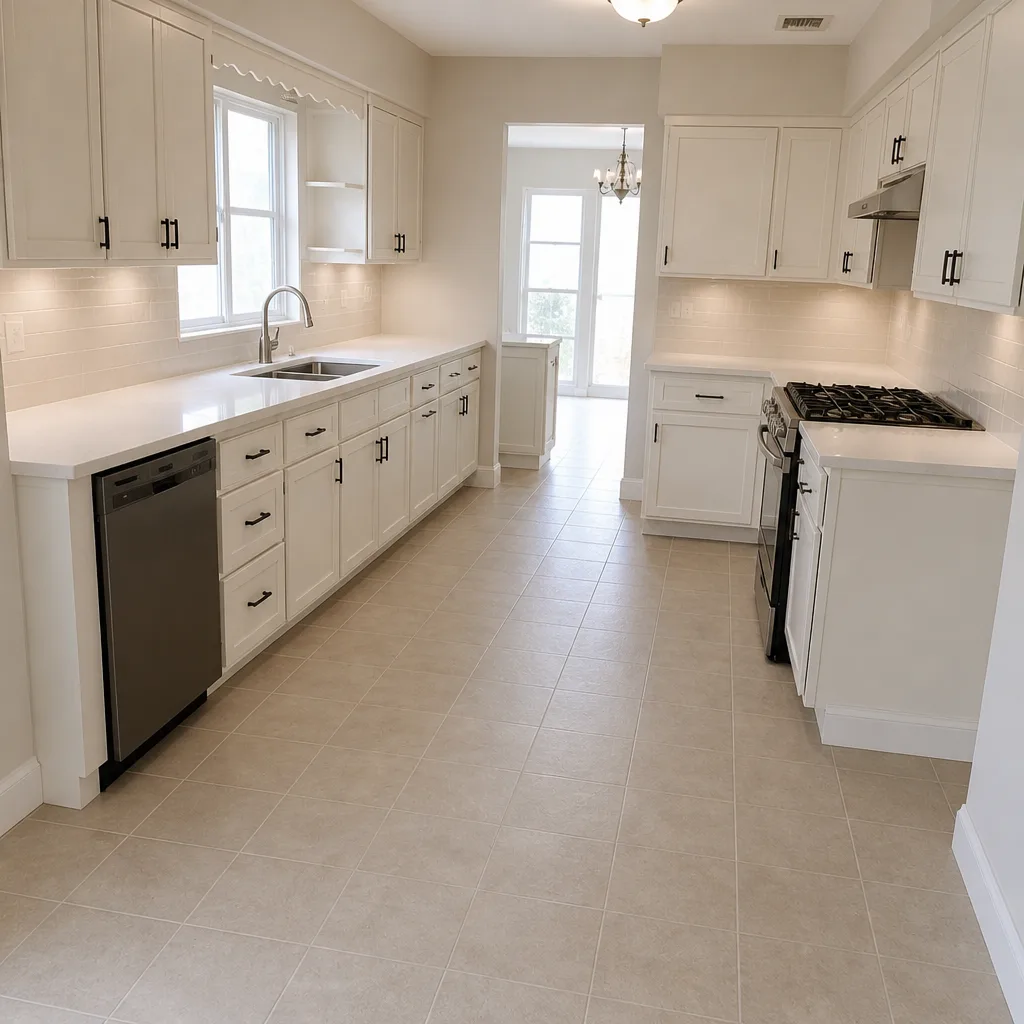 After
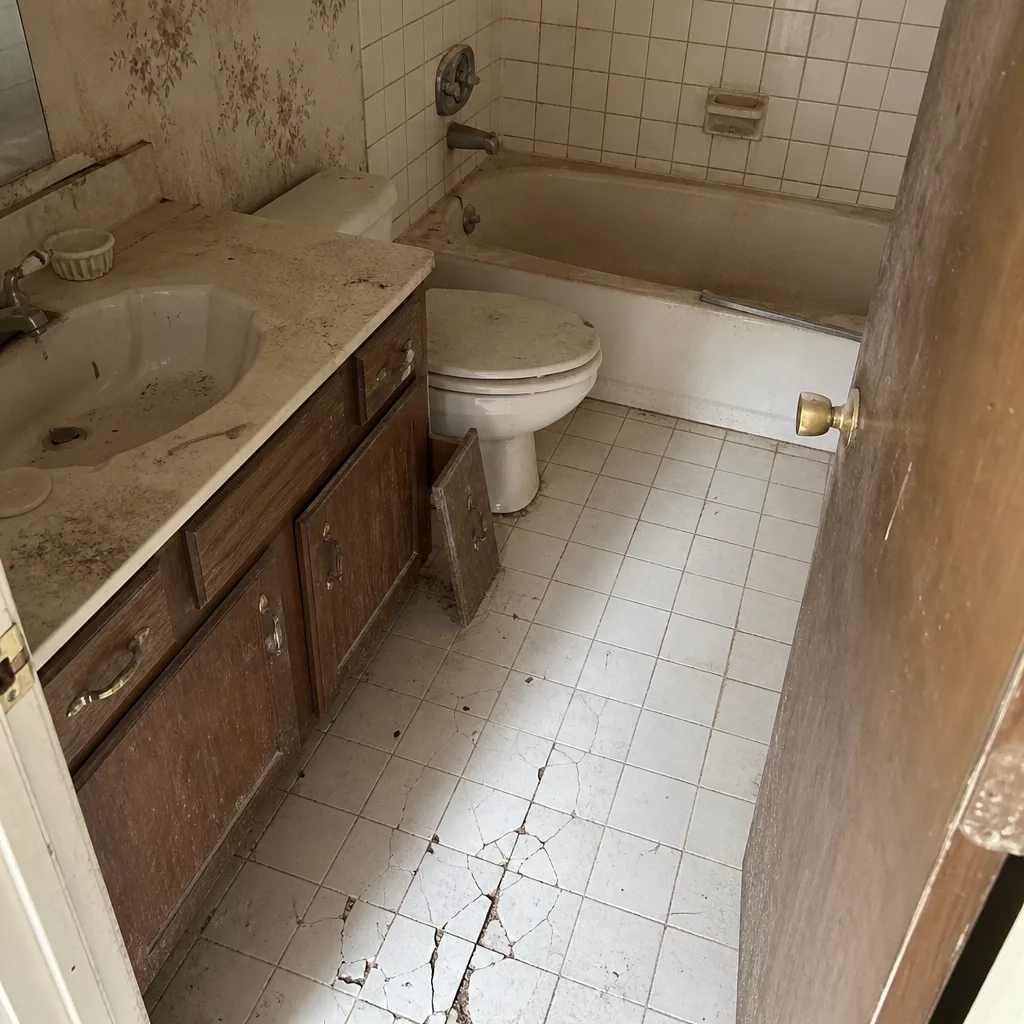 Before
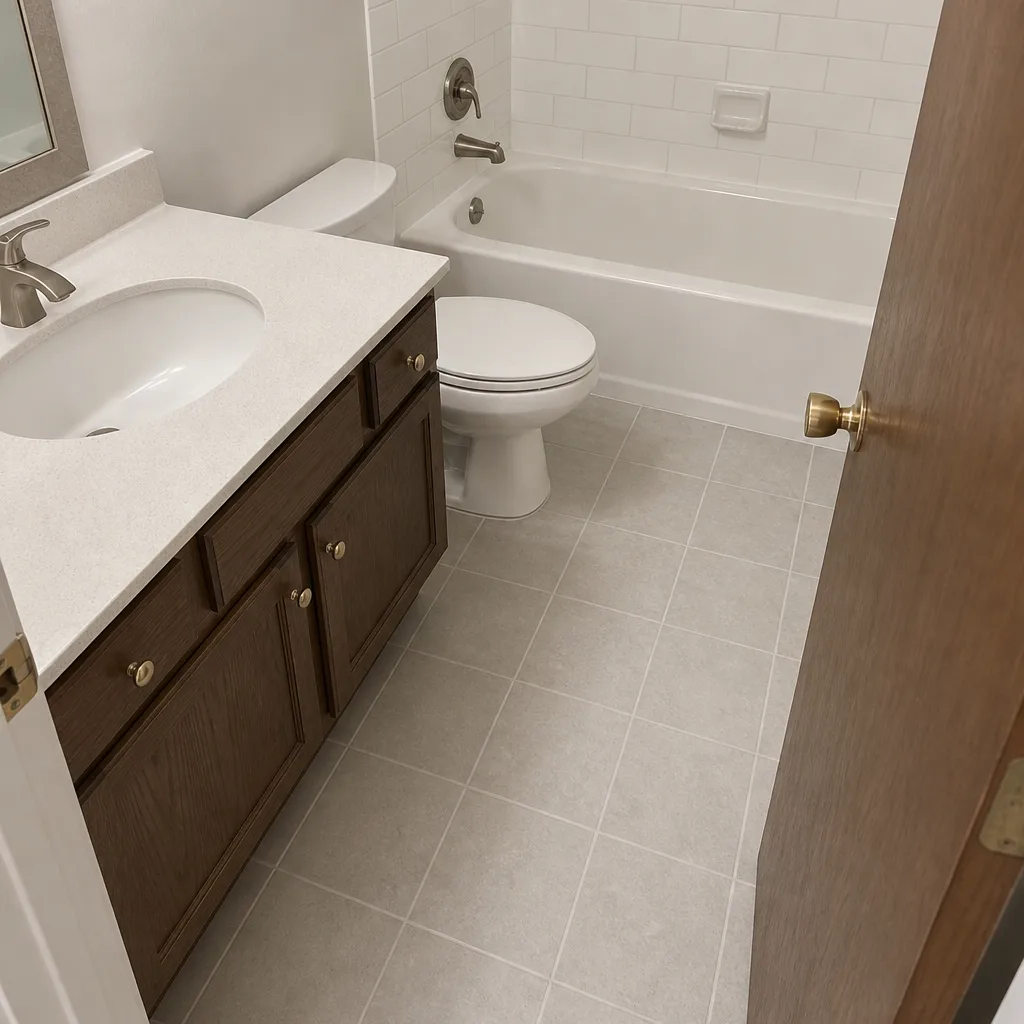 After
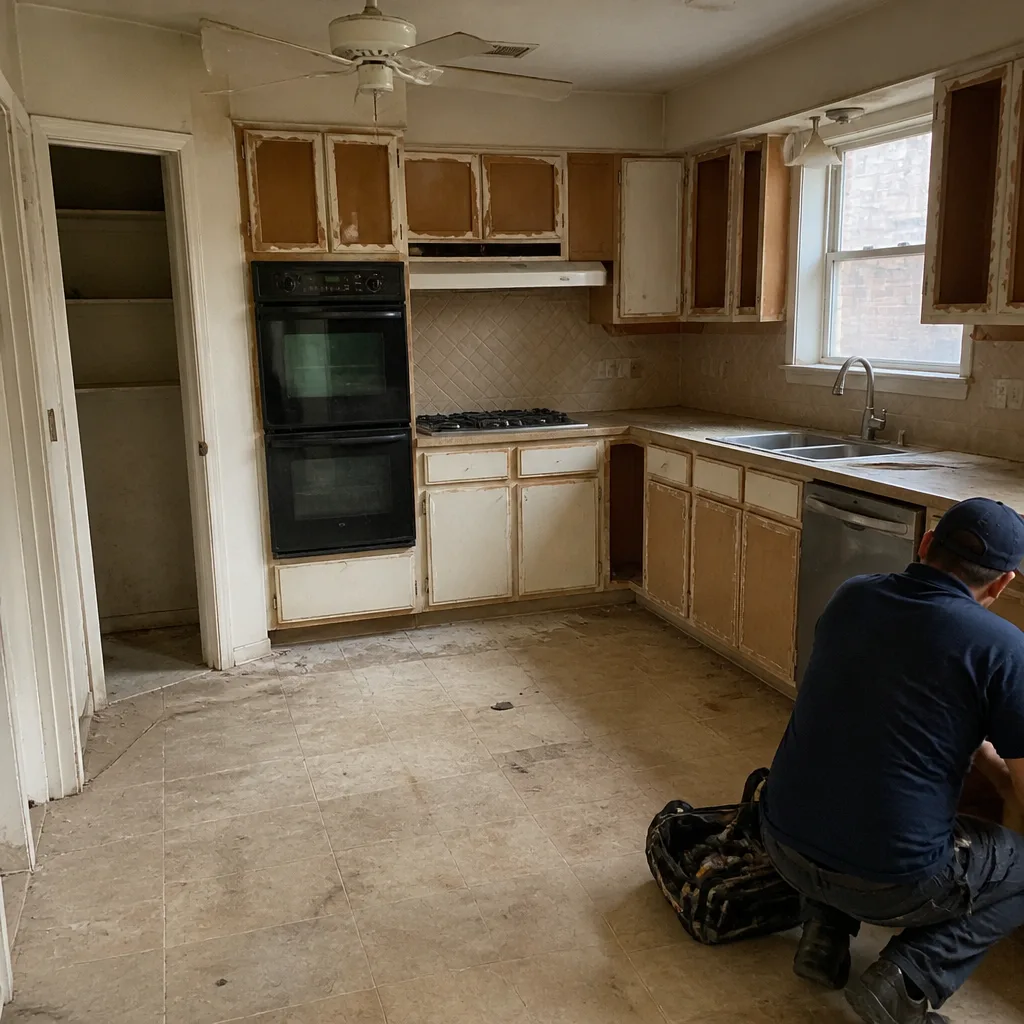 Before
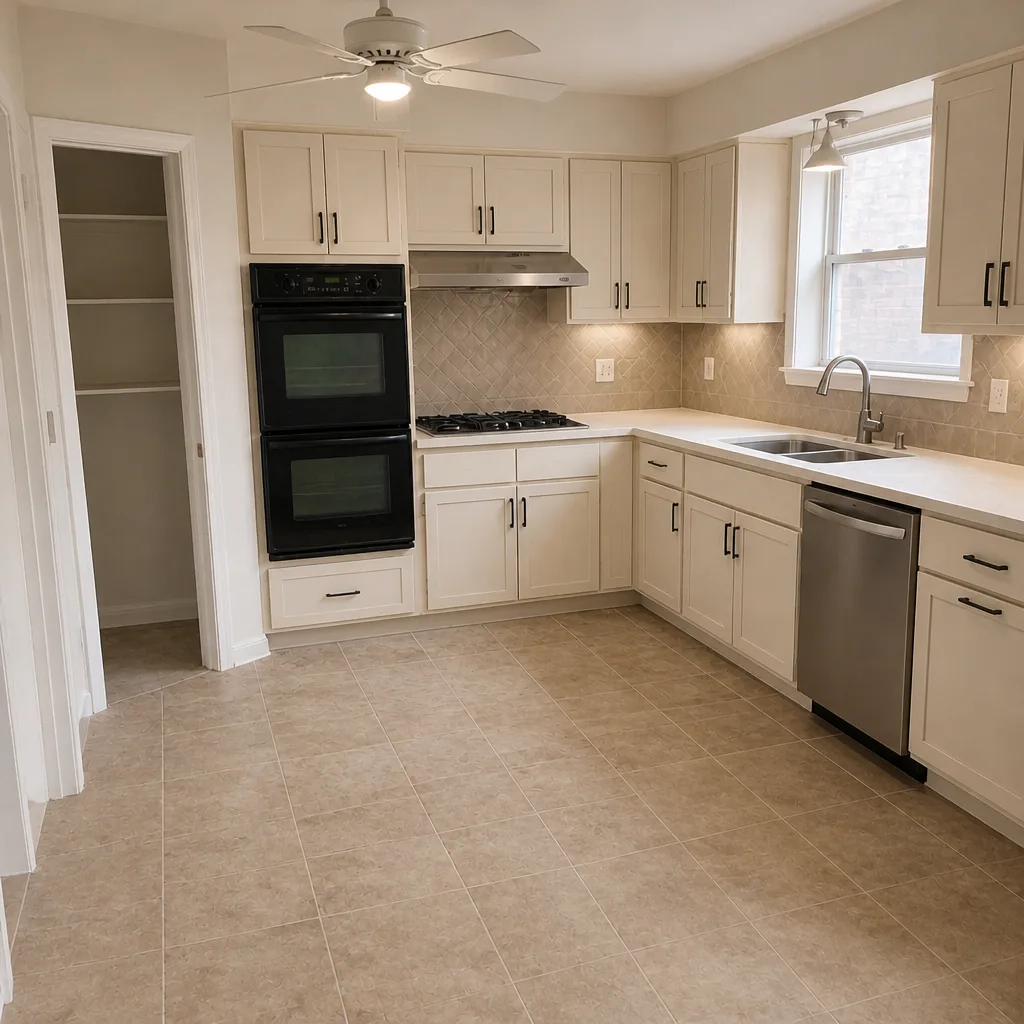 After
ADU Rules and Requirements in Plano, TX: What the State Law Doesn’t Tell You
Texas passed legislation meant to make accessory dwelling units easier to build statewide, but Plano’s own zoning code still controls the outcome on your lot, and it can say no even when state law says yes. Plano limits ADU size as a percentage of your main house, sets minimum lot thresholds that many older tract lots miss, requires a separate utility meter and service drop for most detached units, and in some subdivisions the HOA can block a detached ADU outright no matter what the city approves. If you’re weighing an ADU on a Plano lot and want a written price before you commit, call (844) 761-8346 for a free estimate.
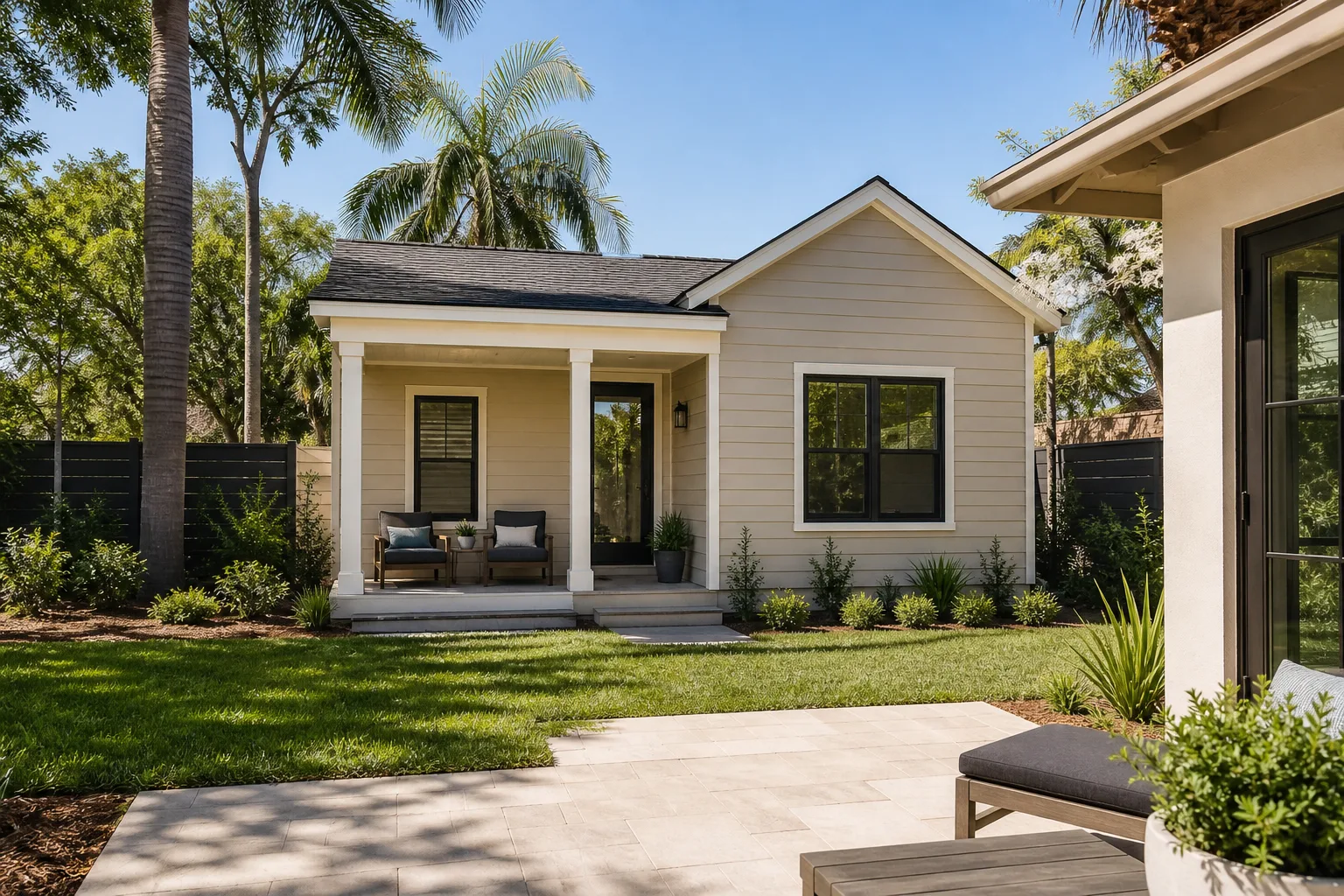
The gap between HB 1526 and Plano’s zoning code
HB 1526 got a lot of Texas homeowners searching “ADU rules” in the last year, and the summaries they find are written for the state, not for Plano. State law sets a floor of what municipalities may allow. Plano’s zoning ordinance sets the ceiling on what your specific lot will actually permit, and the two don’t line up on square footage, lot size, or utility hookups. That mismatch is where most of the frustration starts.
Three conditions in Plano trip people up most often. The first is size: Plano caps an ADU at a percentage of the primary dwelling’s floor area (commonly 50%, with a hard cap near 1,000 square feet), which means a detached unit behind a modest 1,600-square-foot ranch house is working with a much smaller envelope than the homeowner pictured. The second is lot size. Plano requires the lot itself to meet a minimum area threshold before an ADU is allowed at all, and certain tract lots in older subdivisions fall below it. A lot can be perfectly buildable for a house and still be ineligible for a second unit.
The third is utilities. In most configurations, Plano requires a separate meter and service connection for a detached ADU. That means a licensed electrician pulls a separate electrical permit and Oncor has to schedule a service connection inspection. This is a real line on your budget and two to four weeks on your calendar, and most ADU articles skip it entirely. We build it into the written quote because a price that omits the meter isn’t a price.
Why a Plano ADU costs more before the foundation is poured
Plano sits on slab-on-grade lots over expansive black clay that shrinks and swells through the wet-dry cycle, and the building department knows it. Before Plano will approve a foundation plan for a detached ADU, they want a geotechnical assessment, meaning a soil report from a licensed engineer. That report runs $800 to $1,500 and adds two to three weeks to pre-construction. It’s not optional here the way it might be on sandier ground, and it’s the item most out-of-town builders underestimate when they quote a Plano ADU from a template.
Because Plano is essentially built out, your project is almost always an infill or backyard build on an existing lot rather than new construction on open land. That changes the sequence: drainage corrections, existing utility locates, and tight equipment access through side yards all shape the price before anyone talks about finishes. On a Deerfield or Russell Creek lot with mature trees and a narrow side gate, the concrete pump and the excavation schedule are cost items, not details.
Here’s the range we quote for Plano ADU work, and it holds across every project we price:
| ADU project type | Typical cost in Plano |
|---|---|
| Detached ADU construction | $90,000-$220,000 |
| Garage conversion to ADU | $30,000-$80,000 |
| Attached addition (in-law suite) | $45,000-$130,000 |
| Soil/geotechnical report (allowance) | $800-$1,500 |
| Separate utility meter & service connection | Quoted as its own line item |
Every one of those figures lands in writing before work begins, per Clause 1 of the Haven Standard: the price is written before anyone picks up a tool. Permit fees, the utility connection, and the soil report appear as separate dollar figures, never folded into a vague “site work” bucket. If you bring a competitor’s estimate, we’ll review it line by line at no charge under our Free Second Opinion offer, and that’s usually where missing meter and soil allowances surface.
When the HOA overrides the city
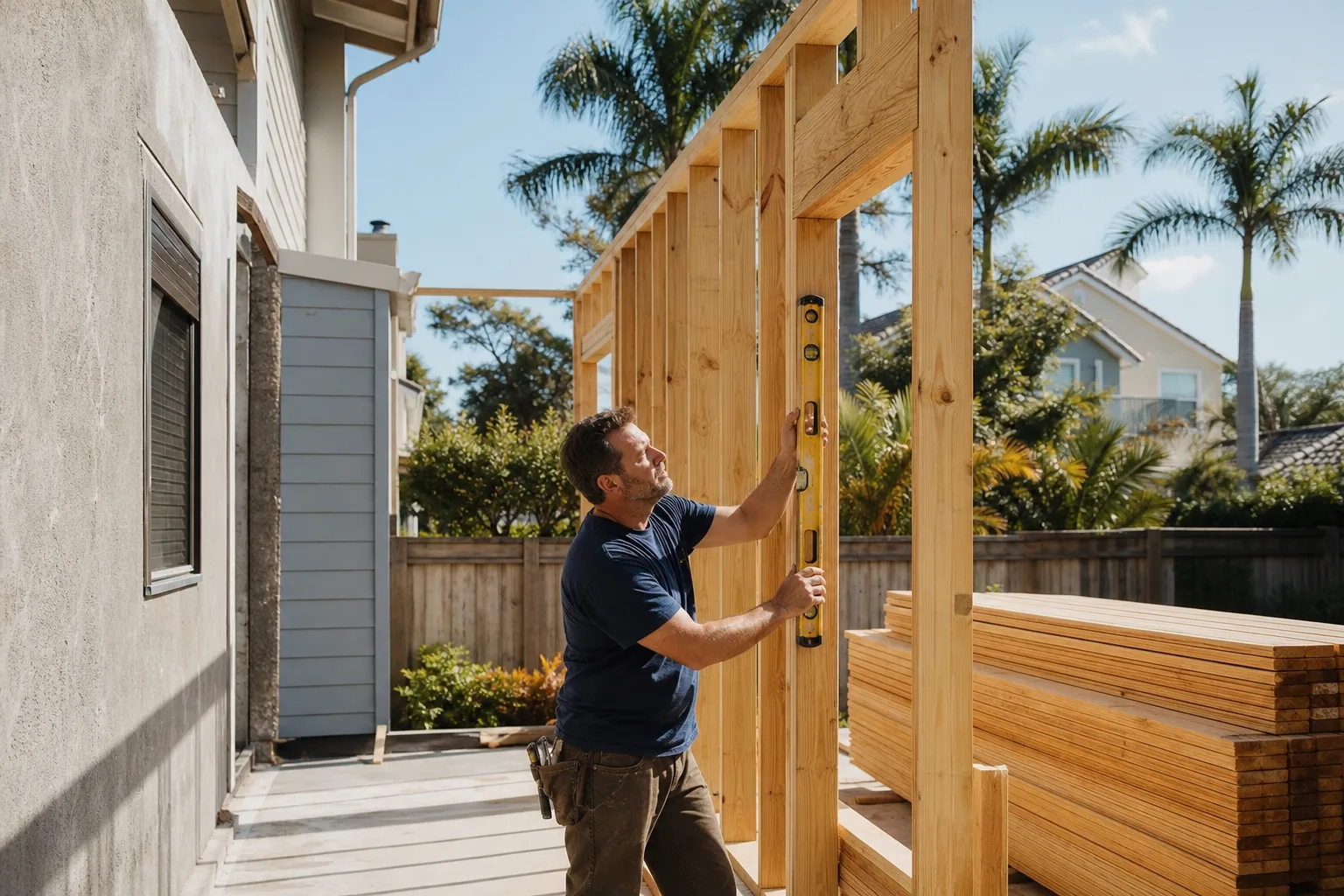
A Plano permit is not the last word. Private deed restrictions in subdivisions like Legacy West and Willow Bend can prohibit detached ADUs entirely, and the HOA’s CC&Rs take precedence over city zoning approval. A homeowner can spend months on a design and a permit application only to learn the architectural review committee won’t approve a second structure in the backyard. Check the CC&Rs before the survey, not after the deposit.
We read the deed restrictions as part of pre-construction on any Home Additions & ADU project, along with the plat, the setback requirements, and the utility easements, because a buildable envelope on paper and a buildable envelope under HOA review are two different things. It’s the same discipline that applies to our Home Additions & ADU in Plano work, and it’s why the quote holds together once the crew shows up. Our technicians have up to 19 years of experience, are background-checked and uniformed, and every visit includes a documented photo record as standard, not an upgrade.
You can reach a live person at any hour, and we back the work with the 365-Day Done Right Promise: if it isn’t done right, we make it right. The home team quotes every ADU and addition with the same written scope and written warranty, and no change moves forward until a signed change order is in hand.
Common Plano scenarios we see on ADU consultations
- A Willow Bend lot with an HOA that bans detached units. The city would approve it; the HOA won’t. A garage conversion or an attached suite often gets through where a detached structure can’t.
- A Russell Creek tract lot under the minimum area. The lot is fine for the house and short for a second unit. An attached addition or a garage conversion is the workable path.
- A 1990s builder-grade home with a backyard slope. Drainage correction and a soil report come before the foundation. Budget the $800-$1,500 report and the grading line together.
- A homeowner who bought at a high price and needs the ADU to earn rent. The separate meter matters for the tenant’s utility bill, and the Oncor connection timeline sets the move-in date.
FAQs
Detached ADU construction in Plano typically runs $90,000 to $220,000, while a garage conversion lands at $30,000 to $80,000 and an attached in-law suite runs $45,000 to $130,000. The spread comes from lot conditions, the soil report, and the separate utility connection more than finishes. Call (844) 761-8346 for an exact quote, and estimates are free.
No. HB 1526 sets a statewide framework, but Plano’s zoning code still caps the ADU’s square footage as a share of your main house, requires the lot to meet a minimum area threshold, and requires a separate meter for most detached units. A Plano lot that falls below the area threshold can’t take an ADU even though state law allows them generally. Call (844) 761-8346 and we’ll check your lot against the current code.
Yes, if the subdivision’s CC&Rs prohibit detached structures or accessory units. Legacy West and Willow Bend deed restrictions can override a city permit, so the HOA’s architectural review committee has to approve before you build. Call (844) 761-8346 and we’ll flag the restriction during the free second opinion on any written estimate.
Yes, in nearly every case. Plano’s building department won’t approve a detached ADU foundation plan without a geotechnical assessment, because the expansive clay across Plano’s slab-on-grade subdivisions moves with the wet-dry cycle. Budget $800 to $1,500 and two to three weeks for the report before construction starts. Call (844) 761-8346 to get that allowance into a written quote.
If you’d rather have it looked at, Rowan Construction Group Plano offers a no-pressure assessment in Plano - call (844) 761-8346. We’ll bring the zoning limits, the HOA restrictions, the soil report, and the utility connection onto one written price so you know what the ADU actually costs before anyone picks up a tool.
Written by the team at Rowan Construction Group Plano, serving Plano, TX.