Last updated November 18, 2026


Free written scope consultation - allowances, timeline, and change-order rules on paper before a single trade is scheduled
How Long Does Fence Installation Take? Timelines and What to Expect
Here’s the number that surprises most homeowners: the average wood privacy fence in Plano takes one to two days to install and four to six weeks to actually finish. That gap is where nearly every scheduling argument between a homeowner and a contractor begins. The installation crew is done on a Tuesday; the project still isn’t closed out until the following month. This guide breaks the timeline into the five phases that actually drive the calendar – permit pull, utility locate, material lead time, the build itself, and final inspection – so you can tell the difference between a contractor who is being honest with you and one who is promising a timeline nobody could keep.
Quick Answer
A typical fence installation takes one to three days of on-site labor, but the full project usually runs two to six weeks from signed contract to finished fence. The variables that move that number are permit approval, the 811 utility locate, and material lead time for your chosen fence style – not the install itself.
Styles & brands we work with
- Kitchen remodeling
- Bathroom remodeling
- Home additions & ADU
- Roofing
- Windows & doors
- Driveway & pavers
- Fence
Table of Contents
- The Five Phases of a Fence Installation
- Does a Fence Need a Permit in Plano?
- The 811 Utility Locate: 48 to 72 Hours You Can’t Skip
- How Material Choice Shifts the Schedule
- Why North Texas Clay Changes the Cure Time
- What Causes the Most Common Delays
- Final Inspection and HOA Closeout
- Common Mistakes to Avoid
The Five Phases of a Fence Installation
Before anyone swings a post-hole digger, five separate phases have to clear. Treat them as a sequence with hard dependencies – skip a step and the whole calendar slips. In our experience installing fences across Plano, the phases break down like this:
- Permit pull (0 to 10 business days). Depends on fence height, lot position, and whether your HOA or the City of Plano has jurisdiction. We’ll cover the thresholds in the next section.
- 811 utility locate (2 to 3 business days by law, occasionally longer). Texas requires a call to 811 at least 48 hours before digging. Most locates complete inside 72 hours.
- Material delivery (2 days to 4 weeks). Cedar and standard chain-link are usually stock items; ornamental aluminum can run 2 to 4 weeks, and specialty composites can take longer.
- Installation (1 to 3 days). For a standard 150- to 200-foot residential run, one to two days for wood, two to three days for masonry or composite with post curing.
- Final inspection and closeout (0 to 10 business days). Required only if a permit was pulled or the HOA requires sign-off.
The practical takeaway: if your contractor quotes you “two days,” that’s the installation phase only – nobody is being lied to, but nobody is being clear either. When we put a written scope and a written price on a fence project in Plano, the schedule is broken into those five phases so the homeowner can see exactly where the calendar is being spent.
Does a Fence Need a Permit in Plano?
In most of Plano and the surrounding Collin County suburbs, a residential fence under 6 feet in height typically does not require a building permit, while a fence 6 feet or taller, or any fence on a corner lot within sight-distance triangles, generally does. The precise threshold and sight-line rules are set by Plano’s Development Services department and should be confirmed on the specific lot before any material is ordered.
The practical points to verify:
- Height threshold. Fences up to 6 feet are typically a non-permit item for a standard interior lot. Fences above 6 feet usually require a permit and sometimes a variance depending on the zoning district.
- Corner lots and sight distance. Fences near a driveway approach or intersection are restricted so drivers can see cross traffic. This is where most surprises live in Plano neighborhoods like Deerfield, Willow Bend, and Kings Ridge.
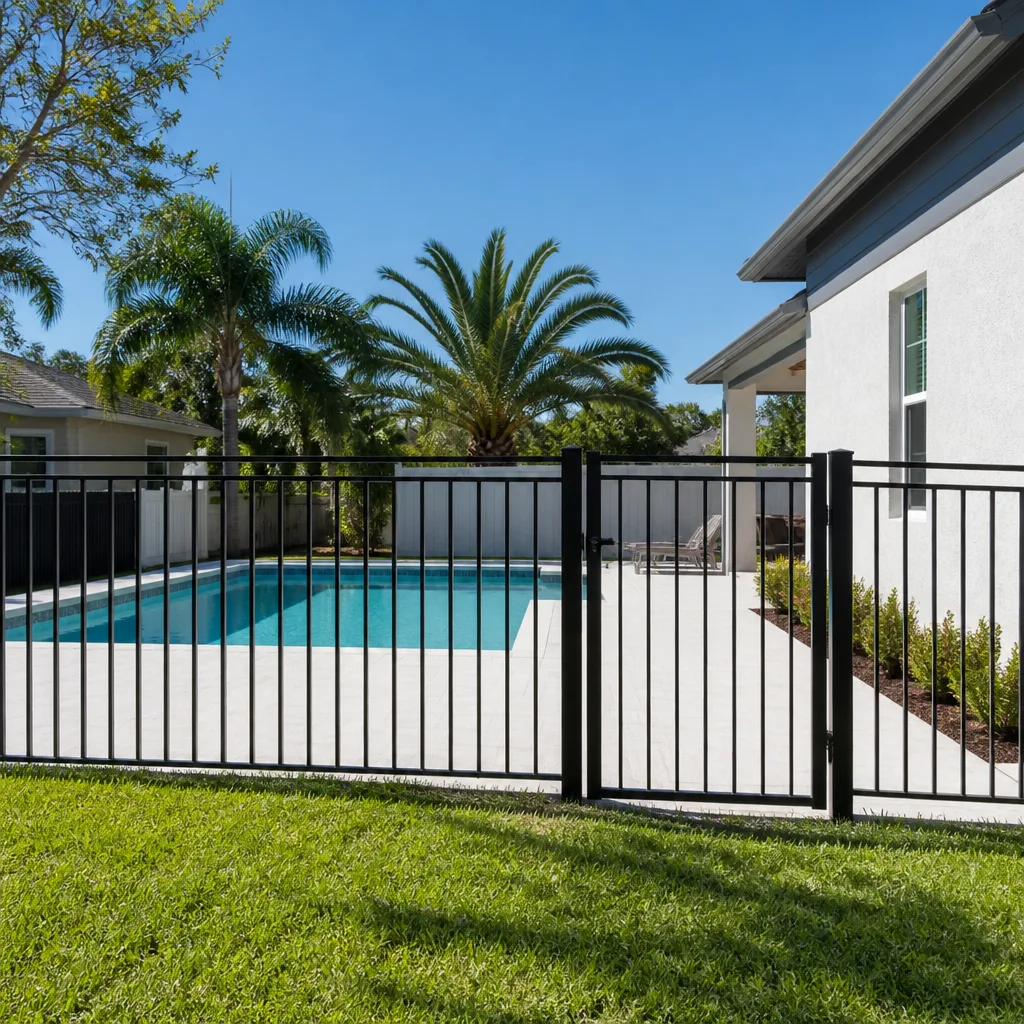
- Pool enclosures. A fence serving as the barrier for a swimming pool falls under a different review path and is held to a higher standard – don’t assume it rides along with a standard fence permit.
- HOA rules. Many Plano HOAs require written approval for fence material, height, and color even when the city doesn’t. That HOA review can add 5 to 15 business days before material is ordered.
- Plat and easement restrictions. Fences over public utility easements or drainage channels can be restricted. If your lot backs to a greenbelt or drainage easement, that’s a call worth making before you buy pickets.
Permit turnaround inside Plano’s online portal is often 3 to 10 business days for a residential fence. When the City comes back with a correction on the plot plan or sight-line, that resets the clock – which is exactly why we pull permits before we place a material order, not after. Under Clause 1 of the Haven Standard, the price is written before anyone starts, and permit fees are itemized in that quote rather than tucked in later.
The 811 Utility Locate: 48 to 72 Hours You Can’t Skip
Before a single post hole is dug, Texas law requires a call to 811 at least 48 hours in advance so utility companies can mark buried lines. In most North Texas jobs, the locate comes back within two to three business days. Skip it and you risk hitting a gas, water, sewer, or irrigation line – which turns a two-day job into a two-week excavation.
The locate itself isn’t the surprise. What’s discovered during the locate is. Here’s what we’ve seen on Plano lots:
- Unmarked private lines. 811 covers public utilities only. Sprinkler systems, landscape lighting, gas grill lines, and pool equipment feeds are private and must be marked by the homeowner or a private locator – usually $75 to $200 in the Plano market.
- Buried debris. Older Plano lots sometimes have abandoned fences, footings, or tree stumps under the grass line. Hand-digging test holes on a few post locations before the crew arrives is cheaper than discovering on install day.
- Utility conflicts. A buried cable or conduit right where a post needs to sit may require a shift, a spacer, or a redesigned post spacing. Each of those adds a day and often a small change order.
- Easement conflicts. Sometimes the locate reveals a line inside a public utility easement where the fence shouldn’t be set to begin with. That’s a design conversation, not a build conversation.
The habit that keeps a fence installation on schedule: call 811 the day the contract is signed, not the day before install. When 811 is running alongside the permit and the material order, none of the three becomes the bottleneck.
How Material Choice Shifts the Schedule
Material lead time is the least-discussed variable and often the largest. A fence style that’s on the shelf moves the whole project forward a week to a month versus a style that has to be manufactured. The table below is the range we typically see in the Plano market:
- Cedar privacy fence. Typically a stock item. 2 to 5 business days for delivery once the order is placed. The most predictable material in the residential market.
- Pressure-treated pine privacy fence. Stock item, similar lead time to cedar, generally lower material cost.
- Chain-link fence. Stock item, with 2 to 5 business days typical. Galvanized or vinyl-coated variants usually still stock.
- Ornamental aluminum. Manufacturer-dependent. Brands like Jerith commonly run 2 to 4 weeks between order and delivery. Rackable or pre-assembled panels ship faster than custom cut-to-length.
- Composite or simulated stone. 3 to 5 weeks is not unusual on specialty runs, especially for color or profile selections outside the standard catalog.
- Masonry and brick with piers. Material often stock, but the mortar cure adds 24 to 48 hours of sequencing time per section before the fence panels go in.
Two practical questions to ask any contractor before signing: “Is this material in stock at the supplier today, or ordered?” and “If it’s ordered, what’s the manufacturer-quoted lead time in writing?” Those two answers tell you more about your real completion date than the installation schedule does. On the Rowan side, our sourcing depth across fifty-plus vetted brands – including Belgard and Techo-Bloc for hardscape coordination, GAF and Owens Corning for roofing overlaps on the same property – means the quote we hand over usually includes a specific stock or lead-time status next to the material line.
Why North Texas Clay Changes the Cure Time
Post holes set in concrete need 24 to 48 hours to cure before fence panels are hung, and the soil beneath the concrete matters. Plano sits on expansive clay soils that swell when wet and shrink when dry – the same clay that causes foundation movement in a lot of Collin County homes. A post that’s set and immediately loaded with panels can tilt within a season.
The sequence that holds up:
- Dig the holes to depth. Local practice is typically 24 to 36 inches for a standard 6-foot privacy fence, deeper for gate posts and corner posts.
- Set the post in concrete and let it cure. 24 hours minimum for a standard post; 48 hours is safer for corner posts and gates, which take the most load.
- Return to hang panels. A crew that sets posts one day and returns the next to run rails and pickets is prioritizing your fence’s lifespan over its speed.
Two Plano-specific wrinkles. First, the black clay doesn’t drain well – a post hole in a low spot will hold water longer, and concrete cure is slowed in cold-weather months. Second, summer heat above 95 degrees can dry the top of the concrete too fast, causing surface cracking. Neither is a reason to delay, but both are reasons a contractor who quotes you “we’ll be done this afternoon” on a 200-foot run is showing you exactly how much they care about the fence in year five.
What Causes the Most Common Delays
If your fence installation slips past its planned completion, the cause is almost never the crew. It’s one of the four issues below. Realistic day-counts attached to each:
- Survey disputes with neighbors (1 to 4 weeks). The most common cause of a stalled fence project in Plano. If the property line isn’t clearly marked and the neighbor objects once the crew arrives, the fence stops. A boundary survey from a licensed surveyor typically runs $400 to $800 in the Plano market and takes 1 to 3 weeks to schedule – worth doing before install, not after.
- Utility conflicts found at locate (2 to 5 days). Sometimes longer if the utility company has to come out and confirm an unmarked line or approve a workaround. This is the delay most improved by calling 811 the day you sign.
- HOA approval lag (1 to 3 weeks). Plano HOAs are active. Written approval to use a specific material, height, or color can take a full architectural review committee cycle – usually monthly, sometimes quarterly. That’s the single largest calendar risk on a Plano fence project.
- Material backorder (1 to 4 weeks). Ornamental aluminum and specialty composite lines are the recurring culprits. Cedar and chain-link almost never are.
We’ve seen all four stack on a single project – a corner-lot fence in Willow Bend that ended up five weeks past its original target because the survey was late, the HOA wanted a material change, and the aluminum came in on backorder. None of it was unusual. All of it was foreseeable. Written phases and signed change orders don’t prevent those delays, but they make them visible to the homeowner in real time instead of arriving as a surprise on install day.
Final Inspection and HOA Closeout
If a permit was pulled, a final inspection usually happens within 1 to 5 business days of the crew leaving, and the fence is not officially “closed out” until it passes. In Plano, the inspector is typically checking post depth, post spacing, height, and sight-distance compliance on corner lots. Most residential fences pass on first inspection. When they don’t, it’s usually one of three things: a post depth that wasn’t verified, a height that landed an inch over the plan, or a sight-line concern the plot plan didn’t capture.
What a homeowner should receive at closeout:
- The inspection approval or a copy of the inspection record.
- A written warranty on materials and workmanship. Under Clauses of the Haven Standard, ours is a full 365-Day Done Right Promise – if it isn’t done right, we make it right, and the terms are printed rather than tucked into an asterisk.
- A documented photo record. We photograph post depth, concrete set, panel spacing, and the finished run on every visit, and the homeowner keeps the record. That’s a standard deliverable, not an upgrade.
- Any HOA sign-off required by your community’s architectural review committee.
- Final invoice matching the written quote, or the signed change orders explaining any difference.
The paperwork portion of a fence installation is the part that gets compressed by rushed contractors and it’s the part worth slowing down for. A fence is a 15- to 25-year structure. The closeout record is what protects you if something fails in year two.
Common Mistakes to Avoid
- Ordering material before the HOA approves. We’ve watched homeowners take delivery of a $6,000 aluminum fence that matched a color the HOA then declined to approve. Wait for written HOA sign-off before any order is placed.
- Skipping the survey when the property line is unclear. Older Plano lots in neighborhoods like Deerfield and Hunters Glen often have fences a few inches off the recorded line. Discovering that after install is expensive; discovering it before install is a phone call.
- Calling 811 on installation morning. Texas law requires 48 hours’ notice and the locate must be complete before digging. A crew that shows up without a locate is a crew that will either delay the job or dig blind.
- Treating “in stock” as a verbal promise. Ask for the supplier name, the stock status, and the date the material was confirmed available. A one-line email beats a phone promise every time a truck is late.
- Accepting a quote without a written scope. A written price with a vague scope is not a price. The quote should list post depth, post spacing, concrete specification, rail count, picket material and grade, gate hardware, and who pulls the permit.
- Guessing at the permit threshold on a corner lot. A 6-foot fence on an interior lot and a 6-foot fence in a sight-distance triangle live on different rules. Confirm the lot type before assuming you’re below threshold.
- Paying in full before the final walk-through. Hold the final payment until the photo record, the inspection record, and the written warranty are in hand. On a Rowan job, that sequencing is written into the contract, not negotiated at the end.
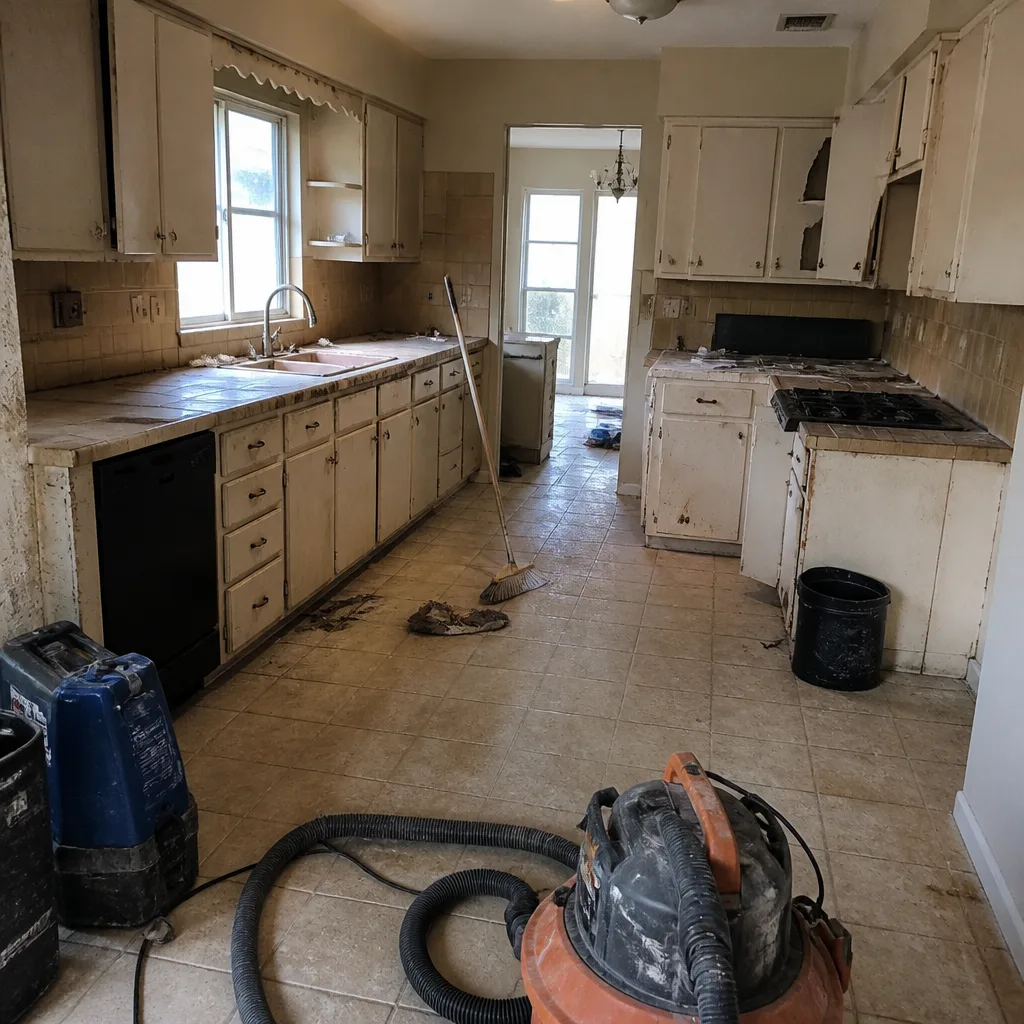
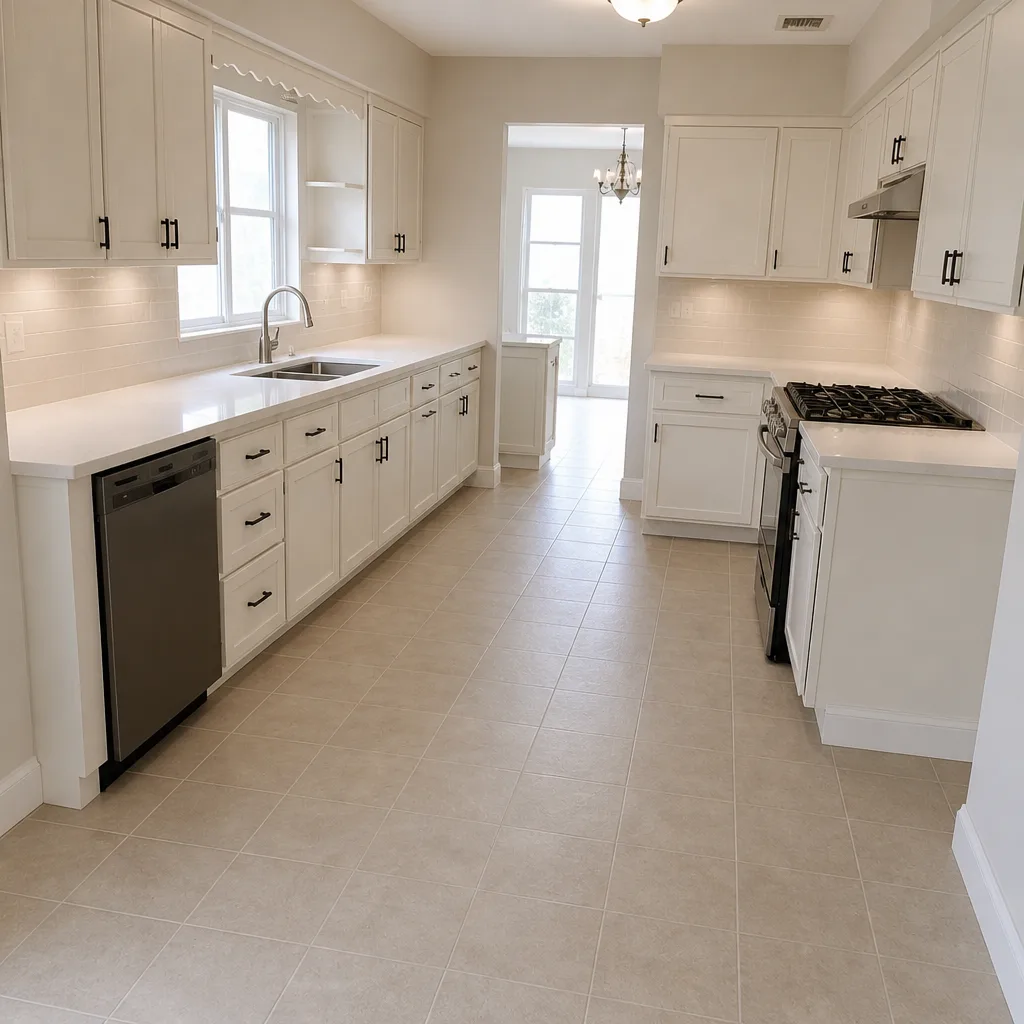
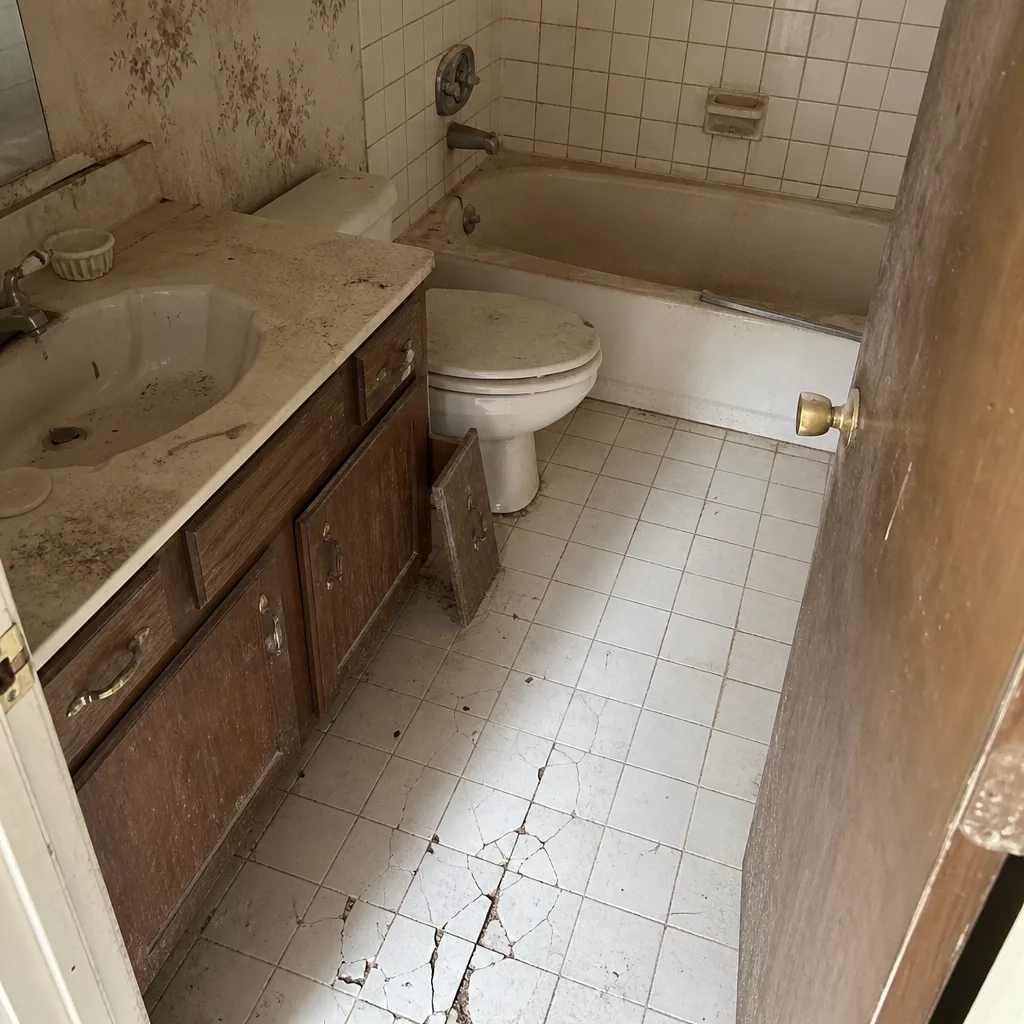
See the difference
 Before
 After
 Before
 After
 Before
 After
When to Call a Professional
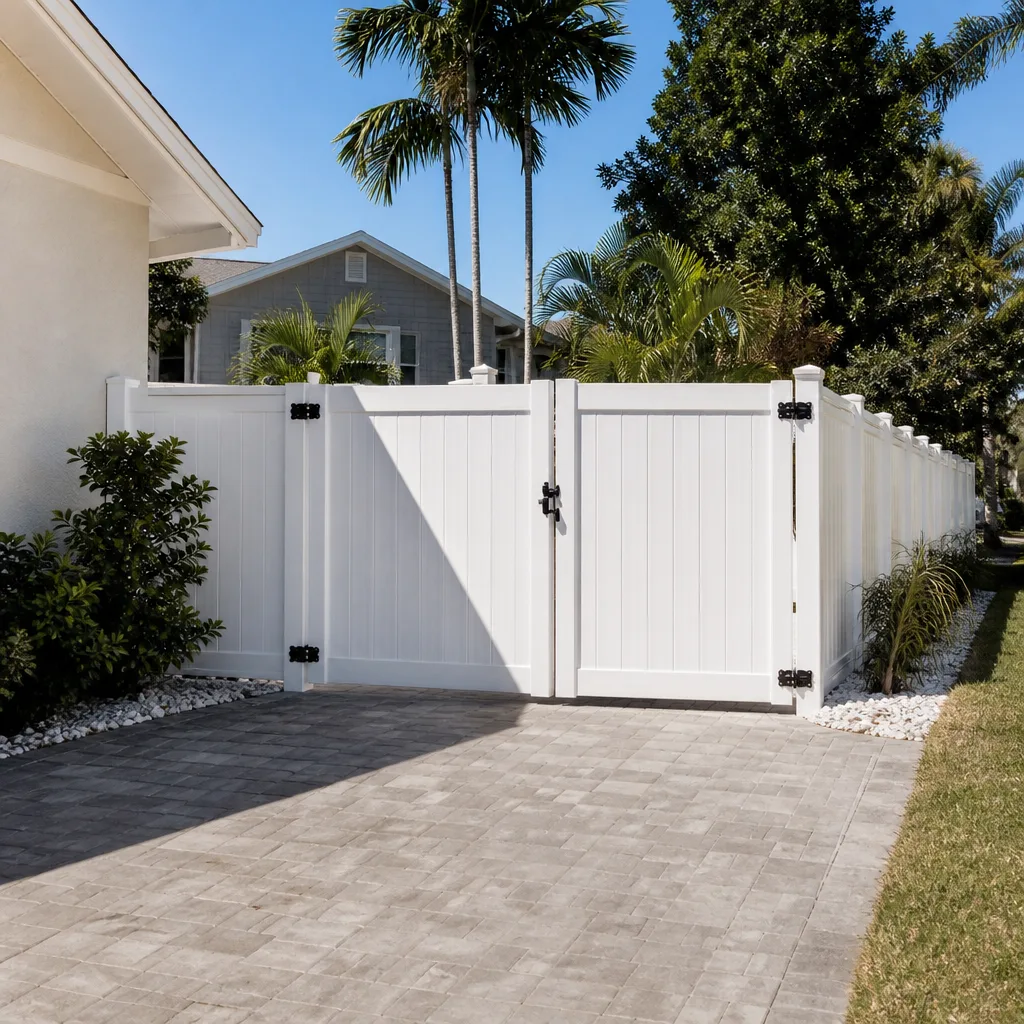
Fence work looks straightforward from the yard next door, and most of the time it isn’t. Call a professional when any of the following is true: the property line hasn’t been surveyed and the neighbor is uneasy about placement; the fence crosses or sits near a utility, drainage, or public easement; the design includes masonry piers, gates over 4 feet wide, or a pool enclosure barrier; the fence is over 6 feet tall or sits on a corner lot with a sight-distance concern; or the material is a specialty line – ornamental aluminum, composite, or custom-cut cedar – where lead time and installation technique both matter. On a pool barrier specifically, an improperly anchored or spaced fence is a safety risk, not a cosmetic one, and it needs a professional to get it right.
Rowan Construction Group Plano offers free estimates in Plano – call (844) 761-8346. We bring the five-phase schedule in writing, name the material brand and its stock status next to the price, pull any required permit, and hand over the photo record and written warranty at closeout. If you’re already holding a written quote from another contractor, we’ll review it line by line at no charge as a free second opinion. You can see how we handle the full Fence Installation in Plano scope here, and if the fence project is part of a larger outdoor buildout, our Driveway & Pavers in Plano page covers the coordination we run between hardscape and fence crews.
Frequently Asked Questions
One to three days of on-site installation for a typical residential fence, but the full project usually runs two to six weeks from signed contract to finished fence once permit, 811 locate, and material lead time are counted. The most common reason a Plano fence project runs past four weeks is HOA architectural approval lag, not crew speed. Call (844) 761-8346 for a phase-by-phase schedule and a written price on your specific project.
In most cases, no – residential fences at 6 feet or under on standard interior lots typically don’t require a City of Plano building permit, while fences above 6 feet or in certain corner-lot sight-distance conditions generally do. Your HOA may still require written approval regardless of city rules. Confirm the specific lot before ordering material; the cost of pulling an unnecessary permit is small compared to the cost of tearing down and rebuilding a fence after a stop-work notice.
Two to three business days in most North Texas cases, with a legal minimum of 48 hours’ notice before digging. Private lines – irrigation, landscape lighting, grill feeds, pool equipment – are not covered by 811 and must be marked by the homeowner or a private locator, which usually runs $75 to $200 and adds one to two days. The single biggest schedule gain on a fence project is calling 811 the day the contract is signed.
Not without your signature. Under Clause 1 of the Haven Standard, the price is written before any work starts, and no change proceeds on a change until the change order is signed. The three most common reasons a fence price moves after the quote are an unforeseen utility conflict at the locate, a neighbor dispute that changes the fence line, and a material substitution requested by the homeowner. Each of those is documented in writing and priced before we act on it.
Cedar is a stock item at most suppliers and typically delivers in 2 to 5 business days. Ornamental aluminum from brands like Jerith commonly runs 2 to 4 weeks between order and delivery, and specialty colors or custom lengths can run longer. Installation speed is comparable once the material is on site – the difference is almost entirely in the lead time before the crew arrives.
Four things: the HOA written approval, the 811 locate complete (or scheduled), a plan for pets and vehicles to stay clear of the work area for the duration, and a quick conversation with your neighbor about the fence line and expected timing. Fences get built at the property line, which means your neighbor is part of the project whether they’re on the contract or not. A five-minute conversation in advance prevents most of the disputes we see. For more on the full outdoor scope including how we coordinate fence, hardscape, and other site work, see the Rowan Construction Group Plano home page.
The Bottom Line
The fence installation itself is fast. The weeks before the crew shows up are what decide whether your project finishes when the contract says it will. Pull the permit first, call 811 the day you sign, confirm material stock in writing, allow 24 to 48 hours of concrete cure before panels go up, and don’t place a material order until the HOA has approved in writing. Do those five things and a fence installation in Plano rarely surprises anyone. If you’d like a written schedule and a written price for your fence project – plus a free line-by-line review of any other quote you’re holding – our Home Additions & ADU team in Plano also fields project-coordination questions on larger site builds. Call (844) 761-8346 to schedule your free estimate.
Written by the team at Rowan Construction Group Plano.