Last updated November 18, 2026



Free written scope consultation - allowances, timeline, and change-order rules on paper before a single trade is scheduled
Driveway & Pavers Warning Signs Every Homeowner Should Know
A paver driveway that drops three-eighths of an inch relative to its neighbor in a single season is not settling. It is a base failure in progress, and we have watched Plano homeowners wait one more year on exactly that measurement and trade a $400 repair for a $2,800 excavation. The difference between cosmetic and structural on pavers is not a matter of opinion. It is measured in joint gaps, vertical displacement, and edge restraint movement, and each threshold has a dollar figure attached to it. This guide shows you how to inspect your own driveway in twenty minutes, what to record, and why the calendar is the most expensive variable in the whole equation.
Quick Answer: How Do You Tell Cosmetic Wear From Structural Failure?
Cosmetic wear is surface discoloration, scattered hairline chips, and faded joint sand. Structural failure is a joint gap wider than 3/8 inch, vertical displacement between adjacent pavers over 1/4 inch, or visible movement of the edge restraint at the property line. On Plano’s expansive clay soils, the second category almost always traces back to a base that has lost compaction or an edge that has given way, and both get more expensive the longer you wait.
Styles & brands we work with
- Kitchen remodeling
- Bathroom remodeling
- Home additions & ADU
- Roofing
- Windows & doors
- Driveway & pavers
- Fence
Table of Contents
- The Measurement Thresholds That Separate Cosmetic From Structural
- How to Self-Inspect a Paver Driveway in 20 Minutes
- Why Plano Clay Soil Creates Specific Cracking Patterns
- The Cost Escalation Curve: Why Delay Multiplies Scope
- Nine Warning Signs, Ranked by Urgency
- What to Photograph Before You Call Anyone
- What Repair Actually Involves, and What It Costs
- Permits, Drainage, and HOA Rules in Plano
The Measurement Thresholds That Separate Cosmetic From Structural
Contractors use numbers to describe condition because feelings don’t translate into scope. When we assess a driveway, three measurements determine whether a repair is a spot fix or a partial rebuild. You can take all three yourself with tools that cost less than lunch.
- Joint gap width. Below 1/4 inch is normal seasonal movement. Between 1/4 and 3/8 inch is a watch item. Above 3/8 inch, sand is washing through the joint into an open void beneath, and the pavers are no longer interlocked. That is structural.
- Vertical displacement. The lip between two adjacent pavers. Up to 1/4 inch is tolerable on a slope transition. Above 1/4 inch, the paver above is cantilevered on a lost base and will crack under a full-size SUV.
- Edge restraint movement. The hidden aluminum or plastic edge that holds the field pavers in place. If you can move it, or see daylight under it at the property line, the field is losing its boundary and the failure migrates inward.
A fourth measurement many homeowners miss is the ring test. Tap the handle end of a screwdriver across the field in a grid. A hollow thud versus a solid click means voids under the paver. A hollow section of ten square feet is a spot repair. A hollow section of eighty square feet means the base layer and likely the subgrade have failed across an area too large to patch and match.
How to Self-Inspect a Paver Driveway in 20 Minutes
You need a 6-foot straightedge (a level works, or a straight 2×4), a digital level that runs about $12, a tape measure, and a piece of chalk. Do this on a dry afternoon, not after a rain, because you want to measure the pavers, not the puddles.
- Photograph the whole driveway first. Four corners, mid-slope, and both edge lines. Stand in the same spot for before-and-after consistency across seasons.
- Lay the straightedge across the field in a grid. Six lines across the width, four lines down the length. Anywhere you can rock the straightedge more than 1/4 inch, chalk the spot and photograph it with the straightedge visible in the frame.
- Read the slope with the digital level. Driveways need a minimum fall of about 2 percent away from the garage to shed water. Anything under 1 percent is pooling risk; anything over 5 percent on the apron is a safety concern for cars bottoming out.
- Measure the joint gaps. Pick ten of the widest joints and record each in inches to the nearest eighth. A cluster of wide joints in one direction is a pattern; wide joints scattered randomly are usually impact damage.
- Test the edge restraint. Push the top edge with your thumb; if it moves, mark it. Look for sand washing out at the property line after every rain.
- Ring-test the most suspect sections. Note square footage where the tap goes hollow, because that number directly sets the repair scope.
- Write down date, weather, and measurements. A single snapshot tells a contractor very little. Two snapshots three months apart tell a contractor whether it is still moving.
Every visit from our crews includes a documented photo record as a standard deliverable, and yours should too. When we pull onto a driveway in Plano, we’re photographing the same things you would, and we’re putting those images alongside our written scope so the customer knows exactly what we’re calling a hollow section and why.
Why Plano Clay Soil Creates Specific Cracking Patterns
Plano sits on the Blackland Prairie, and Blackland Prairie clay is the reasoning behind most of the driveway damage we see. That clay expands when it holds water and shrinks when it dries, and its volume change runs in the low double digits by percentage. A wet spring followed by a dry summer pulls moisture out of the subgrade, the clay pulls away from the paver base, and the pavers lose the support that made them work as an interlocked field.
This is why the pattern matters more than the size of any single crack. On Plano soils, cracks that run perpendicular to the slope line, roughly parallel to each other and repeating every few feet, follow the soil’s shrink/swell contours. They are telling you which direction the subgrade is moving. In our experience, the older neighborhoods along the creek corridors and near big tree cover see the widest seasonal swings, because mature trees pull moisture out of a shrinking band of clay and the driveway pays the bill.
Random, spidering, or single-point damage is different. That’s usually a dropped trailer hitch, a loaded delivery truck, or a paver that was installed without proper edge restraint and gave out under its neighbor’s load. Random damage is a spot repair. Patterned damage is a base story, and repairs that ignore the pattern will follow the same crack lines within two seasons.
The Cost Escalation Curve: Why Delay Multiplies Scope
This is the argument that matters most, and it’s simple arithmetic. A hollow base section of about ten square feet, caught early, is a lift-and-reset repair: pull the affected pavers, recompact the base, relay, and resand. In the Plano market that runs roughly $400, because the crew is in and out in a few hours and the pavers can be reused.
Let that same section grow to about eighty square feet over two wet-dry cycles, and the scope changes entirely. Now you’re excavating to the subgrade, lime-stabilizing or replacing failed clay, rebuilding the base in lifts, and matching pavers that may have faded enough that the new section reads as a patch. That number lands around $2,800 for the same driveway, and that’s before the drainage correction that usually rides along with a base rebuild.
- Under 10 sq ft, hollow, no edge movement: $350 – $550, lift and reset.
- 20 – 40 sq ft, one wide joint zone: $900 – $1,600, partial base repair with sand and polymeric joint refill.
- 60 – 80 sq ft, patterned cracking plus drainage: $2,200 – $3,200, excavation and base rebuild.
- Full driveway rebuild, 400 – 600 sq ft: $7,000 – $14,000 depending on paver selection from brands like Belgard or Techo-Bloc.
Every line above is a written price with a written scope before work starts. That’s the whole point of the way we quote. A customer with a hollow section can compare a $400 lift-and-reset against a $2,800 rebuild and make a rational decision on timing, instead of guessing from a verbal estimate.
Nine Warning Signs, Ranked by Urgency
Some signs mean “watch it this season.” Others mean “act this month.” The ranking matters because a homeowner with three of these signs shouldn’t treat them equally.
- Water pooling at the garage apron after rain. Act now. Water at the slab edge wicks toward the garage floor and the foundation, and the repair is cheaper than the water damage.
- Edge restraint lifted or shifted at the property line. Act now. The field loses its boundary and the failure travels inward.
- A single paver rocking underfoot. Act within 30 days. A rocking paver is a broken base and will fail its neighbors.
- Joint gaps wider than 3/8 inch in a repeating pattern. Act within 30 days. The pattern points to subgrade movement.
- Vertical lip over 1/4 inch between adjacent pavers. Act this season. Tire loads will crack the high paver.
- Sand washing out at the joint lines after rain. Watch. Sand loss is the early warning, not the failure.
- Efflorescence (white powdery residue) that returns after cleaning. Watch. Moisture is trapped under the paver.
- Faded or chipped pavers with no displacement. Cosmetic. Clean and reseal on a normal schedule.
- Slight discoloration under tree canopy. Cosmetic. Mildew from shade and humidity, not structural.
What to Photograph Before You Call Anyone
The single best thing a homeowner can do before a contractor arrives is hand them evidence instead of adjectives. “The driveway looks bad” produces a wide, cautious quote. “Here are two hollow sections measuring roughly 30 and 55 square feet, with photos of the chalk outline, the straightedge reading, and the edge restraint lift at the property line” produces a scope you can compare against two other contractors line by line.
- Wide shots of the whole driveway from the street and from the garage.
- Close-ups of the widest joint gap with a tape measure held against it so the number is visible.
- The straightedge and level in place over any suspect spot.
- Water after rain, if water pools anywhere. Time of day and depth in the photo if you can.
- Edge restraint detail from both sides at the property line.
- The chalked outline of every hollow section, plus the square footage written in the mud.
We offer a free second opinion on any written estimate. Bring a competitor’s quote for your driveway along with your photos, and we’ll review it line by line at no charge. If the scope names a base repair of 40 square feet and your photos show 80, that’s the conversation worth having before anyone swings a shovel.
What Repair Actually Involves, and What It Costs
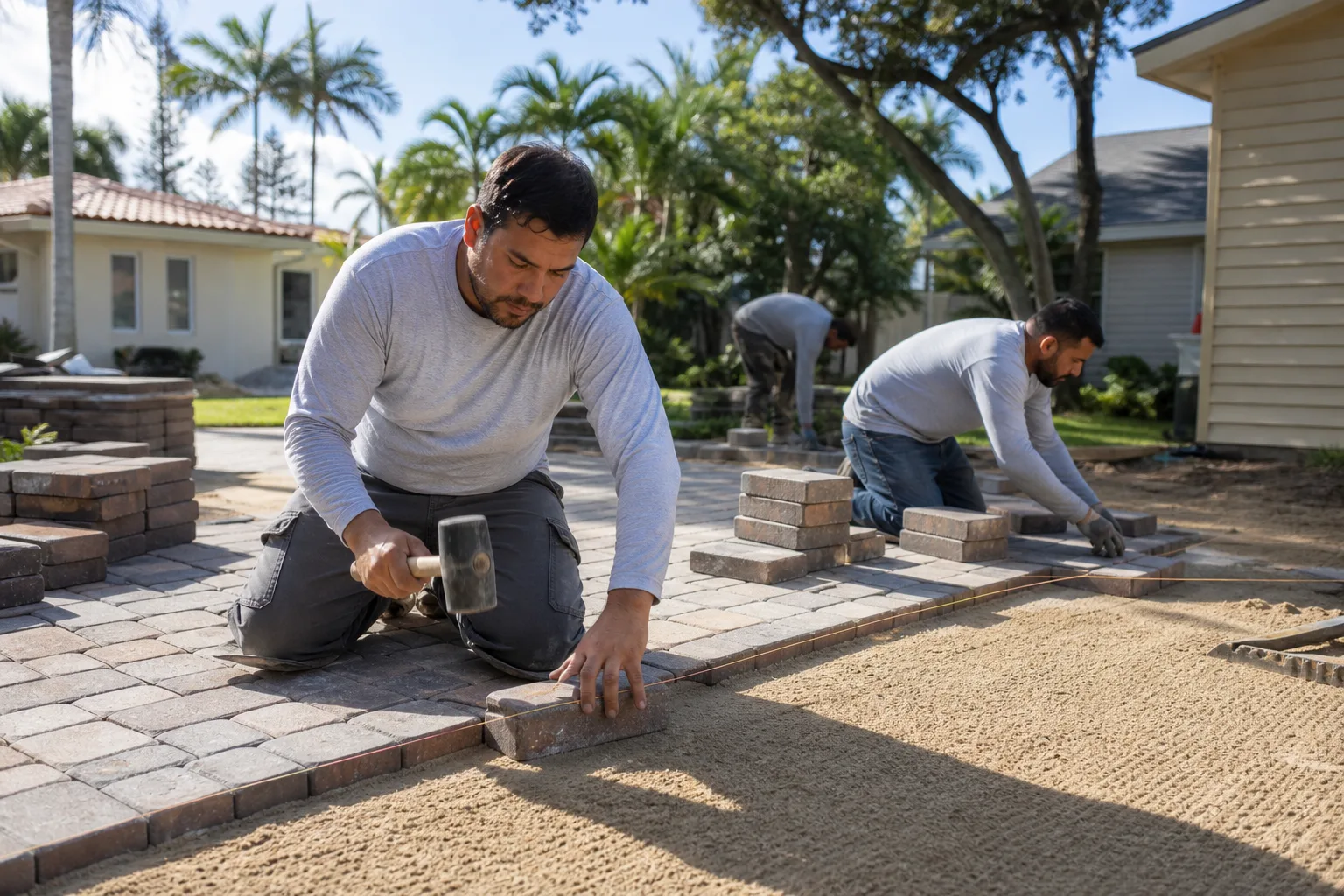
Paver repair is not a mystery, and describing it plainly helps homeowners see why the cost is what it is. A lift-and-reset repair removes the affected pavers, clears the old bedding sand, recompacts the base with a plate compactor and adds base material if the depth is short of spec, then relays the original pavers on fresh sand and refills joints with polymeric sand. Same-day work, usually, and the pavers come out of the ground reusable.
A base rebuild is the bigger job. Pavers come up and are stacked and labelled by course. The excavation goes down past the failed base to the subgrade. On Plano clay, that subgrade usually needs lime stabilization to raise its bearing capacity, or the same failure returns inside two wet seasons. Fresh base goes back in lifts of 2 to 4 inches, compacted between lifts. Then the pavers go back down, edge restraint is reinstalled and pinned, and polymeric sand finishes the joints. Expect 2 to 4 days for a full driveway rebuild with a settled schedule, longer if the paver selection needs to be sourced.
If you’re weighing a driveway project against other exterior work, our Driveway & Pavers in Plano page walks through the material selection and specification side in more detail. Fence and gate lines often share the same shrink/swell problems on the same lot, which is why plumb and anchoring matter on Fence Installation in Plano work as well.
Permits, Drainage, and HOA Rules in Plano
Replacing pavers in kind is typically a repair and generally doesn’t need a permit. Rebuilding a driveway with a new footprint, or altering how water leaves the lot, often does touch the code, because the paver surface is part of the site’s drainage plan. Plano has a documented history of strict drainage enforcement to protect neighbors from runoff, and the safest assumption is that any change to the driveway’s grade or edge line should be reviewed by the city before work starts.
We pull the permits where a permit is required, and we carry that into the written scope. HOA review is a separate layer, and in Plano subdivisions it matters more than most homeowners expect: the board usually has an approved paver color and pattern list, and a like-for-like repair may pass while a full rebuild with a different finish does not. Confirm the finish and pattern with your board in writing before anyone tears anything up, and keep that approval in your project file alongside the change orders.
Common Mistakes to Avoid
- Treating wide joints as a cosmetic cleaning issue. A 3/8-inch joint gap means sand is escaping into a void, and no amount of joint sand refill fixes the void. It buys you a season at best.
- Sealing over a failed base. A sealer locks in moisture and hides the warning sign, not the problem. Always diagnose structure before sealing.
- Ignoring a small drainage puddle at the apron. Water pooling against the garage slab in Plano winters can reach the foundation. It is one of the cheapest repairs to fix early and one of the more expensive to defer.
- Skipping the edge restraint check. An unrestrained field of pavers has no boundary, and it will spread every wet season. Ask whether the restraint is pinned and if it will be re-pinned in the scope.
- Choosing a paver by appearance only. Different pavers handle cycle loading and moisture differently. Brands like Techo-Bloc and Belgard make excellent products, but the specific line and thickness matter for a driveway that sees two-car traffic.
- Signing a quote without a written scope. “Repair driveway” is not a scope. You want hollow-section square footage in the document, base depth in inches, and a written warranty on the finished work.
- Starting work without the HOA approval in writing. Pulled-up pavers are hard to un-pull if the board rejects the finish mid-project.
See the difference
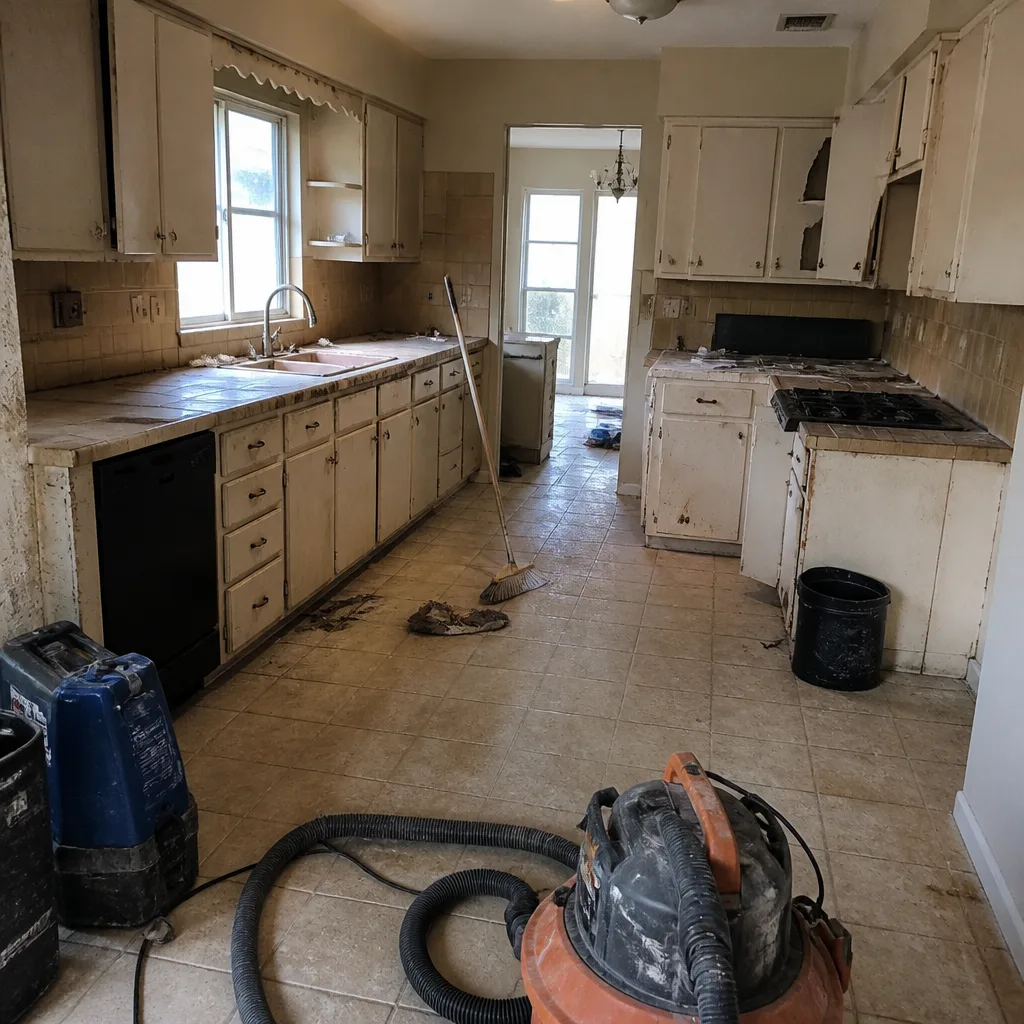 Before
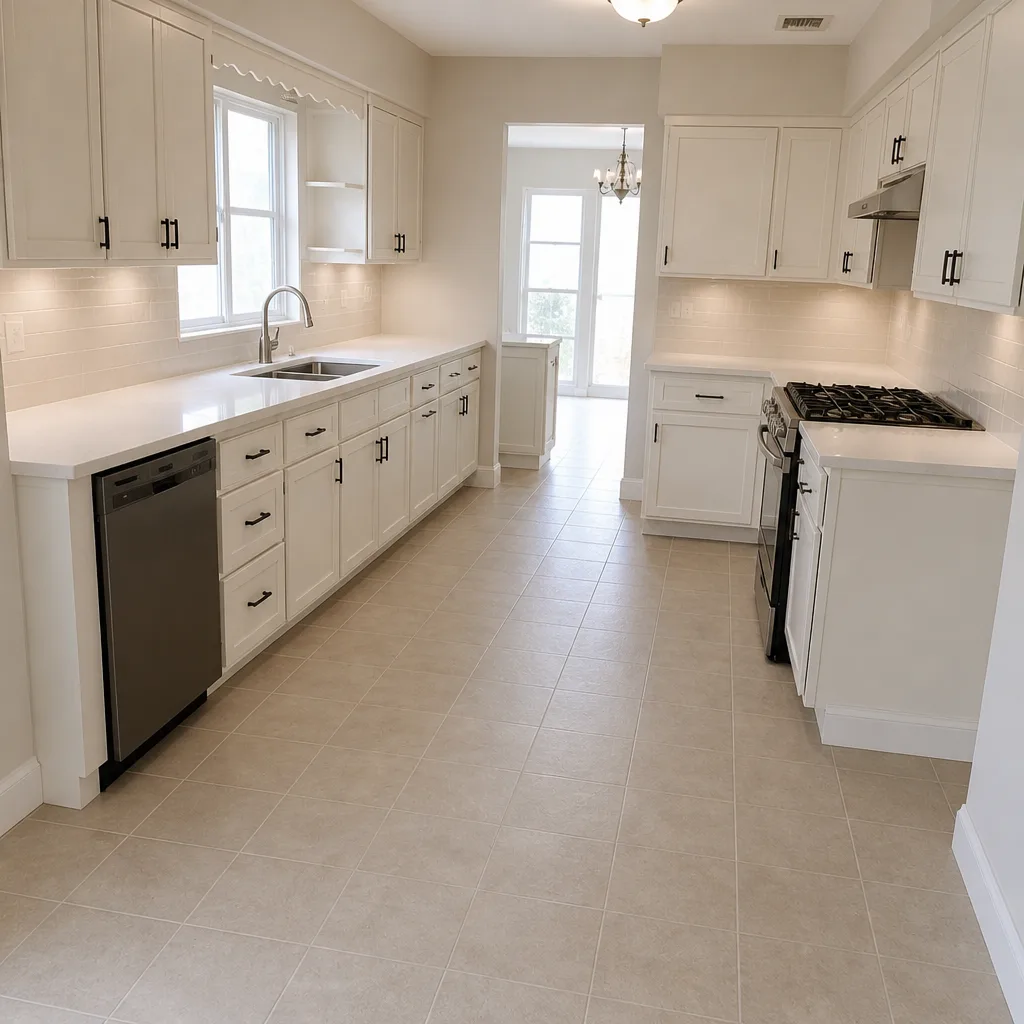 After
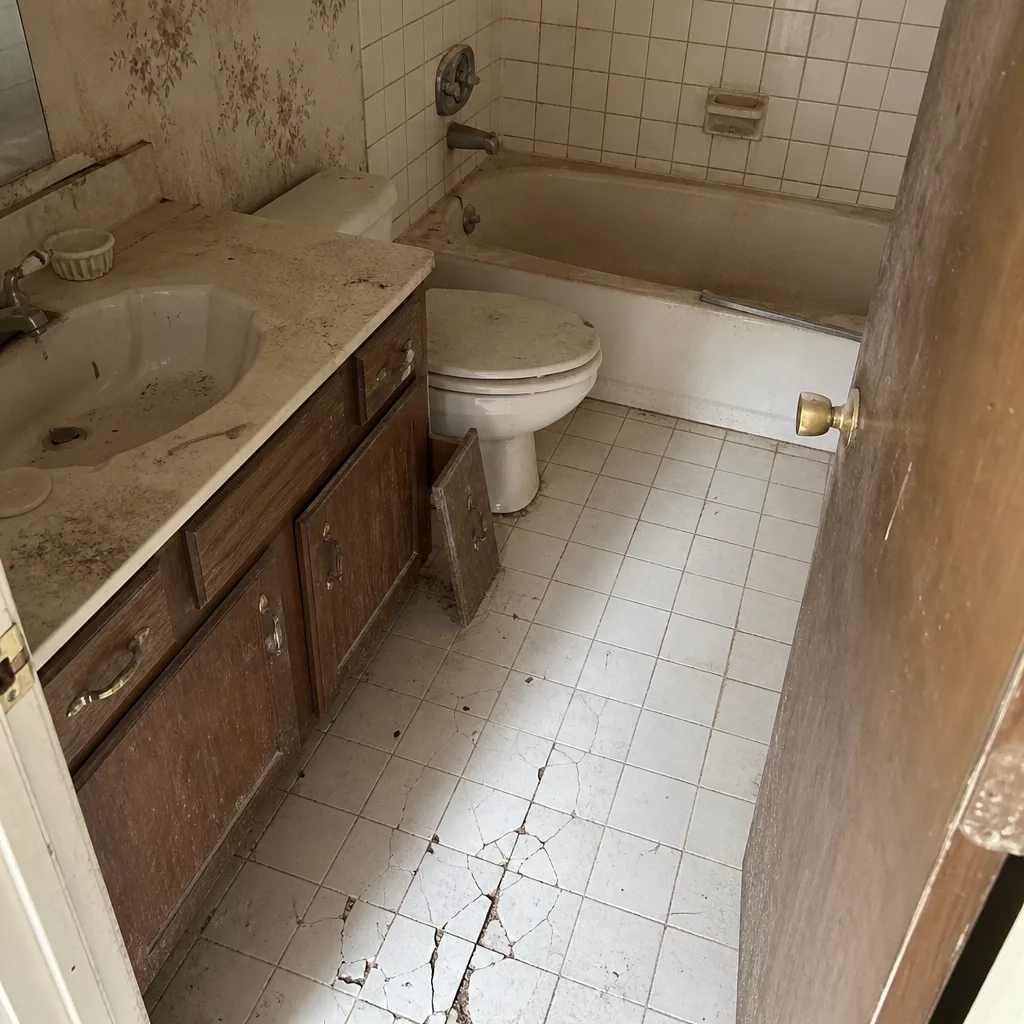 Before
 After
 Before
 After
When to Call a Professional
Call for help when any hollow section exceeds ten square feet, when the edge restraint has moved, when a joint gap exceeds 3/8 inch in a repeating pattern, or when water pools anywhere against the garage or foundation. Those four conditions are the crossing point where spot repair stops being sensible and a base repair starts being the honest suggestion. A single rocking paver is also worth a professional look, because the wrong repair (topping it with sand) simply delays the failure across a larger area. Two of the four signs on the same driveway usually means the subgrade is involved, and neither sand nor sealer fixes that. Rowan Construction Group Plano offers free estimates in Plano. Call (844) 761-8346 to schedule a walkthrough and a written scope with line-item pricing before any work begins.
Frequently Asked Questions
Small lift-and-reset repairs typically run $350 – $550 for a hollow section under ten square feet. Partial base repairs land in the $900 – $1,600 range, and a base rebuild across 60 – 80 square feet with drainage correction is usually $2,200 – $3,200. A full paver driveway rebuild runs roughly $7,000 – $14,000 depending on paver selection and square footage. Call (844) 761-8346 for an exact written quote – estimates are free.
A 3/8-inch joint gap is the threshold where a paver driveway changes from cosmetic wear to structural concern. At that width, the interlock between pavers has failed, sand is escaping into an open void in the base, and the movement will spread with each wet-dry cycle on Plano clay. It is not a cleaning problem. Call (844) 761-8346 to schedule an inspection before the void grows.
You can re-sand a joint, but a rocking paver is a base failure and re-sanding just delays the next failure. The correct repair lifts the paver, recompacts the base, and relays it, and that requires a plate compactor and a fresh bed of sand. Done without the right recompaction, the same paver will rock again within a season. Call (844) 761-8346 for a written price on the proper repair.
Patterned cracks on Plano driveways usually follow the shrink/swell contours of Blackland Prairie clay. When the subgrade dries, it pulls away from the base in predictable bands, and the pavers above lose support in predictable lines. Random spider cracks are typically impact damage and are a spot repair. Patterned cracks mean the base and subgrade are the story. Call (844) 761-8346 and we’ll review your photos and put a written scope on paper.
Like-for-like repairs generally do not need a permit, but any change to the driveway footprint, grade, or drainage flow can trigger review because the surface is part of the site drainage plan. We pull permits where they’re required and note them in the written scope. Call (844) 761-8346 and we’ll confirm what your specific project needs before any work starts.
Not without a signed change order. Clause 1 of our standard process, the Haven Standard, is a written flat price and written scope before anyone picks up a tool, and no change proceeds until the change order is signed. That discipline is why our projects finish within a few percent of the agreed cost. Call (844) 761-8346 for your free estimate and a written scope you can compare line by line.
The Bottom Line
Paver driveway damage is a measurement problem before it is a cosmetic one. Joint gaps over 3/8 inch, vertical displacement over 1/4 inch, and a moving edge restraint are the three numbers that separate “clean and reseal” from “base repair.” On Plano’s clay, those numbers move faster than most homeowners expect after a wet spring and a dry summer, and the cost of delay is not linear: a $400 lift and reset at ten square feet becomes a $2,800 rebuild at eighty. Photograph what you see, record the measurements, and get your questions answered against a written scope, not a verbal one. Take a look at the Rowan Construction Group Plano home for how we handle every trade, and if a bigger addition is on your radar alongside the driveway, our Home Additions & ADU in Plano page covers the sequencing. Every visit includes a documented photo record, and the 365-Day Done Right Promise stands behind the finish work, so if it’s not done right, we make it right.
If you’ve spotted any of the warning signs in this guide, the cheapest next step is a walkthrough with a written scope. Call Rowan Construction Group Plano at (844) 761-8346 for a free estimate, and bring your photos and measurements. Our technicians have up to 19 years of experience, and the conversation starts with what you’ve documented and what we see, so the number on the page matches the driveway you’re standing on.
Written by the team at Rowan Construction Group Plano.