
Last updated November 18, 2026







Free written scope consultation - allowances, timeline, and change-order rules on paper before a single trade is scheduled
Fence Installation Warning Signs Every Homeowner Should Know
A fence post set at less than the frost-depth equivalent for your soil, which in Plano generally runs 24 to 36 inches, will begin to lean within two seasons. You won’t see that depth once the concrete is poured, which is exactly why the warning signs have to be caught earlier. Most fence installations that fail don’t fail at the moment of a visible defect. They fail weeks earlier, when a crew skips a utility locate, pours a shallow post, or never pulls the permit the job required. This guide names the specific, observable signs that those shortcuts are happening while the work is still underway, in Plano and everywhere else.
Quick Answer
The clearest warning signs of a bad fence installation are a contractor who won’t pull a required permit, no call to 811 before digging, no written material spec or brand before work starts, posts spaced inconsistently or set in dry-mixed concrete, and missing post caps or unverified gate hardware at the finish. Each one is visible on site if you know to look, and each one predicts a failure that shows up after the final payment.
Styles & brands we work with
- Kitchen remodeling
- Bathroom remodeling
- Home additions & ADU
- Roofing
- Windows & doors
- Driveway & pavers
- Fence
Table of Contents
- Pre-Work Red Flags Before a Single Post Goes In
- No 811 Utility Locate Means Someone Is Guessing
- Inconsistent Post Spacing and What It Tells You
- Dry-Mixed Concrete in the Hole: A Quiet Holding-Strength Problem
- How to Verify Post Depth Before the Pour
- Finish-Phase Shortcuts: Post Caps, Gate Hardware, Line Check
- What a Proper Change Order and Material Receipt Look Like
Pre-Work Red Flags Before a Single Post Goes In
The most expensive mistakes in fence installation happen before the first shovel touches soil. A contractor who skips the paperwork stage will skip the build stage, because the paperwork is the part of the job with no visible output and no immediate consequence. If the crew never produces a written material spec, you have no way to check whether the cedar you were quoted is the cedar that arrives.
In Plano, most residential fence work falls under city permitting rules for structures above a certain height, and a contractor who tells you a permit “isn’t needed” without checking your specific lot and height is telling you something about how they work. Ask directly: will you pull the permit, and will you show me the approval before the build starts?
Here’s what a legitimate pre-work package includes:
- A written scope naming the material and brand, not just “wood fence” or “6-foot privacy fence.”
- The post spacing and post depth in writing, in inches.
- Confirmation that the 811 utility locate has been scheduled, with a date.
- A flat written price before any work starts, with a written warranty attached.
- A named point of contact who answers the phone.
If any of those five items is missing, treat it as a warning sign. We’ve seen homeowners in Plano hand over a deposit on a handshake and a text message, then spend the next year chasing the same number that stopped answering. Under Clause 1 of the Haven Standard, the price gets written before anyone starts, on every trade from Rowan Construction Group Plano home work through fencing. That’s the standard to hold any contractor to.
No 811 Utility Locate Means Someone Is Guessing
Before any digging for fence posts, the contractor must call 811 so utility lines get marked. There is no version of this that’s optional. Water, gas, electric, and communications lines run through residential lots across Plano, and a post hole is dug with an auger, not a hand trowel. Hitting a gas line is a genuine safety emergency; hitting an irrigation or electrical line is an expensive repair that lands on whoever did the digging.
The warning sign is simple: ask when the 811 locate was called and when the flags go down. If the crew is ready to auger and nobody has mentioned the locate, stop them. A contractor who will dig without a locate is gambling with your property and your safety, and they know it.
- Ask for the 811 request date before the crew mobilizes.
- Confirm the utility markings are actually on the ground along the fence line.
- Walk the line yourself and look for painted flags or stakes.
- Photograph the markings before digging begins.
On a legitimate job, this step is routine and the contractor expects the question. The hesitation is the tell. When a crew shrugs at the 811 question, that’s your signal to slow the job down or walk away from it entirely.
Inconsistent Post Spacing and What It Tells You
Standard post spacing for most wood privacy fences runs 6 to 8 feet on center, depending on the panel design and the wind load the fence has to handle. What matters as much as the number is consistency. Walk the line and pace out the gaps between posts. If one span is 6 feet and the next is 9, the crew is building to whatever fits rather than to a layout, and the panels between those posts will sag unevenly within a season or two.
In Plano, where summer heat and clay-heavy soil both put stress on a fence line, uneven spacing compounds fast. A wide span carries more panel weight and catches more wind, so the posts at either end of that span work harder than the rest. That’s how you get a fence that looks straight on install day and waves at you by the following spring.
What to look for:
- Gaps that vary by more than a few inches along a straight run.
- Posts that aren’t set on a consistent string line, so the fence face bows in and out.
- Corner and end posts set at the same depth and diameter as line posts, when they should be heavier.
- Rails toe-nailed into place rather than set into properly notched posts.
A crew that measures its spacing is a crew that measured the post depth. The two habits come from the same discipline. Our technicians, who have up to 19 years of experience in the trade, set post layout and depth from a written plan before any concrete gets mixed, which is the only reliable way to keep the fence plumb through the seasons.
Dry-Mixed Concrete in the Hole: A Quiet Holding-Strength Problem
Here’s the shortcut most homeowners never catch. Instead of mixing concrete in a wheelbarrow or bucket to the correct consistency and then pouring it around the post, a crew dumps the dry bag into the hole, sets the post, and adds water on top. It looks fine when they leave. It often isn’t.
Dry-mixed concrete in the hole doesn’t hydrate evenly. The water sits at the top and the mix at the bottom of the hole stays powdery, which means the post is held by a fraction of the concrete you paid for. Holding strength drops, and the post is far more likely to shift or lean, especially through freeze-thaw cycles and the soil movement that Plano’s expansive clay is known for.
You can catch this on site. Watch what the crew does when a post goes in:
- Is there a mixing tub, wheelbarrow, or bucket station on site? A wet-mix job needs one.
- Is the concrete already mixed when it goes into the hole?
- Are bags being poured dry, with water added after?
- Is the post braced and checked for plumb after the pour?
If you see dry bags going straight into the hole, ask the crew lead to switch to wet-mixed concrete and to note the change. A contractor who can’t or won’t wet-mix is trading your fence’s lifespan for a faster pour. That’s a signature on the job, and you should read it.
How to Verify Post Depth Before the Pour
Post depth is the single most important number in a fence build and the one you can’t inspect after the fact. Once the concrete is poured, the depth is sealed in. So the verification has to happen before the pour, and the contractor should expect you to ask. In Plano, a depth of 24 to 36 inches is generally the working range, with deeper set posts on corners, gates, and any span exposed to higher wind load.
Ask the crew lead a direct question before the first pour: what’s the depth on these posts, and how are you confirming it? A good answer sounds like a number and a method.
- Ask for the planned post depth in inches, in writing, before the build starts.
- Ask how the crew measures depth once the auger is out of the hole.
- Walk the line while the holes are open and look at a few yourself. Bring a tape measure.
- Confirm corner and gate posts are set deeper than line posts.
- Photograph the open holes with the tape in frame before the pour.
If you weren’t on site during the pour, ask for the documentation. A contractor working to a real standard will have photographed the open holes and the post depth as part of the job record. Every visit includes a documented photo record as a standard deliverable, not an upgrade, so the customer holds evidence of what was found and done, not a verbal promise.
Finish-Phase Shortcuts: Post Caps, Gate Hardware, Line Check
The last day of a fence build is when shortcuts are easiest to hide, because everyone wants the job done. Watch the finish closely. Post caps are the small detail with a large consequence. On wood posts, an uncapped top is an open door for water, and water in the end grain accelerates rot faster than any other failure mode. A contractor who “forgot” the caps or left them as an optional add-on is shortening the fence’s life by years.
Gate hardware is the second finish-phase test. A gate that isn’t plumb when the hinges go in will drag, sag, or fail to latch within months. The crew should set the gate posts, verify plumb with a level, and hang the hardware to that verified line, not hang it and hope.
Then the final line check. A proper crew walks the entire fence line before it leaves and confirms the posts are plumb, the panels are true, the gates swing clean, and the caps are seated. If the crew packs up without that walk, ask for it.
- Every post capped and seated, not just the visible front run.
- Gate posts leveled and plumb before hardware installation.
- Gate swings and latches without dragging.
- A walk of the full line, front and back, on the final day.
- Photos of the finished fence for your record.
On the material side, brands like Boral composite products or PGT aluminum systems carry published warranties, and the finish work is what protects them. The hardware and caps matter as much as the panel brand you chose.
What a Proper Change Order and Material Receipt Look Like
Two documents separate a professional fence installation from a hopeful one: the signed change order and the material receipt. A change order is a written record of any change to the agreed scope or price, signed by you before the change happens. If the crew runs short on posts and wants to substitute a different grade, that’s a change, and it goes on paper before anyone cuts lumber. No work proceeds on a change until the change order is signed, and that discipline is the reason projects finish within a few percent of the number the customer agreed to.
The material receipt is your protection against substitution and short-counting. It should name the brand, grade, and quantity of lumber, posts, concrete, and hardware actually delivered to your lot. If you were quoted a specific brand and the receipt names a different one, you caught it in time to correct it.
What good paperwork looks like:
- A flat written price with a written scope and a written warranty, before work starts.
- Change orders signed by the homeowner before any change in scope or price.
- Material receipts naming brand, grade, and quantity delivered.
- A photo record of the post depth, the concrete pour, and the finished line.
If a contractor won’t provide a receipt or a change order, that’s a warning sign with teeth. You have no way to verify what you paid for and no leverage if the job goes sideways. For more on how we handle documentation across a full project, see the Fence Installation in Plano work.
Common Mistakes to Avoid
- Paying a large deposit on a handshake. Get the flat written price and the warranty in writing before money changes hands. In Plano, the homeowners who get burned are the ones who skipped this step.
- Accepting “the permit isn’t needed” without a check. Requirements depend on height and lot, so a blanket answer is a guess. Ask for the approval before the build.
- Letting the crew dig without an 811 locate. The call is free and fast. Skipping it risks a gas or electric line and puts the liability on you.
- Not watching the concrete go in. Dry-mixed concrete in the hole cuts holding strength. Wet-mix in front of you is the only way to know.
- Skipping the post caps. Uncapped wood posts take on water and rot. Confirm the caps are part of the spec, not an upsell.
- Accepting a gate without a plumb check. A gate hung out of plumb sags. Watch the level come out before the hinges go on.
- Never asking for the material receipt. Without it, you can’t confirm the brand and grade you were quoted is what arrived.
See the difference
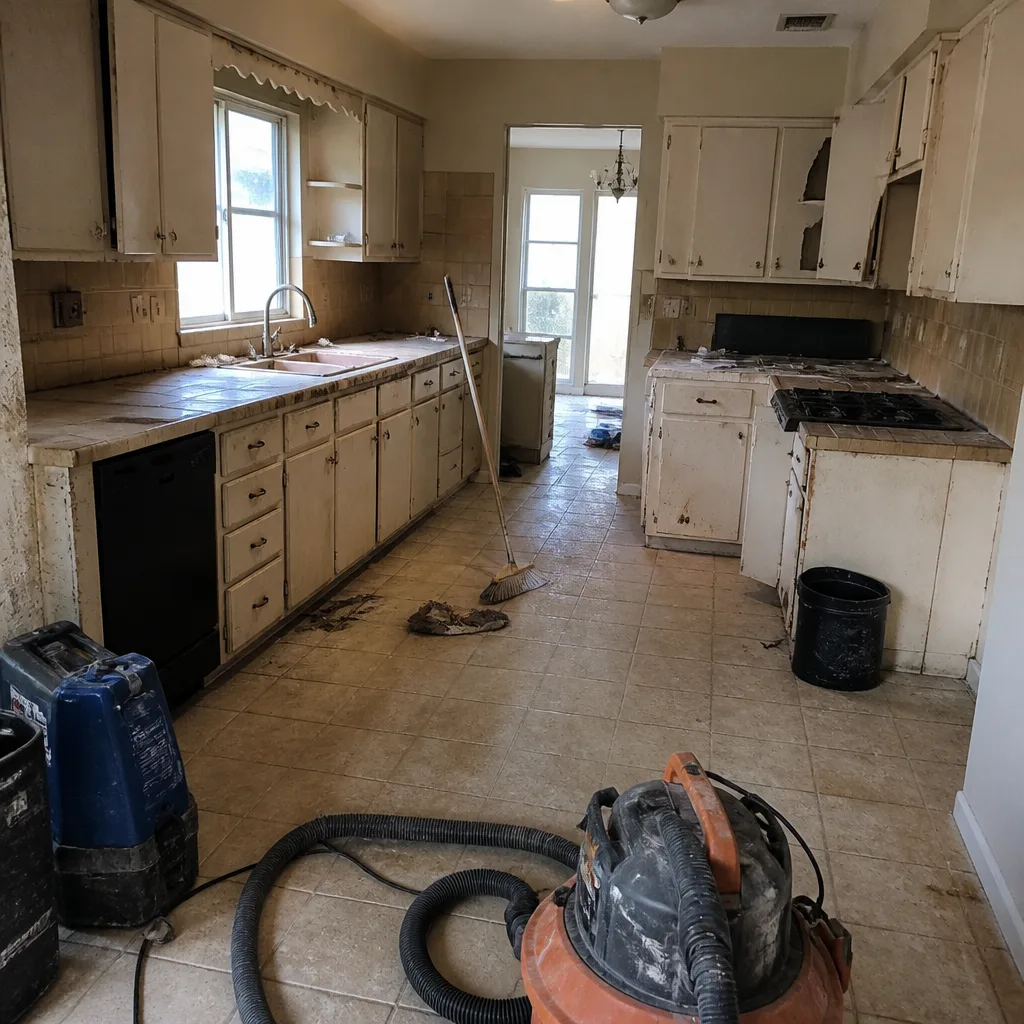 Before
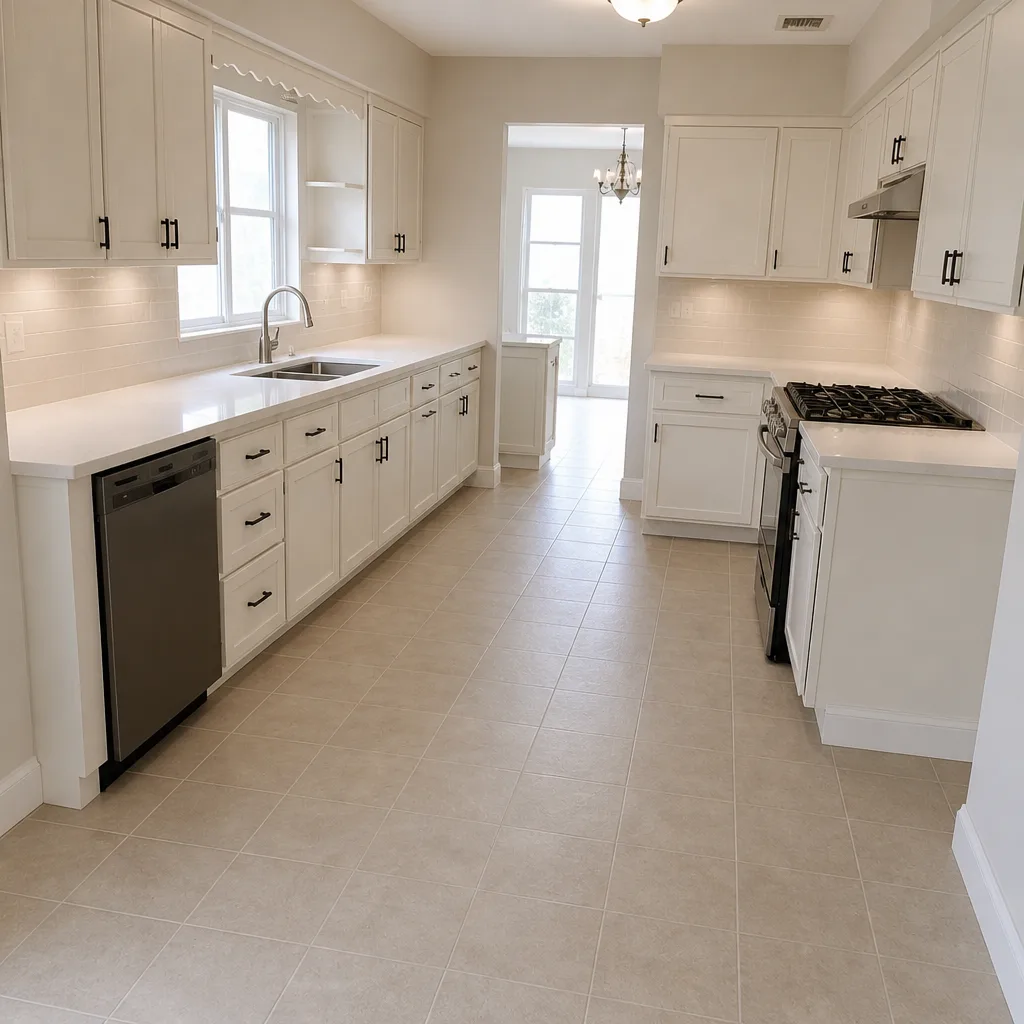 After
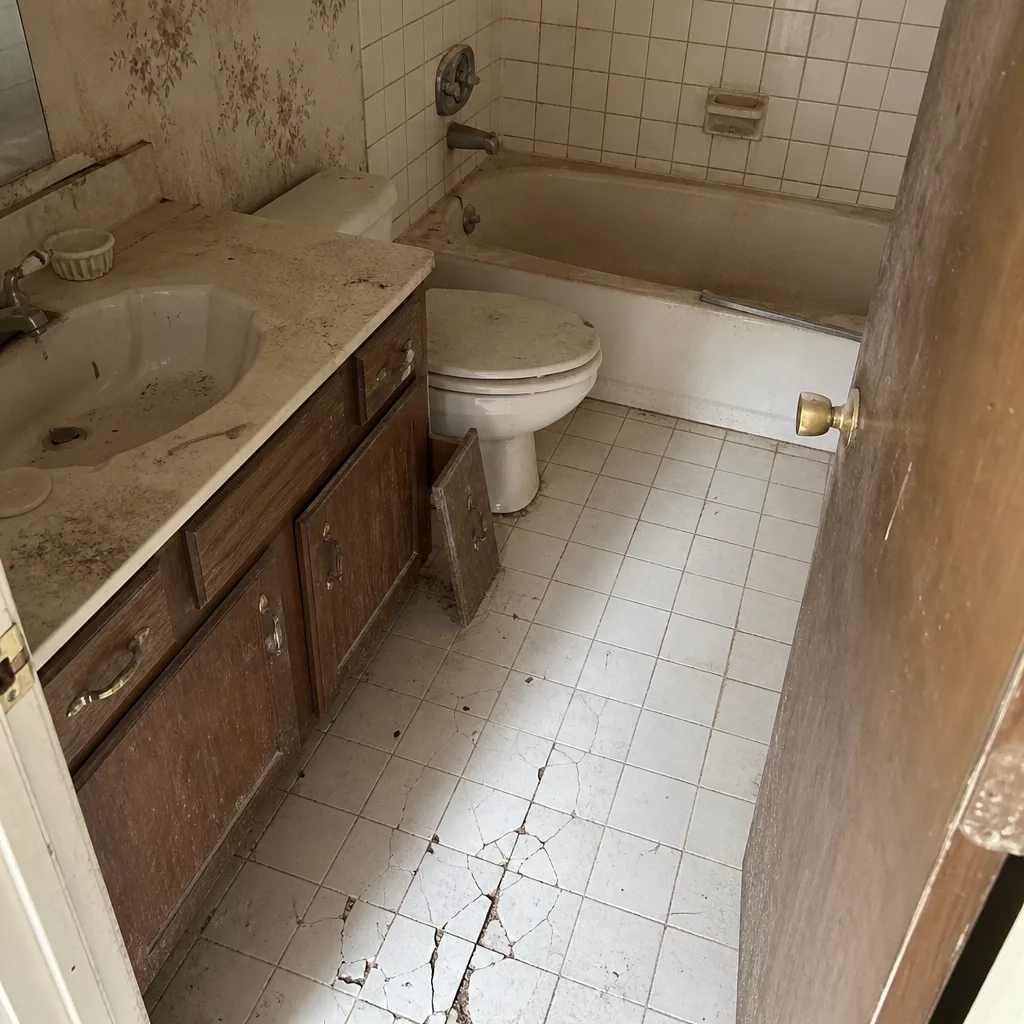 Before
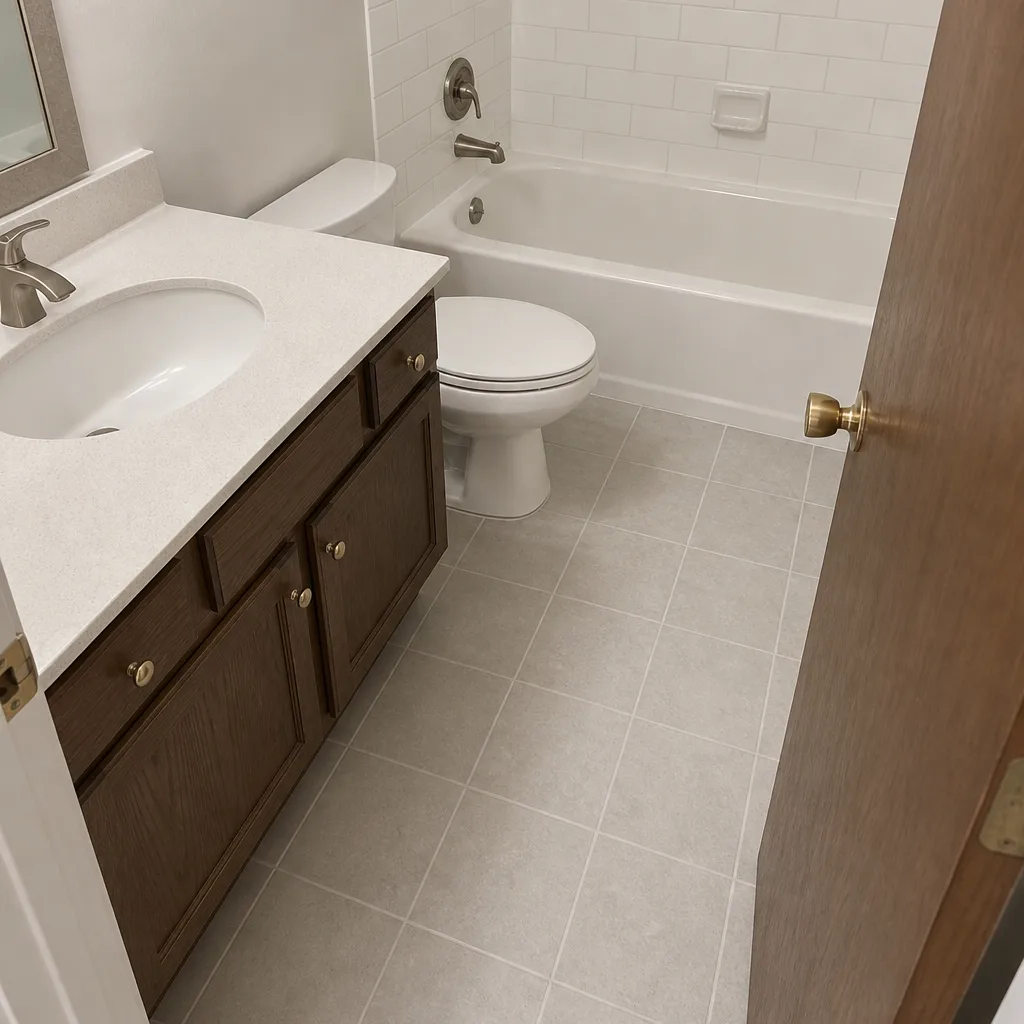 After
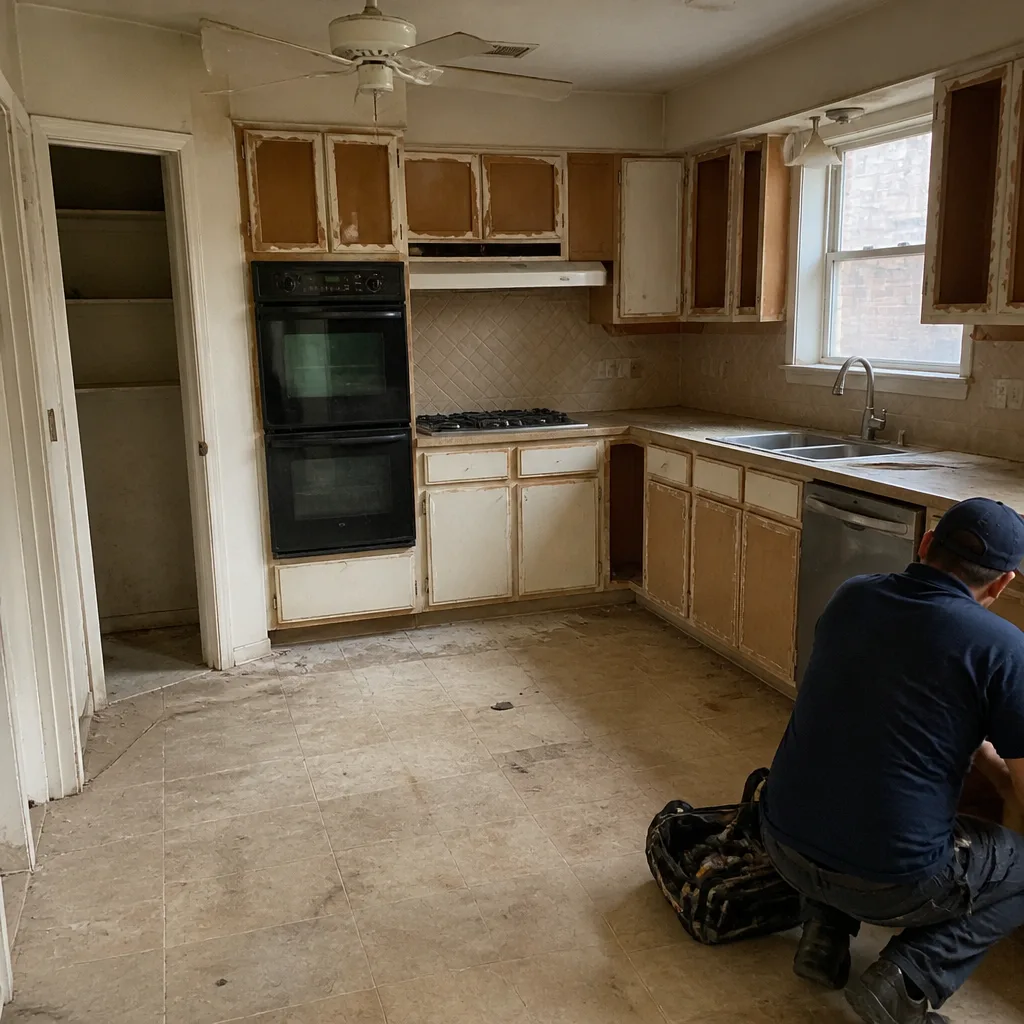 Before
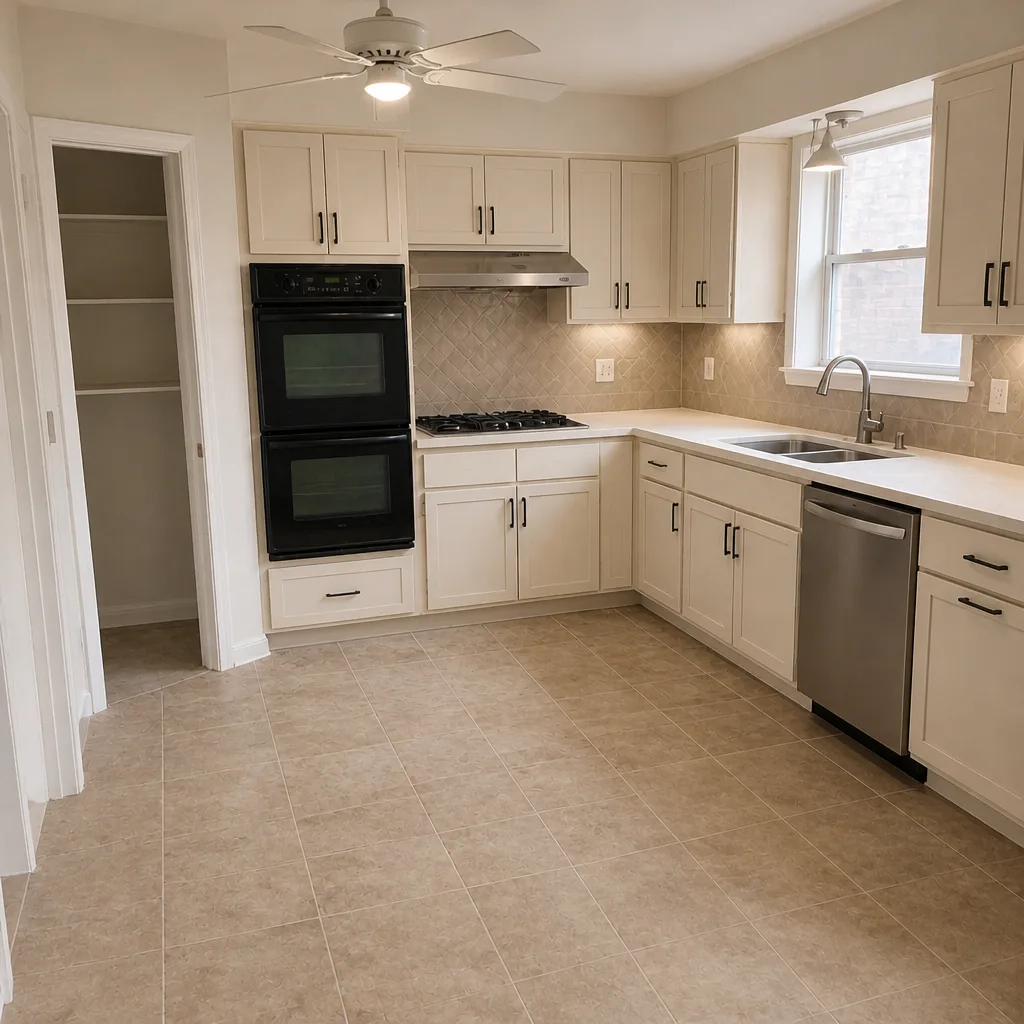 After
When to Call a Professional
If you’ve spotted any of these warning signs mid-job, or you’re interviewing contractors now and want a written number to compare against, a professional walkthrough is worth the call. The stakes go up when a fence line crosses a property boundary, runs near buried utilities, sits on a slope, or has to meet Plano permitting rules for height and setback. Those are the jobs where a shortcut becomes a legal or safety problem, not just a cosmetic one. We also step in mid-project when a homeowner inherits a half-built fence and needs the remaining work built to spec. Rowan Construction Group Plano offers free estimates in Plano, and there’s a free second opinion on any written estimate, so you can bring a competitor’s quote and have it reviewed line by line at no charge. Call (844) 761-8346 to schedule your free estimate.
Frequently Asked Questions
Wood privacy fence installation in Plano typically runs $25 to $45 per linear foot, while composite and aluminum systems run $45 to $90 per linear foot, with cost driven by material, height, gate count, and how much old fence has to come out. A typical 150-foot backyard fence lands somewhere in the $4,000 to $6,000 range for wood. Call (844) 761-8346 for an exact quote on your line, and we’ll put the flat written price in front of you before any work starts.
Often yes, depending on the fence height and where it sits on the lot, so the correct answer is to check rather than assume. A contractor who tells you no permit is needed without checking your specific plan is showing you how they work. We pull permits and confirm requirements before the build, and the approval is part of your written record. Call (844) 761-8346 to schedule a free estimate.
You’ll know if the contractor photographed the open holes with a tape in frame before the pour, so ask for that record. In Plano, 24 to 36 inches is generally the working post depth, deeper on corners and gates. Watch the pour if you can. Call (844) 761-8346 to have your existing fence or a new build assessed.
Dry-mixed concrete doesn’t hydrate evenly, so the mix at the bottom of the hole can stay powdery and the post ends up held by a fraction of the concrete you paid for. It looks fine the day the crew leaves and shows up as leaning posts one or two seasons later. Wet-mixed concrete poured on site is the standard to insist on. Call (844) 761-8346 for a free estimate.
Most wood privacy fences use posts spaced 6 to 8 feet on center, and the consistency matters as much as the number. Uneven spans put more stress on some posts than others, which is how a fence line starts to wave. Call (844) 761-8346 if you want your existing spacing checked or a new build quoted.
It shouldn’t. Any change to the scope or the price goes on a written change order that you sign before the work happens, and no work proceeds on a change until it’s signed. That’s the discipline that keeps projects within a few percent of the agreed number. Call (844) 761-8346 for a flat written price before work begins.
The Bottom Line
The warning signs of a bad fence installation are visible on site if you know what to look for: no 811 locate before digging, no permit where one is required, no written material spec, inconsistent post spacing, dry-mixed concrete in the hole, missing post caps, and hardware hung without a plumb check. Each one predicts a failure that appears after the final payment. The paperwork is your protection. A flat written price, a signed change order, a material receipt, and a photo record of post depth tell you whether the crew respects the standard before they’ve built anything. Hold any fence contractor in Plano to all of it, and you’ll get a fence that stands straight through the seasons.
If you’re ready for a fence built to spec with a written price before anyone picks up a tool, or you’re comparing quotes from other contractors, our technicians (up to 19 years of experience) can walk your line and review any estimate you have. Driveway & Pavers in Plano and Home Additions & ADU in Plano are two more of the trades our crews handle under the same standard. Call (844) 761-8346 for a free estimate, or bring a competitor’s written estimate for a free second opinion, reviewed line by line at no charge.
Written by the team at Rowan Construction Group Plano.