Last updated November 18, 2026



Free written scope consultation - allowances, timeline, and change-order rules on paper before a single trade is scheduled
Windows & Doors Troubleshooting: Common Problems and How to Fix Them
A door that sticks in July and swings free by November isn’t a hinge problem. It’s a frame reporting that the ground under it moved, and planing the door fixes the symptom for one season while hiding the diagnosis. In Plano, that report is usually accurate. The expansive clay soils across Collin County swell when they’re wet and shrink when they dry out, and every window and door in your home is a gauge bolted to that movement. Some of what you’re noticing is a ten-minute hardware swap. Some of it is the early signal of a foundation issue that costs five figures if you ignore it for two years. This guide sorts the two apart by symptom, cause, and repair price, so you stop guessing which one you’re looking at.
Quick Answer
Most window and door problems fall into four cause categories: worn weatherstripping or hardware ($8 – $60, usually a same-day fix), a failed insulated glass unit seal ($180 – $400 for the glass pack alone), seasonal frame movement from Plano’s clay soil (adjustment, not replacement), or structural movement that shows up as racking, daylight gaps, or water staining and needs a professional assessment before any cosmetic fix. Diagnose the cause before you touch the door, because the wrong fix makes the symptom come back and hides the real problem.
Styles & brands we work with
- Kitchen remodeling
- Bathroom remodeling
- Home additions & ADU
- Roofing
- Windows & doors
- Driveway & pavers
- Fence
Table of Contents
- Symptom-to-Cause Matrix: What Your Window or Door Is Telling You
- How to Tell If Your Window Has a Failed IGU Seal
- Door Alignment in Plano: Seasonal Clay Movement vs. Foundation Shift
- Drafts and Air Leaks: Weatherstripping, Glazing, and Frame Gaps
- Window Operation Failures by Hardware Type
- Sliding Door Problems: Rollers, Tracks, and Leaks
- When to Stop Troubleshooting and Call for a Written Assessment
Symptom-to-Cause Matrix: What Your Window or Door Is Telling You
The fastest way to stop guessing is to match what you see against what causes it. In our experience across Plano homes, the same three or four symptoms come back again and again, and each one has a different repair path and a very different price. Getting the category right first is what keeps a $12 fix from turning into an $800 one, or the reverse.
- Draft moving air around the sash or door edge: failed weatherstripping or a worn sweep. Repair is $8 – $60 in parts and an hour of your time. Fix the seal, not the window.
- Draft at the corners where the frame meets the wall: a perimeter gap or failed sealant, occasionally early frame movement. Reseal first; if the gap returns within a year, get the frame looked at.
- Foggy or milky glass, condensation between the panes: a failed insulated glass unit (IGU) seal. This is the glass pack, not the window, and the glass pack alone can often be replaced for $180 – $400.
- Water staining on interior drywall at the corners: a flashing or seal failure letting water into the wall, sometimes tied to frame movement. No cosmetic fix. Get it assessed.
- Door sticking or scraping, seasonal: frame movement from soil swell-shrink. Usually adjustment, not replacement.
- Visible daylight through a closed window at the frame corner: racking. This is a structural signal, and it’s where troubleshooting stops.
One number worth holding onto: a full window replacement in the Plano market runs roughly $450 – $900 per unit installed, against $180 – $400 to swap a failed glass pack into a sound frame. That gap is the whole reason the IGU test below exists. Under The Haven Standard, we put a written price in front of a homeowner before anyone picks up a tool, and that number comes from a diagnosis, not a guess. If you’re weighing window work against a larger project, our Rowan Construction Group Plano home page lays out how the trades fit together.
How to Tell If Your Window Has a Failed IGU Seal
The fogging test takes five minutes. A failed IGU seal doesn’t mean your window failed, and it doesn’t mean you need new windows. It means the sealed gas or air pocket between two panes lost its seal and let in moisture. The glass pack is a unit that slides out of a frame that may be perfectly sound.
- Look between the panes, not on them. Wipe the interior and exterior glass clean. If the haze, fog, or streaking stays, it’s inside the sealed unit – a failed IGU seal.
- Run a fingernail across the surface. Condensation that beads on the outside wipes away. Milky film trapped between the panes doesn’t move. That’s the seal gone.
- Inspect the edge seal. Look at the spacer around the perimeter. A cracked, brittle, or visibly separated edge seal is the failure point. A clean edge with fog inside points to a seal that failed elsewhere.
- Check the frame, not just the glass. Press on the frame at the corners. If the sash and frame are solid, square, and don’t rack, the glass pack is a legitimate repair on its own at $180 – $400. If the frame is soft, cracked, or out of square, you’re replacing more than glass.
Here’s where homeowners in Plano get talked into the wrong job. A failed IGU seal on a sound frame is a glass-pack replacement. Replacing the whole window because the glass fogged is paying for a frame you already own. The honest question is always: is the frame structurally sound? If yes, swap the pack. If the frame is racking or water-stained, the diagnosis changes and so does the price. Our Home Additions & ADU in Plano work runs into this constantly, because adding onto a house puts new load on old openings and the frame quality shows up fast.
Door Alignment in Plano: Seasonal Clay Movement vs. Foundation Shift
This is the section to read carefully if you live in Plano, because the clay under most of the city makes door alignment a genuine diagnostic tool. The soil under Plano homes swells when it’s wet and shrinks when it’s dry, and that movement flexes the frame every opening hangs in. A door that drags in July and clears by November is usually seasonal frame movement. A door that drags year-round and gets worse is a different conversation.
The hinge gap pattern tells you which one you have:
- Even gap, door drags at the bottom in humid months, clears in dry months: seasonal frame movement. Adjust the strike plate or plane lightly, monitor it each season.
- Top gap wide on the hinge side, narrow on the latch side, dust on the top of the door: the frame is out of square at the top. Often seasonal if it comes and goes, structural if it’s stable and getting worse.
- Diagonal gap pattern that reverses with the seasons: the frame is racking with the soil, and the swing is in the frame, not the hinge. Adjustment buys time; it doesn’t solve it.
- Gap pattern that’s stable, plus a crack in the drywall corner or a door rubbing high and low simultaneously: this is the pattern that warrants a structural look. Get a professional to assess the foundation before you plane anything.
The distinction matters because planing an out-of-square door to make it swing does exactly what the opening example described: it fixes the symptom for one season and masks the diagnosis. In Plano, where a foundation evaluation and possible pier work runs into the thousands, catching the structural signal early is worth far more than the door. If the alignment issue turns out to be part of a wider renovation, our Driveway & Pavers in Plano page covers the exterior side of the same soil movement.
Drafts and Air Leaks: Weatherstripping, Glazing, and Frame Gaps
A draft has three likely sources, and each has a different fix at a different price. Find the source before you buy anything. The cheapest fix in this whole guide is weatherstripping, and it’s the most over-prescribed one when the real problem is a frame gap.
- Weatherstripping (the seal in the jamb or on the sash): you feel air moving when the window or door is closed. Look for a gasket that’s compressed flat, cracked, or missing. Replacement runs $8 – $40 in parts and an hour of work. This is the classic first fix.
- Glazing and glass seal: air comes through the glass edge where the pane meets the sash, not the jamb. A bead of sealant along the glass-to-frame joint restores it.
- Frame gap at the corner: air comes through where the window frame meets the wall. This is a perimeter seal or, if it reopens, an early frame movement signal. Reseal with exterior-grade sealant rated for the Texas heat and monitor it.
The tests in order: hold a lit incense or thin strip of tissue around the closed opening on a windy day, moving slowly from the jamb to the sash to the glass edge. Then feel the corner where the frame meets the wall. Air at the corner that comes back after resealing is the one to flag, especially in Plano’s climate, where a 20-degree day-to-night swing loads and unloads the frame constantly. For a home where the perimeter seal is failing across many openings, the fix may tie into exterior work; Fence Installation in Plano is a useful reference point for how exterior sealing and material choices behave in this climate.
Window Operation Failures by Hardware Type
Window operation failures come down to the hardware, and the hardware type tells you exactly where to buy the part. Getting the brand name right is most of the repair. Generic parts that don’t match the original are the reason a fix that should’ve lasted five years fails in one.
- Casement operator (the crank): won’t turn, grinds, or turns without moving the sash. Inspect the operator arm and the hinge track. Truth Hardware and Roto are the two you’ll find most in this area; generic operators multiply the failure rate. A replacement operator runs $25 – $70 depending on brand.
- Double-hung balance: the sash won’t stay up, drops, or feels too heavy. Two types: block-and-tackle (a woven cord and pulley system) and spiral (a coiled steel tube). Match the type and the tension rating printed on the balance, and order by the stamped number. A pair of balances runs $15 – $50.
- Sliding window rollers: the sash drags or won’t slide. Worn rollers are usually the cause, and a set of replacements runs $10 – $40 depending on the brand and the track profile.
The sourcing path matters more than the price. Look for the brand and part number stamped on the operator arm or the balance tube before you order anything. Truth and Roto parts are accessible through window-hardware suppliers; generic aluminum-window operators from the big-box stores rarely match a specific series and are the most common cause of repeat failure. If you can’t find a stamp, photograph the part and match it on a window-hardware supplier’s site. Our technicians have up to 19 years of experience with these systems, and a documented photo record on every visit means you leave with a record of what was found and what was replaced – included as standard, not an upgrade.
Sliding Door Problems: Rollers, Tracks, and Leaks
Sliding doors fail in a predictable order: the rollers wear first, then the track fills with grit and grabs, then the seal at the bottom or the side fails and water comes in. Address them in that order and you usually catch the cheap fix before the expensive one.
- Won’t glide smoothly: check the rollers first. Lift the panel slightly and slide it; if it moves freely off the track, the rollers are the culprit. Replacement sets run $10 – $40.
- Grabs at one spot: clean the track and inspect it. A bent or dirt-packed track grabs the roller. A track insert can extend the life of a worn channel.
- Panel jumps off the track: check the top guide and the roller height adjustment. Adjusting the rollers to level the panel fixes most of these.
- Water at the threshold after a rain: this is a seal problem, and in Plano’s storm season it’s the one to fix before the next storm. Inspect the weep holes first, then the bottom sweep, then the exterior sealant at the threshold.
A sliding door that also sticks in the frame – not the track – is a different diagnosis: that’s frame racking, and it belongs in the alignment section above. On a home where the exterior envelope is failing broadly, a sliding door problem is often the visible one. The honest approach is to fix the door and check the wall around it. Our background-checked, uniformed technicians arrive knowing the difference, and the photo record documents what was found so you can compare it season to season.
When to Stop Troubleshooting and Call for a Written Assessment
Some conditions mean the fix is structural, not cosmetic, and no amount of weatherstripping or planing will solve it. Stop troubleshooting and call for a written assessment if you see any of the following:
- Visible daylight at the frame corner when the window or door is fully closed. That’s a racked or separated frame.
- Water staining on the framing or interior drywall near an opening. Water is already inside the wall.
- More than ¼ inch of frame racking – measure the diagonal from corner to corner on both diagonals. A difference over ¼ inch is a structural signal.
- A door gap that’s stable and getting worse across seasons, especially with drywall cracks at the corners.
- A window frame that’s soft, cracked, or out of square when you press on it, regardless of what the glass looks like.
We’ve seen Plano homeowners spend two seasons resealing a frame that needed a foundation look, because the symptom was cheap and the diagnosis wasn’t. That’s the expensive path. The written assessment is the cheap one.
Common Mistakes to Avoid
- Planing or sanding a sticking door before diagnosing the cause. This fixes one season and masks the frame movement underneath. Diagnose the gap pattern first.
- Replacing the whole window because the glass fogged. A failed IGU seal on a sound frame is a $180 – $400 glass-pack fix, not a $450 – $900 window replacement.
- Using generic hardware in a branded window. A generic casement operator or balance that doesn’t match the series is the most common cause of a repeat failure within a year.
- Ignoring a corner draft that reopens after resealing. A perimeter gap that returns is a frame-movement signal, not a sealant problem. Flag it.
- Skipping the diagonal measurement on a suspect frame. More than ¼ inch of racking is the single clearest number that means “stop and call.”
- Letting a contractor give you a verbal estimate on window or door work. The written price with a written scope before any work starts is how you compare quotes honestly, and it’s free on request.
- Resealing a sliding door threshold without checking the weep holes. Trapped water finds the path of least resistance, and it’s usually inward.
See the difference
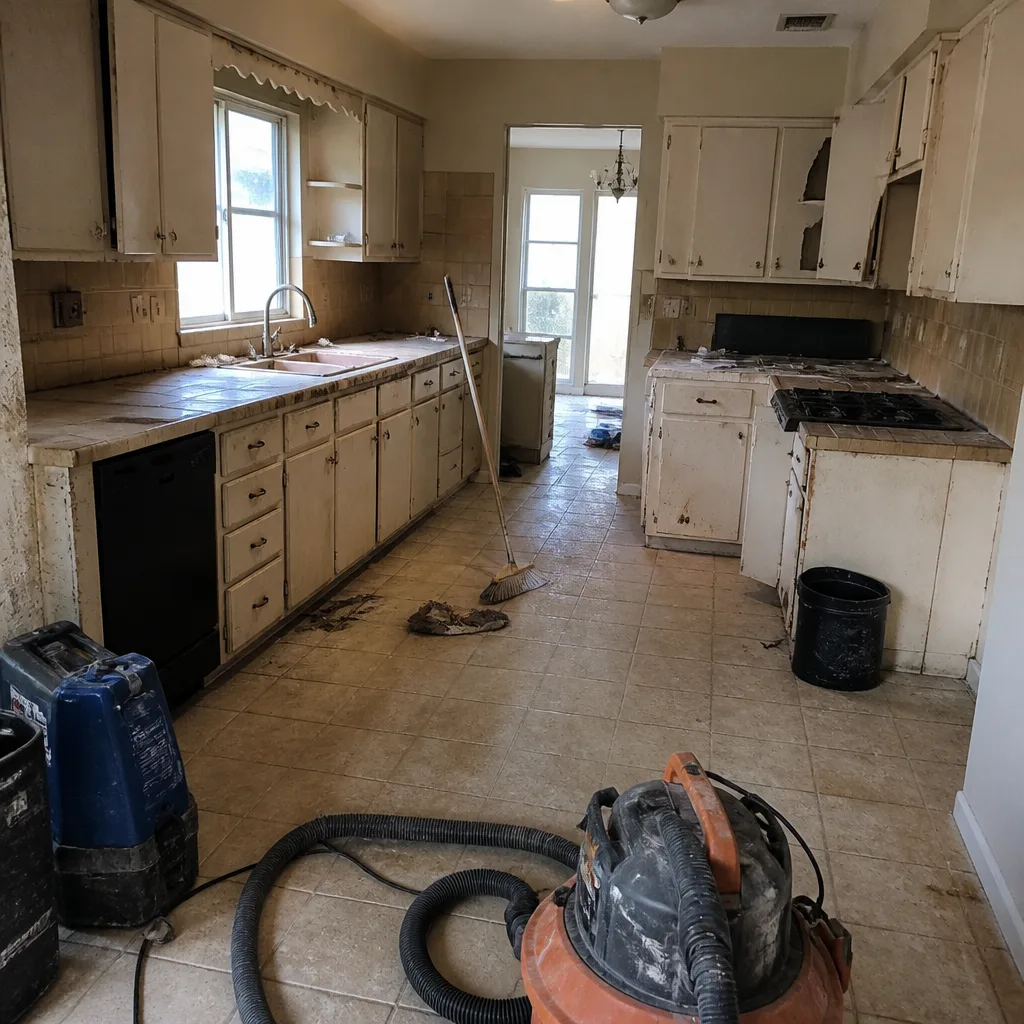 Before
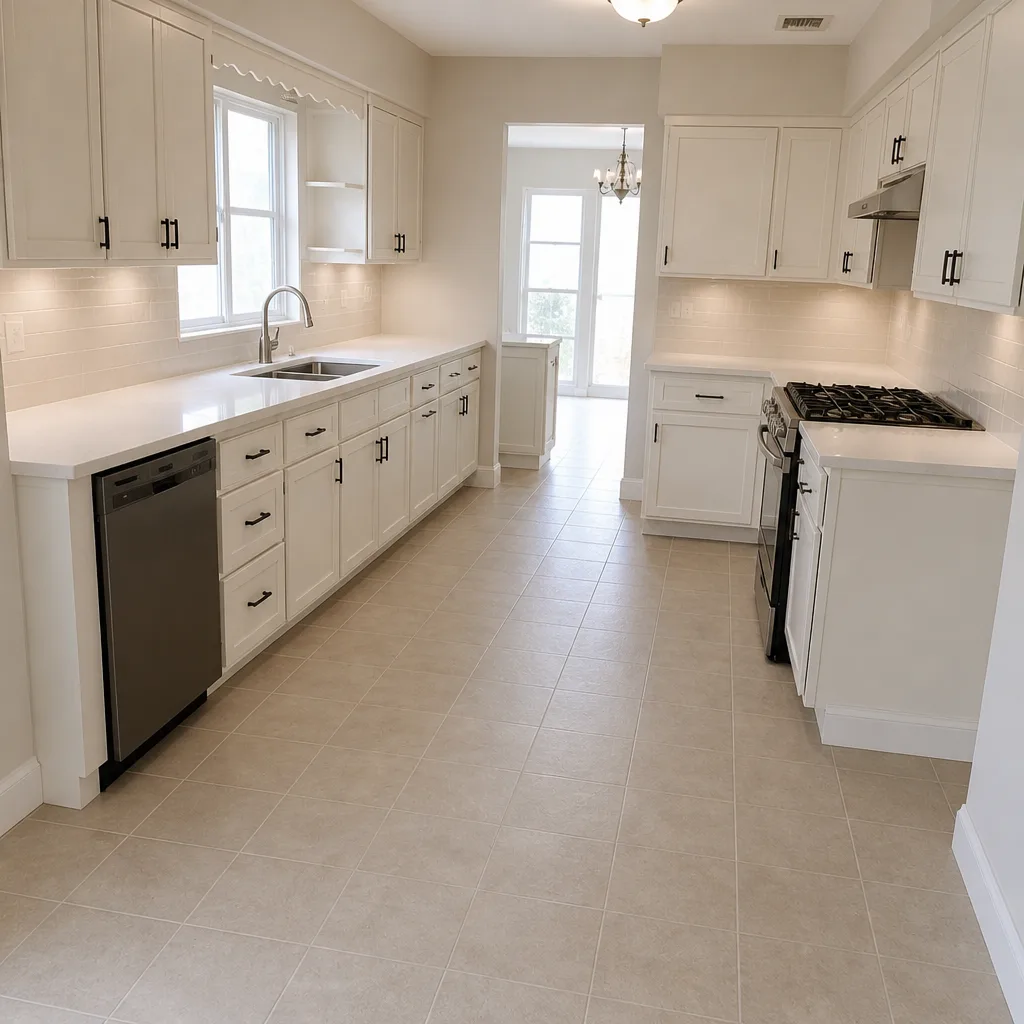 After
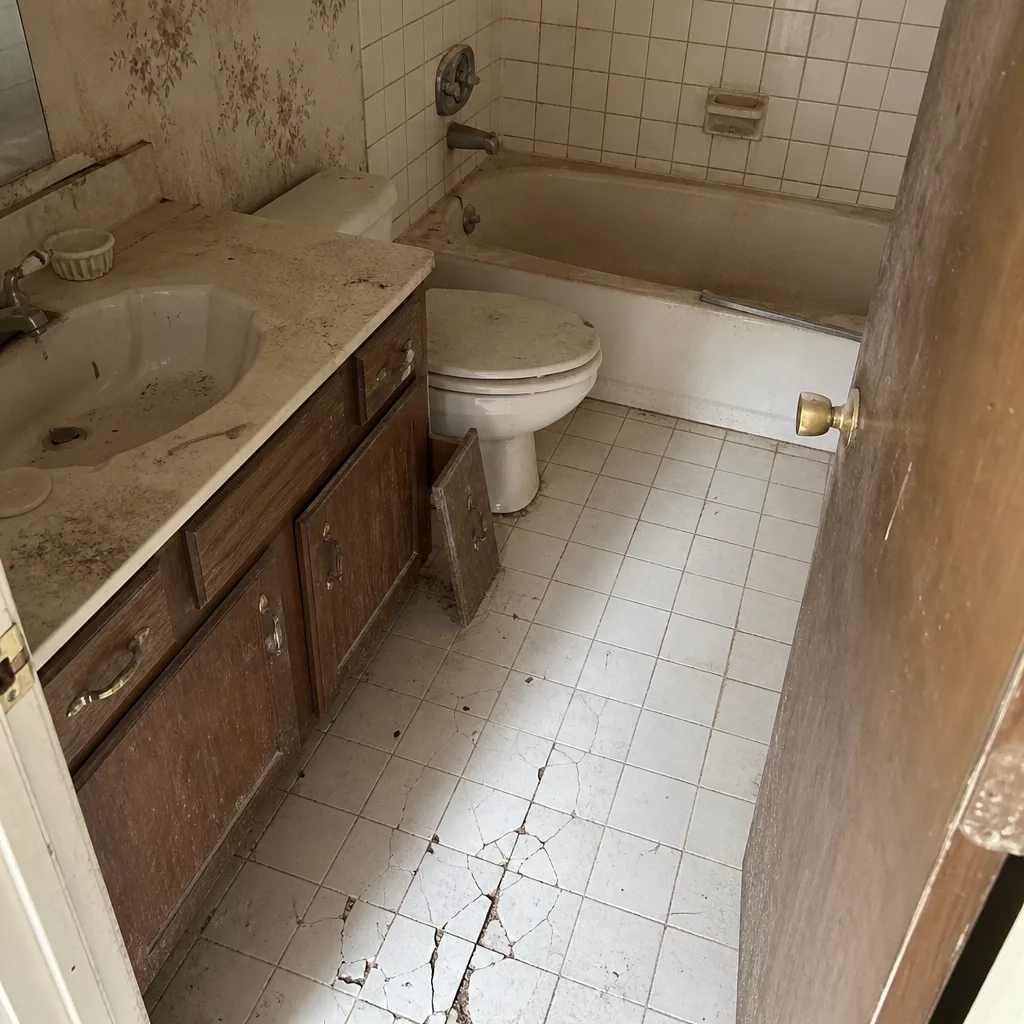 Before
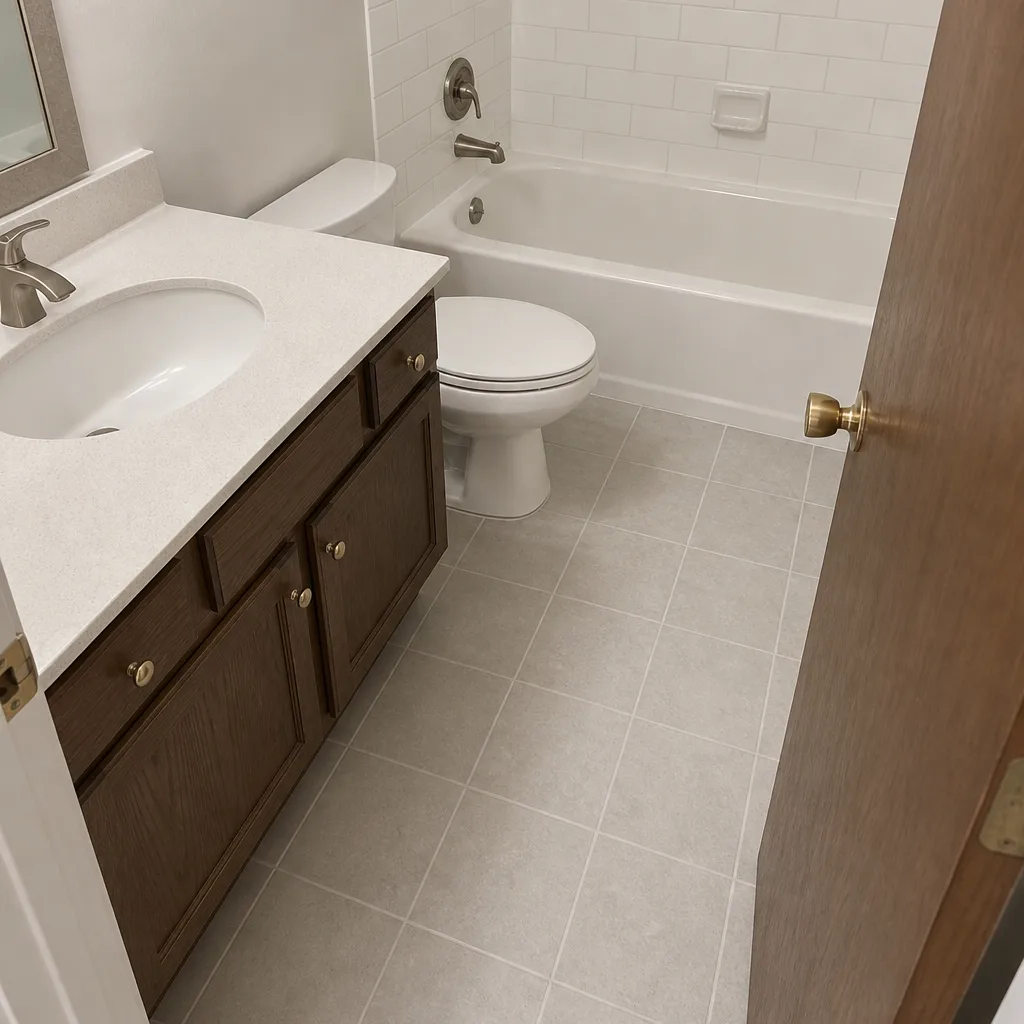 After
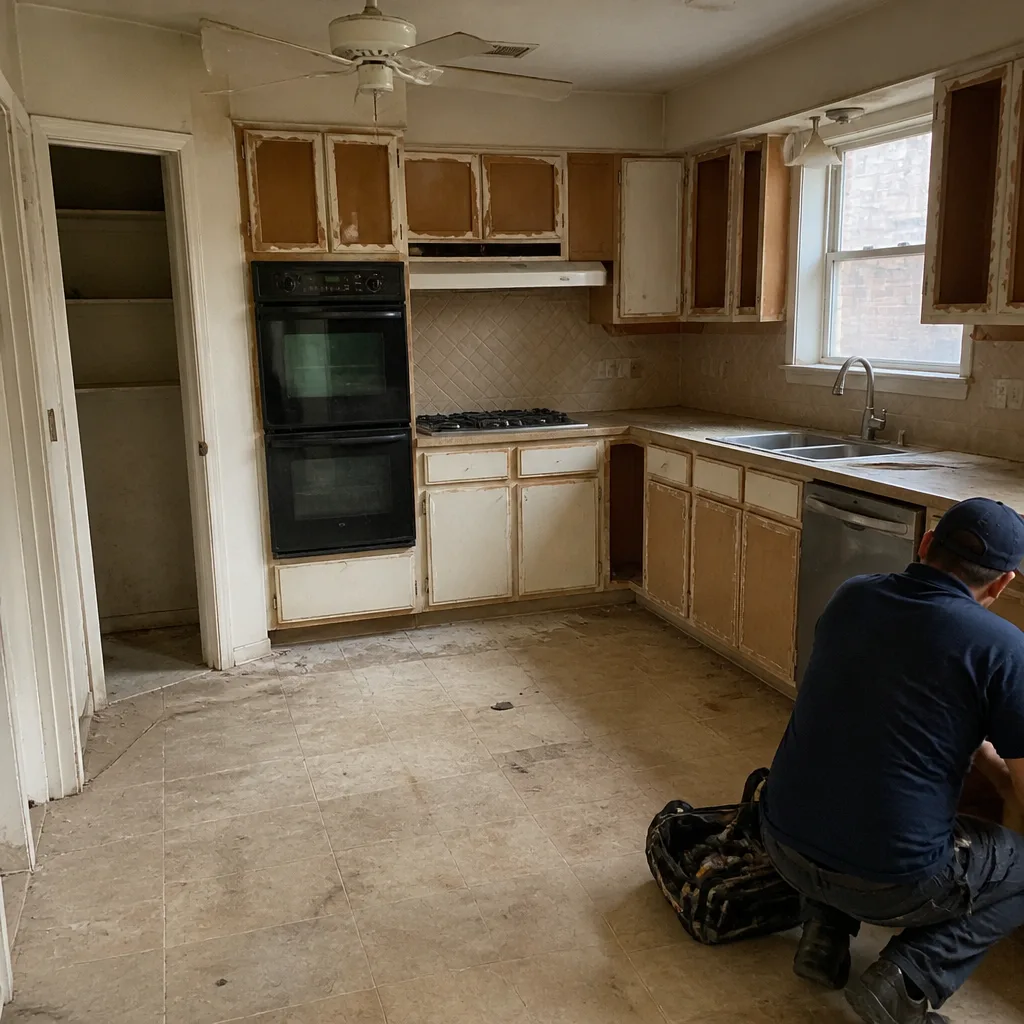 Before
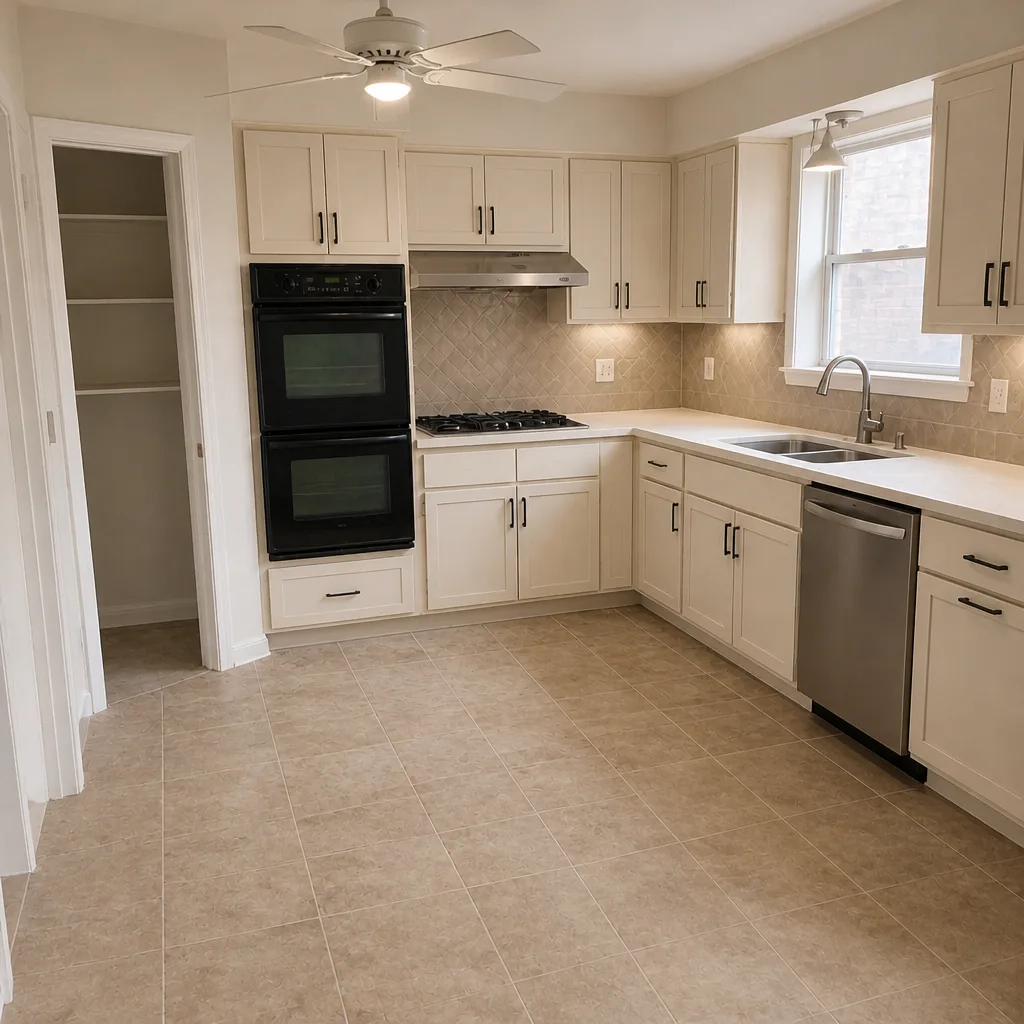 After
When to Call a Professional
Call a professional when the symptom stops being cosmetic. Visible daylight at a frame corner, water staining on interior framing, stable door-gap patterns that worsen across seasons, more than ¼ inch of frame racking, or a frame that’s soft or out of square when you press on it – those are the conditions that mean a written assessment, not a DIY fix. High-tension window balances and any work that needs the window sash removed and rehung are also worth a professional’s hands; a balance under tension can release unexpectedly, so we don’t recommend taking a double-hung sash out of its track yourself. Rowan Construction Group Plano offers free estimates in Plano, with a flat written price and a written scope before any work begins. Call (844) 761-8346 to schedule your free estimate, and bring any estimate you’ve already received for a free second opinion reviewed line by line.
Frequently Asked Questions

A failed IGU seal on a structurally sound frame typically runs $180 – $400 for the glass pack, depending on the pane size and configuration. A full window replacement runs $450 – $900 per unit installed, so the glass-pack fix is worth checking first. Call (844) 761-8346 for an exact quote – estimates are free.
That’s seasonal frame movement from Plano’s expansive clay soils, which swell when wet and shrink when dry. The frame flexes with the soil, and the door follows. It’s usually an adjustment or a light plane, not a replacement – but if the gap pattern is stable and getting worse, get the frame assessed. Call (844) 761-8346 to have it looked at in writing.
Yes, when the frame is structurally sound – square, solid, and free of soft spots or cracking. We swap the insulated glass unit into the existing frame, which is the legitimate repair and the cheaper one. If the frame is racking or water-stained, that changes the scope. Call (844) 761-8346 for a free assessment.
Feel where the air comes through. At the jamb or sash edge, it’s weatherstripping ($8 – $40 in parts). At the corner where the frame meets the wall, it’s a perimeter gap – reseal it and watch whether it returns within a year. If it returns, it’s frame movement. Call (844) 761-8346 if the corner draft keeps coming back.
Casement operators and double-hung balances, in that order. Truth Hardware and Roto operators are the common brands in this area, and matching the brand and part number when replacing is the difference between a fix that lasts and one that fails in a year. Call (844) 761-8346 and we’ll document what’s on your windows and what needs replacing.
No. Under Clause 1 of the Haven Standard, the price is written before anyone starts, and no work proceeds on a change until the change order is signed. That discipline is why projects finish within a few percent of the agreed cost. Call (844) 761-8346 for your free written estimate.
The Bottom Line
Window and door problems in Plano come down to four causes: worn weatherstripping and hardware you can fix cheaply, a failed IGU seal that’s a glass-pack swap on a sound frame, seasonal frame movement from clay soil that needs adjustment rather than replacement, and structural movement that shows up as racking, daylight gaps, or water staining. The trick is diagnosing which one you have before you pick up a tool. Check the gap pattern, run the fogging test, measure the diagonals. Match the symptom to the cause, put the price in writing, and you’ll fix the right thing the first time. The 365-Day Done Right Promise backs the work, and the photo record shows you exactly what was found and what was done.
Call (844) 761-8346 to schedule your free estimate with Rowan Construction Group Plano. A written price before any work starts, a free second opinion on any estimate you’ve already received, and a team that answers the phone day or night.
Written by the team at Rowan Construction Group Plano.