Last updated November 18, 2026




Free written scope consultation - allowances, timeline, and change-order rules on paper before a single trade is scheduled
Windows & Doors Maintenance Schedule: What to Do and When
Vinyl window weatherstripping has a functional lifespan of 7 to 10 years in direct Texas sun. That means a Plano home built in 2014 with its original windows is statistically overdue for a full weatherstrip audit – a task that costs about $40 in materials if you catch it early, and turns into a $200 to $500 air-sealing problem per window if you don’t. Seals, gaskets, caulk lines, and hardware all wear on predictable clocks, and most of those clocks run faster here than the national maintenance guides assume. This guide lays out what to check monthly, annually, every three to five years, and how Plano’s heat and UV load change the intervals.
Quick Answer
Windows and doors need monthly checks on thresholds and sliding tracks, an annual weatherstrip compression test plus exterior caulk inspection and hardware lubrication, and full weatherstrip replacement with exterior re-caulking every 3 to 5 years. In Plano, sun-facing windows and doors degrade noticeably faster because of the region’s high UV index and long heat season, so those units should be inspected more often than shaded ones. Keeping a dated photo record of each inspection protects warranty claims and simplifies disclosure if you sell.
Styles & brands we work with
- Kitchen remodeling
- Bathroom remodeling
- Home additions & ADU
- Roofing
- Windows & doors
- Driveway & pavers
- Fence
Table of Contents
- The Maintenance Schedule at a Glance
- Monthly Tasks: Thresholds and Sliding Tracks
- Annual Tasks: Weatherstrip, Caulk, and Hardware
- Every 3 to 5 Years: Replacement and Re-Caulking
- How Plano’s Sun and Heat Change the Schedule
- Wood and Wood-Clad Door Care
- Lubrication by Frame Material
- Documenting Maintenance With Dated Photos
The Maintenance Schedule at a Glance
Here is the whole schedule in one table, organized by how often each task comes due. Treat it as the working checklist and the sections below as the explanation of why each row matters. If you only do the annual column, you’ll catch most failures before they cost real money. If you skip the multi-year column, you’ll eventually pay for water intrusion instead of maintenance.
| Frequency | Task | Typical DIY Cost | Cost If Deferred |
|---|---|---|---|
| Monthly | Inspect door thresholds, clear sliding tracks of grit | $0 | $75-$200 per door (threshold or roller replacement) |
| Every 6 months | Check weep holes and drainage slots stay clear | $0 | $150-$400 (frame or sill water damage) |
| Annually | Weatherstrip compression test at all operable units | $0-$40 in seals | $200-$500 per window (air sealing) |
| Annually | Exterior caulk inspection at frames and sills | $15-$30 per tube | $300-$900 (rot repair and re-caulk) |
| Annually | Hardware lubrication with silicone spray | $8-$15 per can | $60-$150 per unit (hardware replacement) |
| Every 3-5 years | Full weatherstrip replacement at sun-facing units | $40-$120 per window | $200-$500 per window |
| Every 3-5 years | Re-caulk the full exterior perimeter | $150-$400 whole home | $800-$2,000 (moisture damage behind trim) |
| Every 5-7 years | Refinish wood and wood-clad exterior doors | $60-$120 per door in product | $600-$1,500 (door replacement) |
Those deferred-cost numbers are what we see on repair visits around Plano when a small seal failure has had a couple of seasons to spread. The maintenance line on the left is almost always cheaper than the repair line on the right.
Monthly Tasks: Thresholds and Sliding Tracks
Monthly maintenance takes ten minutes and prevents the two most common door and window failures we see in Plano homes: worn door thresholds that let water and insects in, and sliding tracks packed with grit that grind the rollers flat. Neither is dramatic. Both get expensive if ignored for a year.
Door thresholds. Open the door, stand in the frame, and look at the threshold sweep where it meets the door bottom. The sweep should touch the threshold evenly along its full length. If you can see daylight under any section, air and water are getting in. Look for cracks in the threshold cap and for screws that have backed out of the sill.
Sliding tracks. Vacuum the track first with a crevice tool, then wipe it down with a damp cloth. Never spray lubricant into a gritty track; the grit turns into a grinding paste. Clear the weep holes at the outside bottom of each slider frame so water can drain.
Do this once a month and mark it on a calendar. In Plano, pollen season and the summer dust load mean sliding tracks collect debris faster than in cooler, wetter climates.
Annual Tasks: Weatherstrip, Caulk, and Hardware
The annual maintenance visit is where most homeowners find problems while they’re still small. Set aside an hour and work through the three checks below in order.
- Weatherstrip compression test. Close each window and door, then slide a piece of paper between the sash and the frame. If it pulls out with no resistance, the weatherstrip has lost its compression and needs replacement. Test at the top, middle, and bottom of each unit.
- Exterior caulk inspection. Walk the outside of the house in good light and look at the caulk line where each frame meets the siding or brick. Cracks, gaps, or caulk that peels away in strips all mean water has a path in. Probe the caulk with a putty knife; if it’s brittle, it’s done.
- Hardware lubrication. Spray silicone lubricant on hinges, lock cylinders, rollers, and sash pivots. Use a product like 3-In-One Professional or Blaster silicone spray. Do not use WD-40 on vinyl window tracks – the petroleum base attacks the vinyl and attracts dust that gums up the track.
Do this every year in Plano, in late spring or early fall. If your home has a lot of west-facing glass, do the weatherstrip test twice a year instead of once.
Every 3 to 5 Years: Replacement and Re-Caulking
Every three to five years, the weatherstrip itself needs replacing and the exterior perimeter needs a fresh caulk bead. On Plano homes with full western sun exposure, we often see weatherstrip and caulk fail at the three-year mark, not the five. The timing depends on orientation, shade, and how much direct sun the unit gets.
Full weatherstrip replacement. Remove the old strip from its kerf or groove, clean the channel, and press in new foam, felt, or bulb seal of the same profile. Buy the seal by profile, not just by size – a bulb seal that’s slightly too thick will stop the window from latching. This is a $40 to $120 per window job with materials you can buy at any hardware store, and it’s the single most cost-effective maintenance task on this page.
Re-caulking the exterior perimeter. Cut out the old caulk with a putty knife, clean the joint with a caulk remover, and lay a new bead of exterior-grade, paintable, elastomeric sealant. Backer rod inside wide gaps keeps the bead from sagging. The full job for a typical Plano home runs $150 to $400 in materials and an afternoon of labor; if you book it as part of a larger exterior project it’s often less.
If your home was built in the 2000s or earlier and has its original windows, this is the maintenance interval most likely to have been missed.
How Plano’s Sun and Heat Change the Schedule
National maintenance guides were written for a mixed climate where the sun is up nine hours a day and summer highs sit in the low 80s. Plano is not that climate. Summer highs run in the upper 90s and low 100s for weeks, the UV index regularly sits in the “very high” to “extreme” range from May through September, and the heat duration alone stretches the seal degradation clock by a full season compared to the same materials in a northern city.
Practically, that means:
- West and south-facing units fail first. The weatherstrip on a west-facing window in a Plano subdivision like Willow Bend or Deerfield will often fail two years before a north-facing unit on the same house.
- Caulk on the south and west elevations needs replacing every 3 years, not 5. UV breaks down the elastomer in caulk faster than temperature alone.
- Wood doors on the sunny side of a home dry out and check earlier. Checking – the shallow surface cracks that show wood losing and regaining moisture faster than its center – is a heat signal, not a defect in the door.
- The weep holes on sliding glass doors clog faster in Plano because of the fine dust and pollen load. A clogged weep hole means water pools behind the slider sill instead of draining, which is how the sill rots.
In our experience, most Plano homes do best with the annual check done in late spring and a second weatherstrip test in August on the sun-facing units. That second test is the one national guides leave out.
Wood and Wood-Clad Door Care
Wood and wood-clad entry doors on Plano homes take the brunt of the sun exposure and the moisture cycle. A wood door that’s refinished on schedule will last as long as the house. One that’s let go for a decade will need to be replaced – and a good entry door is a $600 to $1,500 job, not counting installation.
Finish inspection. Every six months, rub your hand along the exposed outside face of the door. A healthy finish feels smooth and slick. When it starts to feel chalky or grabs at your skin, the finish is breaking down. Look for dull spots and for any place where the finish has worn through to bare wood. Bare wood is the point at which water goes in.
What “checking” signals. Checking is the network of fine surface cracks in the face of the door that appears as the wood expands and contracts through the seasons. A few shallow checks are cosmetic. Deep checks that open into visible gaps let water into the door’s core, and at that point refinishing alone won’t save it – the door needs to be inspected for rot before refinishing.
The refinishing sequence. When the finish is due for renewal, strip and clean with DEFY Wood Cleaner followed by DEFY Wood Brightener if there’s graying, then apply a solid stain in two coats. Solid stain protects better than clear finish on the sunny side of a Plano home and lasts about twice as long. Refinish every 5 to 7 years on shaded doors, every 3 to 5 on sun-facing ones.
Lubrication by Frame Material
Not all window frames take the same lubricant. What protects an aluminum slider can damage a vinyl one. Match the product to the frame material and the hardware stops fighting you.
- Vinyl: silicone spray only, on tracks and sash pivots. Petroleum-based lubricants (WD-40 and similar) attack vinyl and turn the track into a dust magnet. A dry PTFE spray is a good alternative if you want to avoid any film.
- Aluminum: silicone spray or lithium grease on hinges and pivots. Aluminum tolerates petroleum products better than vinyl, but silicone is still the cleanest choice on sliding tracks. Avoid grease on visible surfaces because it collects grit.
- Fiberglass: silicone spray, same as vinyl. Fiberglass resists most chemicals, but its hardware (rollers, locks) is usually the weak point and does not want grease that attracts grit.
- Wood and wood-clad: silicone spray on hardware. Never spray lubricant on the wood itself. The finish on a wood frame is the protective layer; a solvent or spray will dull it.
Spray the product onto a rag first, then wipe the hardware. Direct spraying onto the track sends a mist that lands on glass and siding and picks up dust. A rag gets the product where it belongs.
Documenting Maintenance With Dated Photos
A dated photo record of every maintenance task is worth more than most homeowners realize. It does three things: it proves the maintenance was done on schedule if you ever make a warranty claim on the window or door; it gives your real estate agent documented evidence of care if you sell; and it lets you see the change over time – a caulk line that looked fine two years ago and now has a visible crack is a condition you can actually see, not a guess you have to trust.
The process is quick:
- Take a photo of the full unit before you start, and a second photo of the specific issue you found (the failing weatherstrip corner, the cracked caulk line).
- Name the photo with the date and the unit it belongs to, e.g., “2026-04-west-window-weatherstrip.jpg.”
- Keep them in a folder in your cloud storage, not on your phone.
- Add a one-line note to a running log with the date and the action you took.
If a window manufacturer or a homeowner’s insurance carrier asks for evidence of maintenance, this is what they want to see – and if you ever sell, the record goes to the next owner as documented care of the home. When you work with us, the documented photo record on every visit is included as a standard deliverable, not an upgrade.
Common Mistakes to Avoid
- Using WD-40 on vinyl window tracks. The petroleum base breaks down vinyl, and the residue attracts dust that turns into a grinding paste. Use silicone spray instead, every time.
- Replacing weatherstrip by measurement only. The profile matters as much as the size – a bulb seal that’s slightly too thick will stop the sash from closing cleanly. Match the profile to what’s already in the frame.
- Caulking over failed caulk. New caulk laid over a cracked or peeling bead traps moisture behind it. Cut the old bead out, clean the joint, then apply the new one.
- Ignoring the sun-facing side. In Plano, a west-facing unit can fail 2 years ahead of a shaded one on the same house. Inspect the sun side first and more often.
- Skipping the weep holes. The small drainage slots at the bottom of slider frames are the first thing to clog and the first cause of sill rot. Check them at every monthly pass.
- Refinishing a wood door without checking for rot. A fresh finish over soft or checked wood just hides the problem for one more season. Probe the checking with a knife before you refinish.
- Never recording what you did. A missed maintenance history is a warranty claim you can’t prove and a disclosure question you can’t answer when you sell.
See the difference
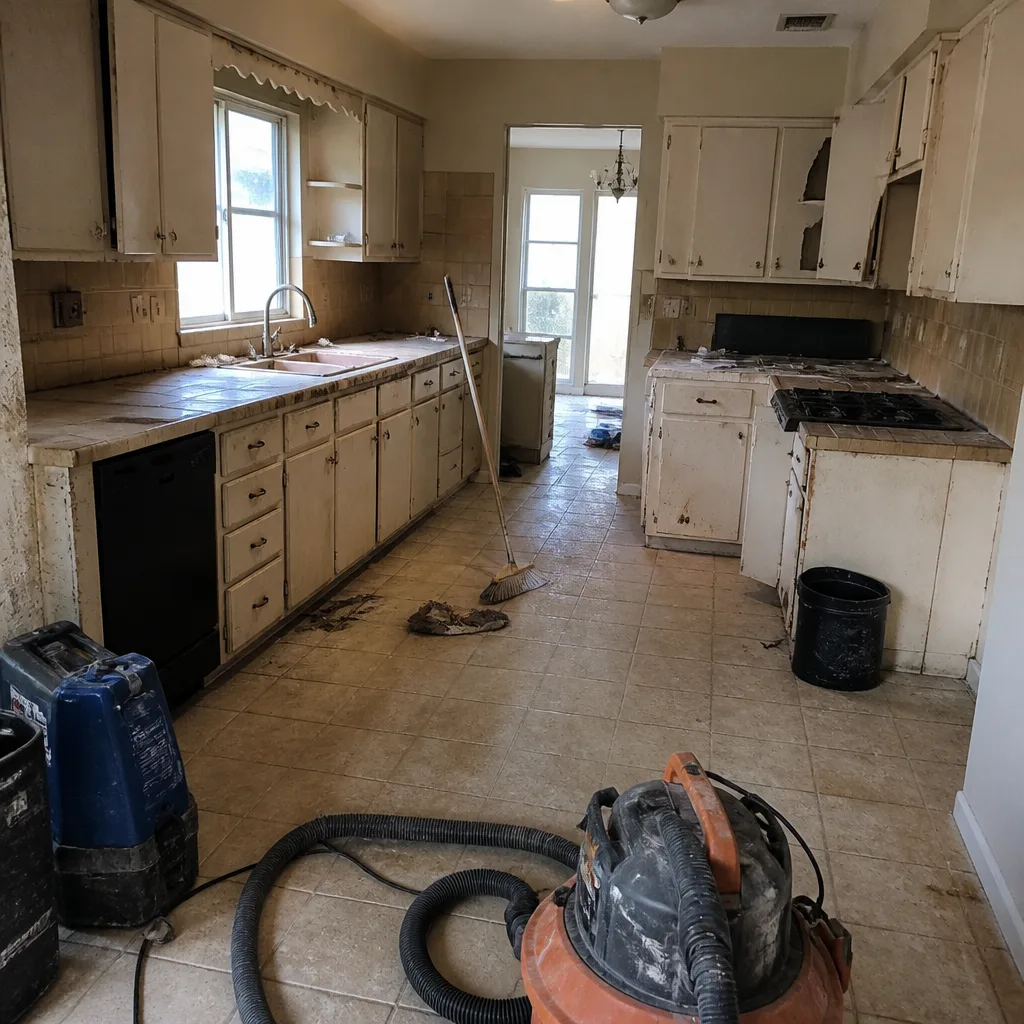 Before
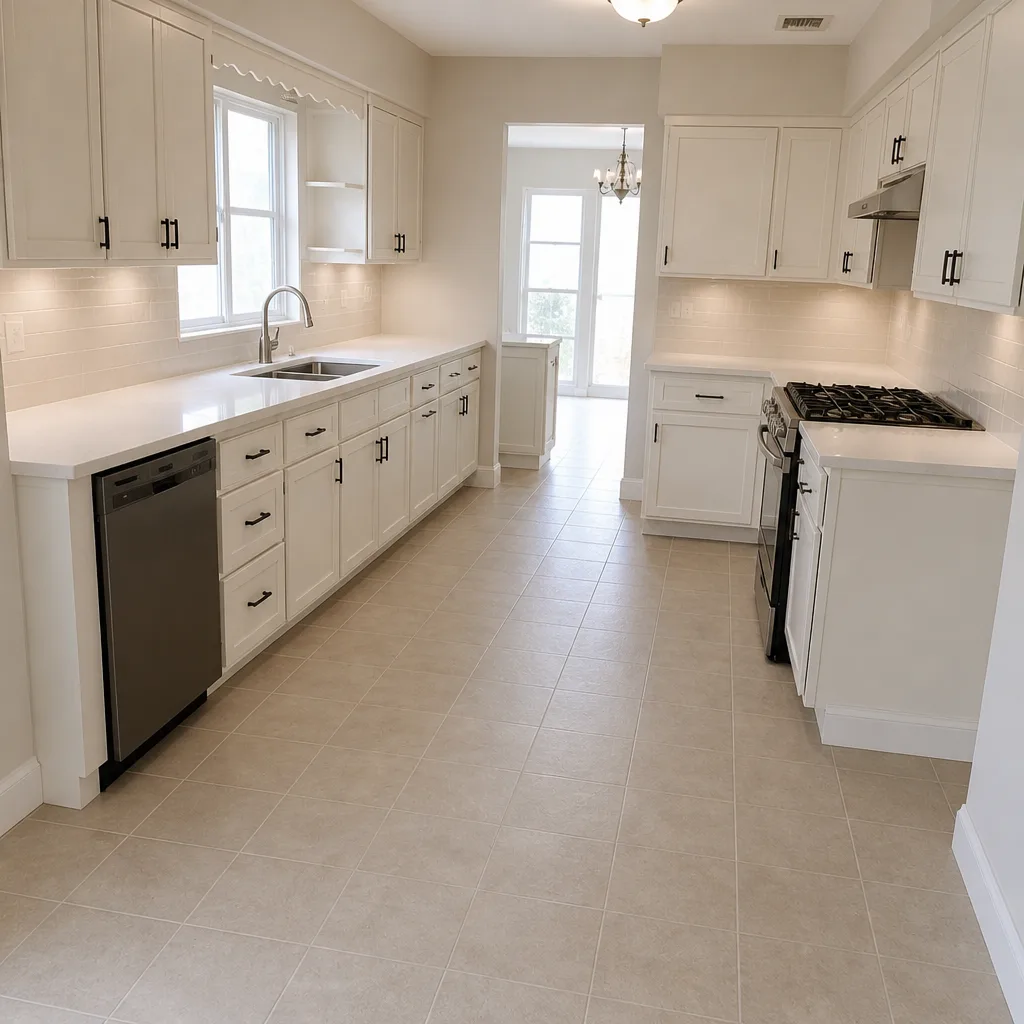 After
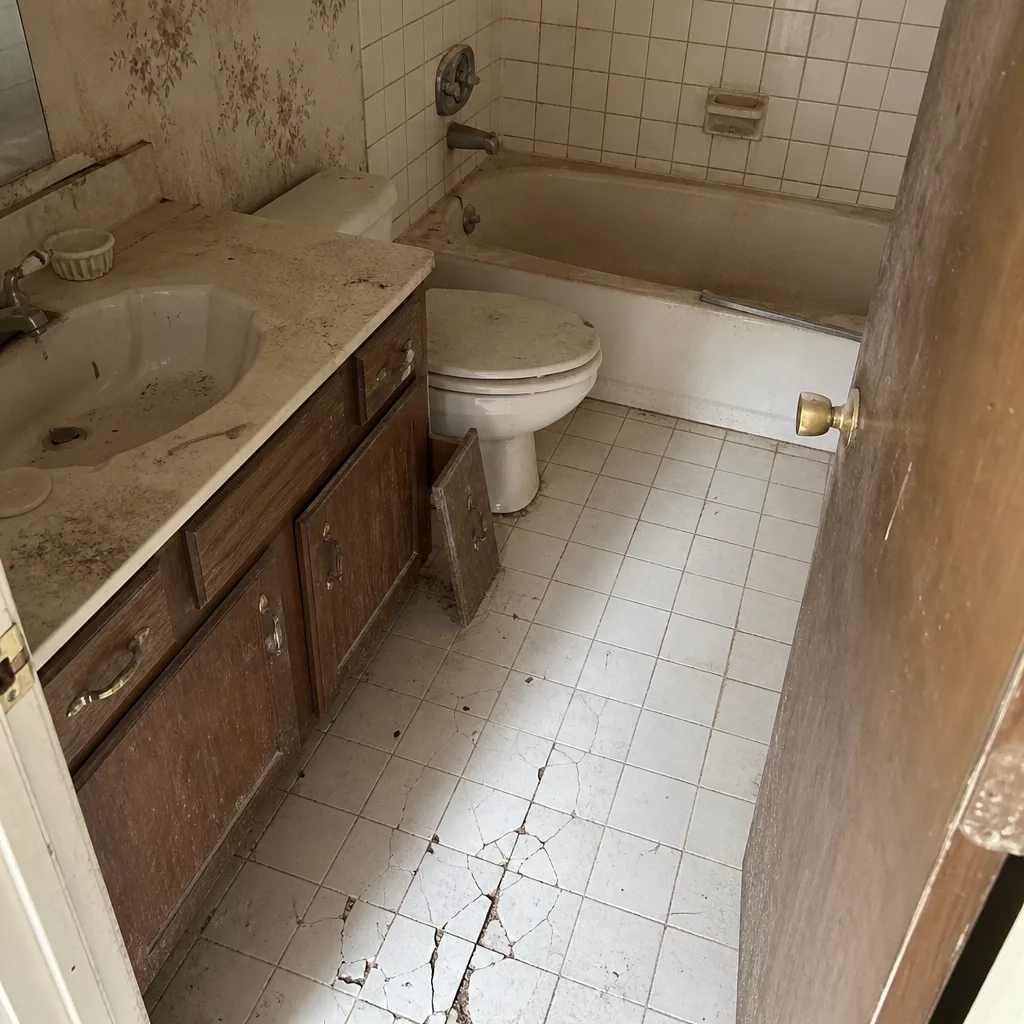 Before
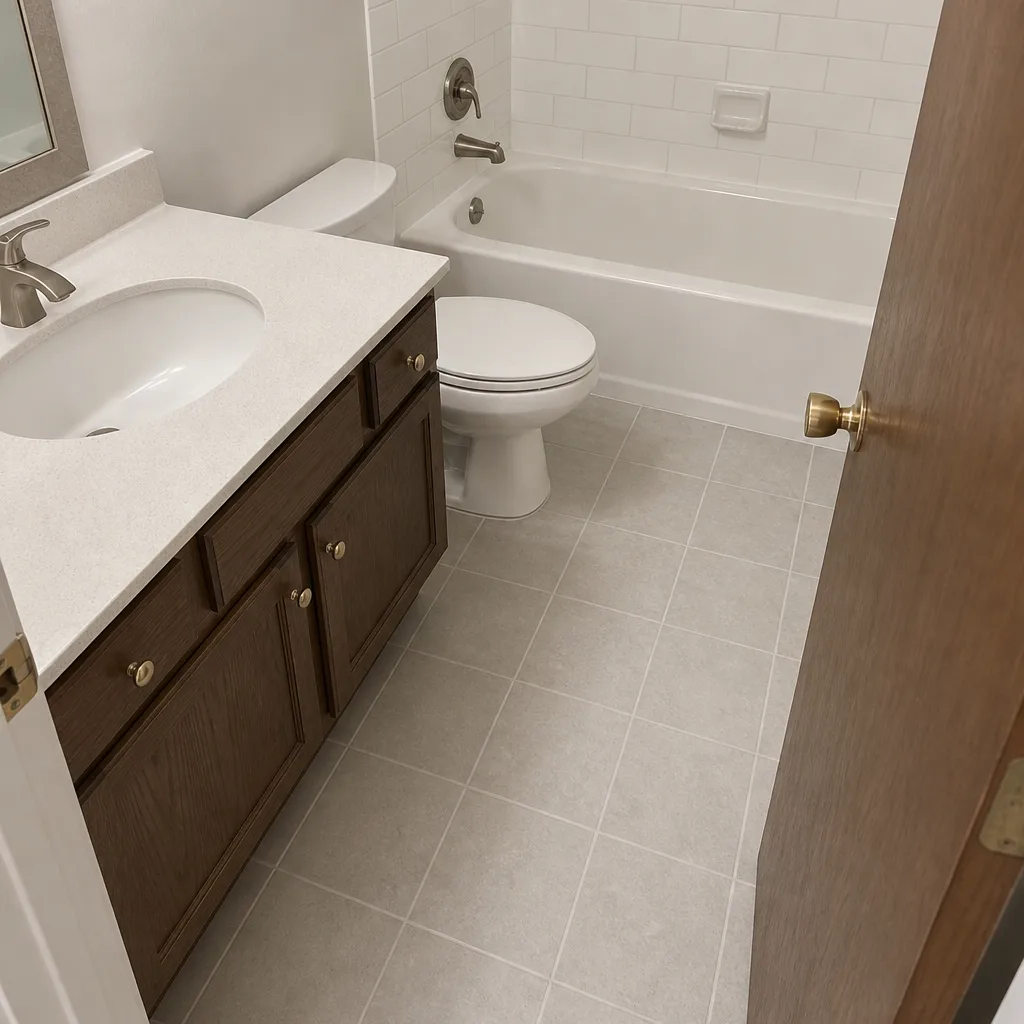 After
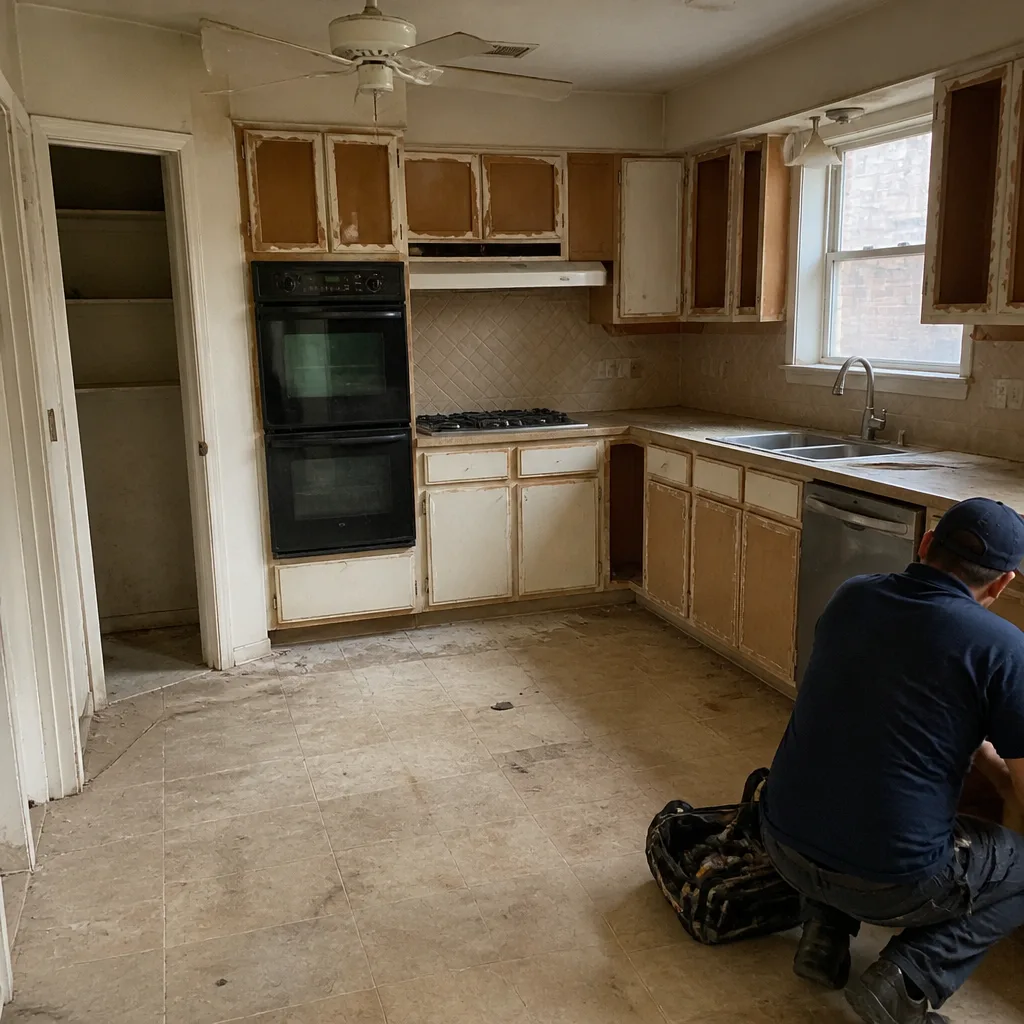 Before
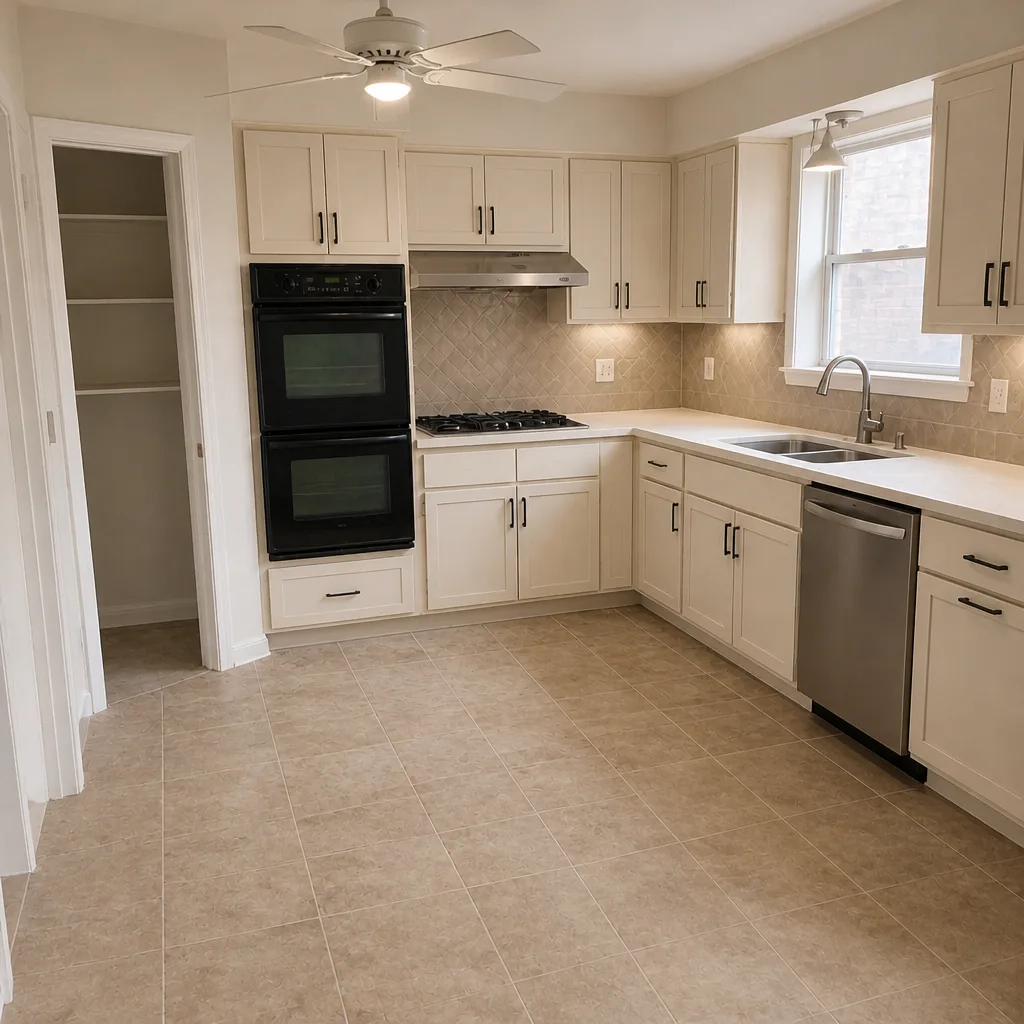 After
When to Call a Professional
Most of this schedule is a homeowner-sized job. Some of it isn’t. Call us when a window or door shows soft wood at the sill or threshold, when water is pooling inside the frame after rain, when a sliding door no longer rolls true on its track and the roller or the track itself needs replacing, or when you’re planning to replace a batch of units and want a written price before anyone touches the frames. Replacing a full run of windows or a set of exterior doors is a job where the up-front paperwork matters more than the demo speed – our quote is a flat written price with a written scope and a written warranty, no “call for a quote,” and no work proceeds on a change without a signed change order. If you have a written estimate from another contractor for window or door work, we’ll review it line by line at no charge as a free second opinion. Rowan Construction Group Plano offers free estimates in Plano – call (844) 761-8346.
Frequently Asked Questions
Every 3 to 5 years for shaded units and every 3 years or sooner for sun-facing units, because Plano’s high UV load breaks down the seal faster than in cooler climates. Test the weatherstrip annually with the paper-pull test to know when you’ve reached the end of its life. Call (844) 761-8346 for an exact quote on replacement – estimates are free.
No, not on vinyl or fiberglass tracks – the petroleum base attacks the frame material and attracts dust that grinds the track and rollers flat. Use a silicone spray on a rag instead. Call (844) 761-8346 if your track or roller is already damaged and needs replacement.
Checking is shallow surface cracking from the wood’s normal seasonal moisture cycle, while rot is soft, spongy wood that crumbles under a knife probe and signals that water has reached the door’s core. Checking can be refinished; rot needs to be repaired or the door replaced. Call (844) 761-8346 for a free inspection if you’re not sure which one you’re looking at.
Typically $150 to $400 in materials for a whole home, and we quote it as a flat written price if you’d rather not do it yourself. South and west elevations in Plano often need re-caulking every 3 years rather than 5. Call (844) 761-8346 to schedule a free estimate.
Usually grit in the track or a worn roller, and both show up faster in Plano because of the fine dust and pollen load. Clear the track monthly and have the roller replaced if it’s flat-spotted or worn through. Call (844) 761-8346 for an exact quote on roller replacement – estimates are free.
Yes – most window and door warranties require proof of reasonable maintenance, and a dated photo record with a one-line log is the proof that holds up. The documented photo record on every visit is included in our work as a standard deliverable, not an add-on. Call (844) 761-8346 to book your free estimate.
The Bottom Line
Window and door maintenance is a schedule, not a task. Monthly track and threshold checks, an annual weatherstrip test plus exterior caulk walk and hardware lubrication, and full weatherstrip and caulk replacement every 3 to 5 years keep a home’s openings sound. In Plano, the sun and heat trim that schedule by a season or more on west and south elevations, so the sun-facing units deserve a second inspection each year. The cost of the maintenance is a fraction of the cost of deferred repair – a $40 weatherstrip job versus a $200 to $500 air-sealing problem. Keep dated photos, keep a log, and the record protects you at warranty and at sale. Need a hand with the bigger jobs? Our technicians have up to 19 years of experience, and we put the price in writing before anyone picks up a tool. Learn more about our Rowan Construction Group Plano home page, or explore our Driveway & Pavers in Plano, Fence Installation in Plano, and Home Additions & ADU in Plano services for exterior projects that pair well with window and door maintenance.
Call (844) 761-8346 to schedule your free estimate. Rowan Construction Group Plano delivers a written price before any work starts, a free second opinion on any written estimate you already have, and a documented photo record on every visit – backed by the 365-Day Done Right Promise.
Written by the team at Rowan Construction Group Plano.