Last updated November 18, 2026

Free written scope consultation - allowances, timeline, and change-order rules on paper before a single trade is scheduled
DIY vs Professional Home Additions & ADU: What’s Safe to Do Yourself
Homeowners who pull their own owner-builder permits in Texas take on legal liability for the work that a licensed contractor would otherwise carry, including disclosure requirements when the house sells years later. That liability does not expire when the last coat of paint dries. The DIY-versus-hire decision on an addition isn’t one decision at all. It’s twelve to twenty separate decisions made task by task, and the financial and legal exposure of each one varies enormously. Some tasks are genuinely owner-performable in Plano and can save $2,000 – $8,000. Others trade a few thousand dollars of labor for permit failure, insurance gaps, or structural liability that costs multiples of the savings. This guide breaks the project into its actual decisions.
Quick Answer
Safe DIY tasks on a Plano addition are limited to interior painting, finish flooring in dry areas, non-load-bearing demolition, landscape restoration, and some finish carpentry, saving roughly $4,000 – $12,000 combined. Everything else, including structural framing, electrical panel work, HVAC equipment, gas lines, plumbing rough-in, and the permit process itself, belongs to licensed trades, because Texas law, your insurer, and future buyers all treat those tasks differently when a homeowner performs them.
Styles & brands we work with
- Kitchen remodeling
- Bathroom remodeling
- Home additions & ADU
- Roofing
- Windows & doors
- Driveway & pavers
- Fence
Table of Contents
- What Owner-Builder Status Actually Means in Texas
- Which Tasks Are Legally Yours to Do in Texas
- The Permit Problem: Why Unpermitted Addition Work Follows You
- How DIY Work Touches Your Homeowners Insurance
- Where DIY Genuinely Saves Money in Plano
- What Documentation to Keep If You Self-Perform
- The Hybrid Approach: Splitting Tasks Correctly
- Common Mistakes to Avoid
- When to Call a Professional
- Frequently Asked Questions
What Owner-Builder Status Actually Means in Texas
An owner-builder in Texas is a homeowner who takes out a building permit on their own property and acts as their own general contractor. Texas doesn’t license general contractors at the state level, so this is legal for a home you occupy. What it isn’t is a free pass. The moment you sign as owner-builder, the inspection responsibility, the scheduling, the code compliance, and the liability for every subcontractor’s work land on you.
Here’s the part most homeowners don’t hear until closing day. Texas property disclosure rules require you to disclose known defects and any work you performed yourself when you sell. A future buyer’s inspector will pull the permit history on the addition. If the record shows an owner-builder permit with no final inspection, that’s a material fact you must disclose, and it changes the negotiation. In Plano, where additions and ADUs increasingly bump against setback and impervious-cover limits, an unclosed permit can also surface during a survey or a code compliance check triggered by a neighbor complaint.
Owner-builder status also carries an exemption from the Texas residential construction liability rules that protect consumers from contractors. You’re not the consumer of your own labor. If a self-installed item fails, there’s no warranty to call and no contractor’s insurance to lean on. You’re both the builder and the claimant.
If you self-perform any portion, keep a file with the permit number, the approved plan set, inspection cards, product receipts with model numbers, and photos of concealed work before drywall closes. We’ve seen Plano homeowners lose $6,000 or more in resale value simply because they couldn’t prove the work behind the wall met code.
Which Tasks Are Legally Yours to Do in Texas
Texas does not restrict most construction trades to licensed professionals for single-family homes the way some states do. Roofing, framing, painting, drywall, flooring, and general carpentry carry no statewide license requirement. That’s the honest answer. But three trades are different, and a fourth is different by practical consequence.
Tasks that are legally owner-performable
- Demolition of non-load-bearing walls (verify with a structural engineer or the plan set before you swing the sledgehammer)
- Interior painting, including ceilings and trim
- Finish flooring in dry areas: hardwood, laminate, luxury vinyl plank
- Some finish carpentry: baseboards, shelving, closet systems
- Landscape restoration and grading of disturbed soil after construction
- Fence and gate replacement where it doesn’t serve as a pool barrier
Tasks that require a licensed tradesperson
- Electrical panel work, service upgrades, and new circuits. Texas requires a licensed electrician for anything beyond swapping a light fixture. Pulling a new circuit for an addition without one voids the permit.
- HVAC equipment installation. Licensed HVAC contractors must perform the equipment install and the refrigerant work. This is one of the trades where the state enforces the license at the permit counter.
- Gas lines. Gas piping requires a licensed plumber. The City of Plano inspects the pressure test.
- Plumbing rough-in and water heater replacements. Licensed plumbers only. Finish fixtures can be swapped by the homeowner, but the rough-in beneath them cannot.
- Pool barrier fencing. Plano enforces minimum height and self-closing gate requirements; unlicensed installation frequently fails inspection.
Structural framing sits in a gray zone by letter of the law but not by risk. Texas doesn’t license framers, and an addition with a beam span over the limits set in the plan set still has to pass structural inspection. An incorrectly built header will fail, and the fix usually means tearing out what you built. Fence work has its own rules too, and the materials matter: in Plano, a Master Halco or Ameristar steel panel is a straightforward install, while a Jerith aluminum panel around a pool needs a barrier-compliant gate you don’t want to improvise. That fence scope is one place where Fence Installation in Plano earns its cost.
The Permit Problem: Why Unpermitted Addition Work Follows You
Unpermitted addition work in Plano creates a title and disclosure problem that doesn’t resolve when the project finishes. It surfaces at resale, at refinance, and sometimes when a neighbor files a complaint about a structure that doesn’t match the site plan. The City of Plano can require you to either legalize the work through retroactive permitting or, in the worst case, remove it.
Retroactive permitting is possible but rarely cheap. A homeowner who built a 400-square-foot addition without permits will typically face $3,000 – $12,000 to legalize it, depending on what the inspector requires. That range covers architect’s drawings, re-inspection fees, opening walls to expose framing and wiring, and sometimes repairs to bring the work to code. A $9,000 savings on self-performed framing can evaporate twice over during retroactive permitting.
- Before you demo or pour: confirm the addition’s footprint against current Plano zoning, impervious-cover limits, and setback lines. A plan that meets setback today still needs to be checked, especially in older sections like the lots off Legacy Drive.
- Pull the permit before any work starts. An owner-builder permit is legal. Work without a permit isn’t.
- Match the schedule to the inspection sequence: foundation, framing, rough trades, insulation, final. Skipping a stage is the most common cause of retroactive problems.
- Get the final inspection card and keep it. An open permit is a visible flag when a buyer’s agent pulls records.
A structural addition is one trade where the permit story is the whole story. Under Clause 1 of the Haven Standard, Rowan Construction Group pulls the permit, holds the inspection sequence, and delivers the final card as part of the job, which is why Home Additions & ADU in Plano is quoted as a permitted, inspected scope rather than a labor line.
How DIY Work Touches Your Homeowners Insurance
A standard Texas homeowners policy covers accidental damage to the dwelling, but the coverage usually excludes damage resulting from faulty workmanship. If your self-installed addition roof leaks and the ceiling below is damaged, the insurer may cover the interior water damage and deny the roof, because the roof itself was the defective work. That’s what “faulty workmanship” exclusions look like in practice, and it applies whether or not a permit was pulled.
Unpermitted construction raises the stakes. Many carriers will deny a claim entirely if the damage originates from unpermitted, non-code work. Some will void the policy at renewal when an inspection reveals an unpermitted structure. And if a contractor is working on your property and someone gets hurt, your liability exposure depends on whether that contractor carries workers’ compensation and general liability insurance. A licensed contractor carries these. A neighbor’s weekend helper usually doesn’t.
The practical rule for a Plano addition: before any sub sets foot on the property, confirm their certificate of insurance and list your address. When Rowan’s crews work, they arrive uniformed and background-checked, and the documented photo record from each visit is the evidence trail your insurer will ask for if a claim ever comes up.
Where DIY Genuinely Saves Money in Plano
Here’s where the math works. The savings on the tasks below are real, they carry no structural or permit risk, and they scale with how much time you have. A homeowner willing to paint the interior of a 400-square-foot addition, install the flooring, and restore the landscape after the crews leave can save meaningfully without touching anything that feeds the permit file.
- Interior painting ($1,500 – $4,000 saved). A full interior repaint of a modest addition runs $3,000 – $6,000 for a professional crew. Doing it yourself removes the labor and keeps the material cost. Plano’s dry summers and humid Gulf air mean you should prime properly and use a mildew-resistant finish in any space near a bathroom.
- Finish flooring in dry areas ($1,000 – $3,000 saved). Luxury vinyl plank or engineered hardwood go down over a confirmed flat subfloor. Wet areas, tile showers, and slab moisture are a separate decision.
- Landscape restoration ($800 – $2,000 saved). Re-seeding, re-sodding, and replacing shrubs after construction disrupts the yard is manageable, provided the grading drains away from the structure. That last point matters in Plano, where heavy spring rain on a slab addition with poor grading will find a path inside.
- Finish carpentry and shelving ($600 – $1,800 saved). Baseboards, closet systems, and trim on an already-finished shell.
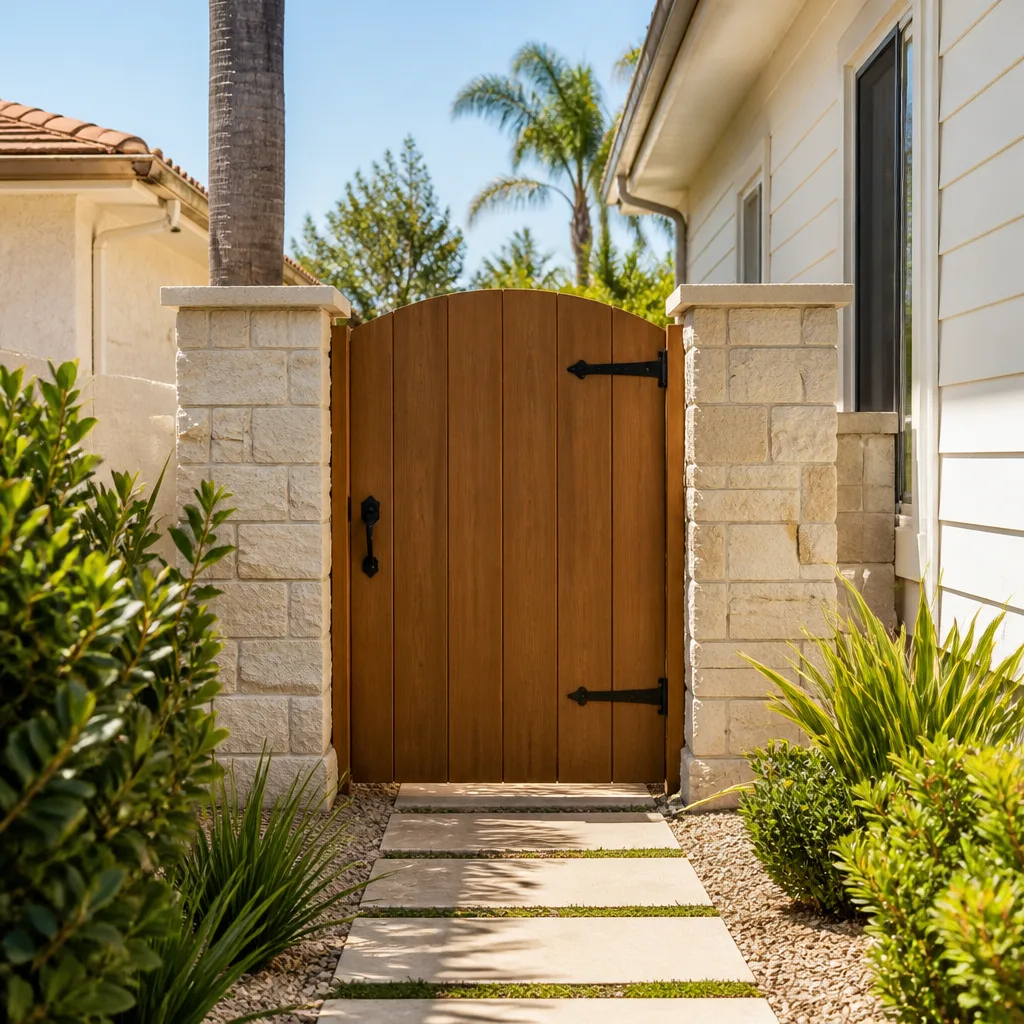
- Fence replacement where it’s not a pool barrier ($400 – $1,200 saved). Fence panels of Master Halco or Bufftech are installable by a confident homeowner. A fence serving as a pool barrier is not.
The savings bucket outside these lines shrinks quickly. The countertops, windows, and doors that carry the visual cost of an addition are usually better bought installed, because the manufacturer’s warranty often hinges on certified installation. A Cambria quartz countertop installed by a homeowner and later failing isn’t going to get a sympathetic answer from the fabricator.
What Documentation to Keep If You Self-Perform
If you take on the painting, flooring, and landscape work yourself, treat the file as carefully as a pro would. A buyer’s inspector, a future refinance, and an insurance claim all start with the same evidence.
- The permit number and the approved plan set. Keep the stamped set, not the working copy.
- The final inspection card. A signed-off permit is what keeps the addition from surfacing as a surprise at resale.
- Receipts with product model numbers. Paint brand and color, flooring product and batch, and the adhesive used to install it.
- Photos of concealed work taken before drywall closed. Framing, electrical, plumbing, and insulation, photographed with a tape measure in the frame for scale.
- Certificates of insurance from every licensed subcontractor. Even if you act as owner-builder, the electrician, plumber, and HVAC contractor you hired should have provided proof of insurance.
We hand every customer a documented photo record from each visit, not because the client asked, but because that file is what answers the questions three years later. The same discipline is worth adopting if you self-perform even a small slice.
The Hybrid Approach: Splitting Tasks Correctly
The most common arrangement for a Plano addition is a hybrid: a licensed general contractor handles the structure, permits, and trades, and the homeowner handles the finish work. It’s a reasonable split when the general contractor’s written scope clearly carves out the homeowner’s tasks. It’s a disaster when the scope is verbal.
What goes wrong is timing. If the general contractor’s crew is waiting on the homeowner to finish painting before the final inspection, the schedule slips, and someone loses money. That’s why Clause 1 has an answer. The Haven Standard requires a written scope and a flat written price before any work starts, and the homeowner’s own tasks are listed on that scope with dates attached, so nobody’s waiting on anyone.
If you plan to self-perform any portion of the project, tell the contractor at the estimate stage. Don’t spring it on the crew at the framing inspection. And if you’ve already got a written estimate from another contractor and want a second read on the scope split, we’ll review it line by line for free. That’s the whole idea behind our free second-opinion offer, no change order, no commitment.
Common Mistakes to Avoid
- Pulling an owner-builder permit and then treating it like it disappears. The permit stays in public records. Unclosed or unpermitted work must be disclosed at resale and can trigger a code compliance case down the line in Plano.
- Removing a “non-load-bearing” wall without confirming it with a structural engineer. A wall that looks cosmetic from the living room may carry an addition’s roof load. In a Plano ranch that was reworked twice in twenty years, only the engineer knows for sure.
- Assuming the insurance will cover the water damage on a roof you installed yourself. The interior damage may be covered, but the faulty workmanship itself usually isn’t, and you have no contractor to lean on.
- Installing a pool fence to a spec that doesn’t match Plano’s barrier rules. Height, self-closing hinges, and gate hardware all matter. A fence that fails inspection is a fence you pay to build twice.
- Saving money on framing to find out the header span failed structural inspection. The fix usually means tearing out the finished wall.
- Letting the general contractor’s scope overlap with your own DIY tasks. Two people painting the same wall is a cost dispute, not a collaboration.
- Choosing the cheapest bid without checking what’s excluded. A low bid with no written scope means any change is a surprise. Ask every contractor to put the price in writing before work starts.
When to Call a Professional
Call a professional the moment a task touches structure, the electrical panel, gas piping, the HVAC equipment, plumbing rough-in, or the permit file. Call one earlier than you think if the project needs a plan set or a structural engineer, since both sit upstream of every bid. And call one if the addition needs to be financed, because lenders require a permitted, inspected structure for the appraisal to hold. Rowan Construction Group Plano offers free estimates in Plano, and every written scope lands with a flat price before anyone picks up a hammer. Free second opinions on any written estimate you’ve already received. Call (844) 761-8346 to schedule yours.
Frequently Asked Questions
Yes, a homeowner can act as an owner-builder on an ADU in Plano, provided the structure meets zoning, setback, impervious-cover, and building permit requirements. The ADU must be permitted as a separate structure or accessory dwelling unit, inspected through the full sequence, and issued a final inspection card. Unpermitted ADU construction can be required to be reconfigured or removed, and it must be disclosed at resale.
Retroactive permitting for an unpermitted addition in Plano typically runs $3,000 – $12,000, depending on scope. The cost covers architect’s drawings, re-inspection fees, opening walls to expose framing and wiring, and code corrections. Call (844) 761-8346 for a free estimate on legalizing or completing the work properly instead.
Usually not. Standard Texas homeowners policies exclude damage caused by faulty workmanship, and many will deny claims originating from unpermitted, non-code construction. Some carriers will void the policy at renewal when an inspection reveals unpermitted structures. Confirm with your carrier before any self-performed work begins.
Interior painting ($1,500 – $4,000 saved), finish flooring in dry areas ($1,000 – $3,000 saved), and landscape restoration ($800 – $2,000 saved) are the biggest savings with no permit or structural risk. Those three combined typically save a homeowner $3,300 – $9,000 on a Plano addition. Call (844) 761-8346 for a free estimate on the licensed portion.
Yes. Texas requires a licensed electrician for new circuits, panel work, and service upgrades. Swapping a light fixture is not the same as running a new circuit from the panel; the latter voids a permit when performed by a homeowner. The City of Plano inspects the electrical rough-in and the final.
Yes. Rowan Construction Group quotes the full scope as a flat written price with a written inspection trail, and will carve out homeowner tasks on the written scope with dates attached. The scope is documented before work begins, and no change proceeds without a signed change order. Call (844) 761-8346 to schedule a free estimate.
The Bottom Line

The DIY-versus-hire decision is not one choice. It’s a long series of smaller ones, and the safe split in Plano is clear: paint, finish flooring, landscape restoration, and some finish carpentry can save you $4,000 – $12,000 with no legal or structural exposure. Structure, the panel, gas, HVAC, plumbing rough-in, and the permit file belong to licensed trades, because owner-builder status carries liability that doesn’t expire when the project finishes and a retroactive permitting bill that runs $3,000 – $12,000. Keep documentation for anything you self-perform, and get the price in writing before anyone starts. If you’ve got a written estimate and want a second read, Rowan Construction Group Plano home will review it for free.
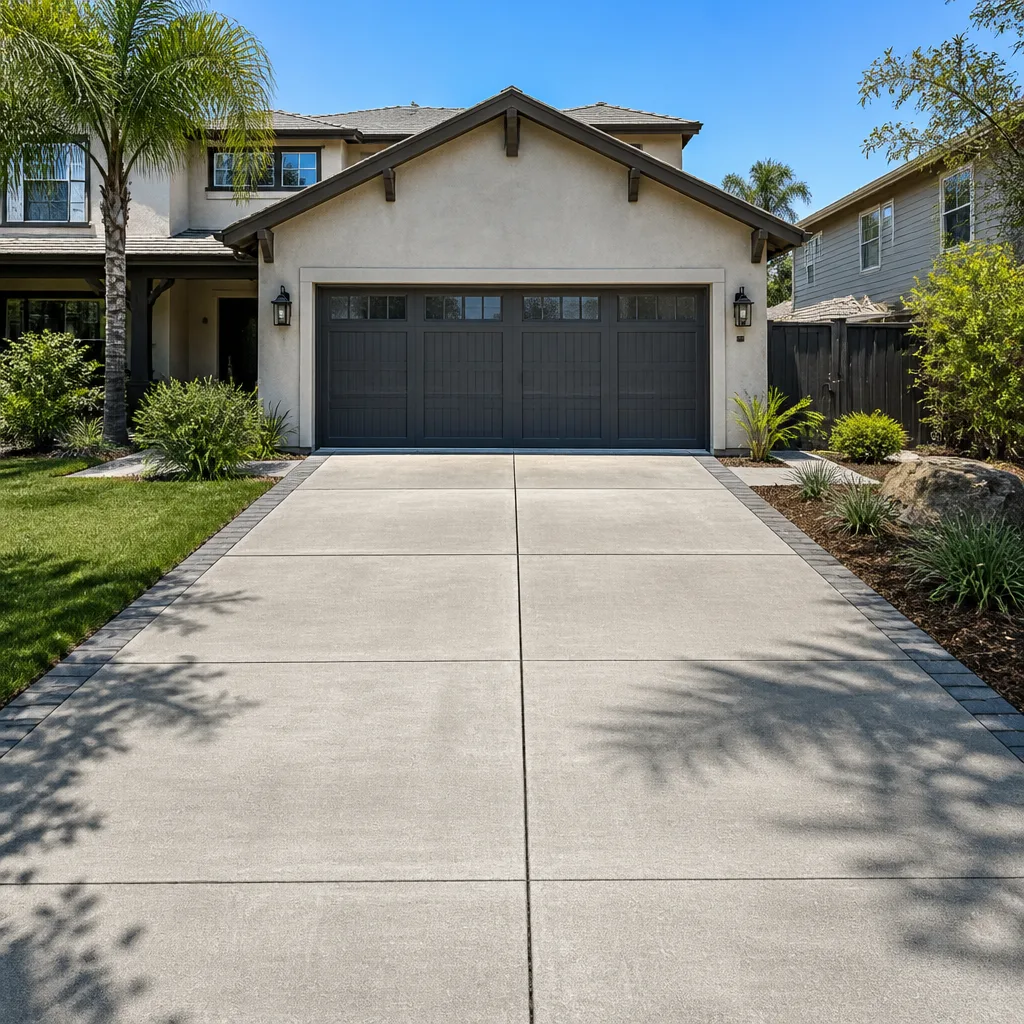
For the driveway and outdoor hardscape side of a larger addition, we cover that scope in Driveway & Pavers in Plano.
Call (844) 761-8346 to schedule your free estimate with Rowan Construction Group Plano. Every project starts with a flat written price, a written scope, and a written warranty. No work proceeds without a signed change order, and the 365-Day Done Right Promise stands behind every finished job.
Written by the team at Rowan Construction Group Plano.
See the difference
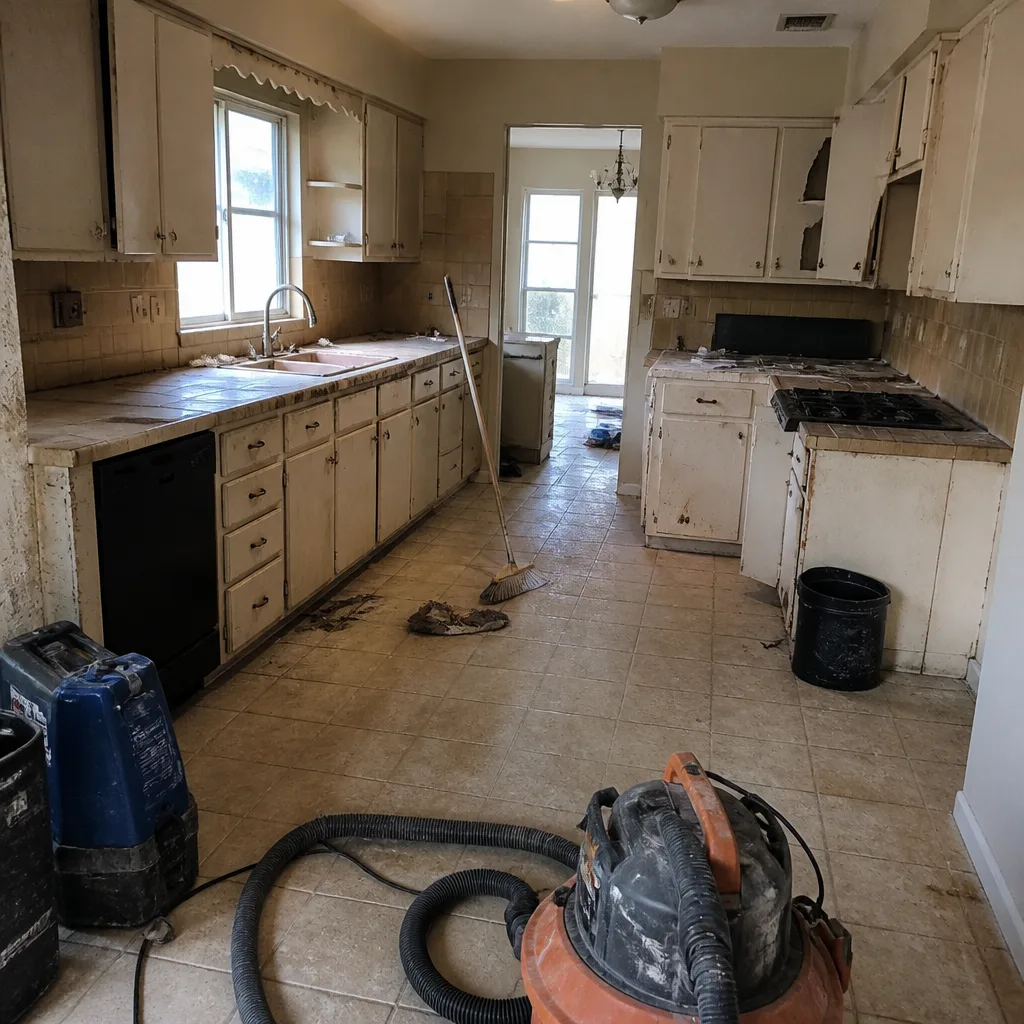 Before
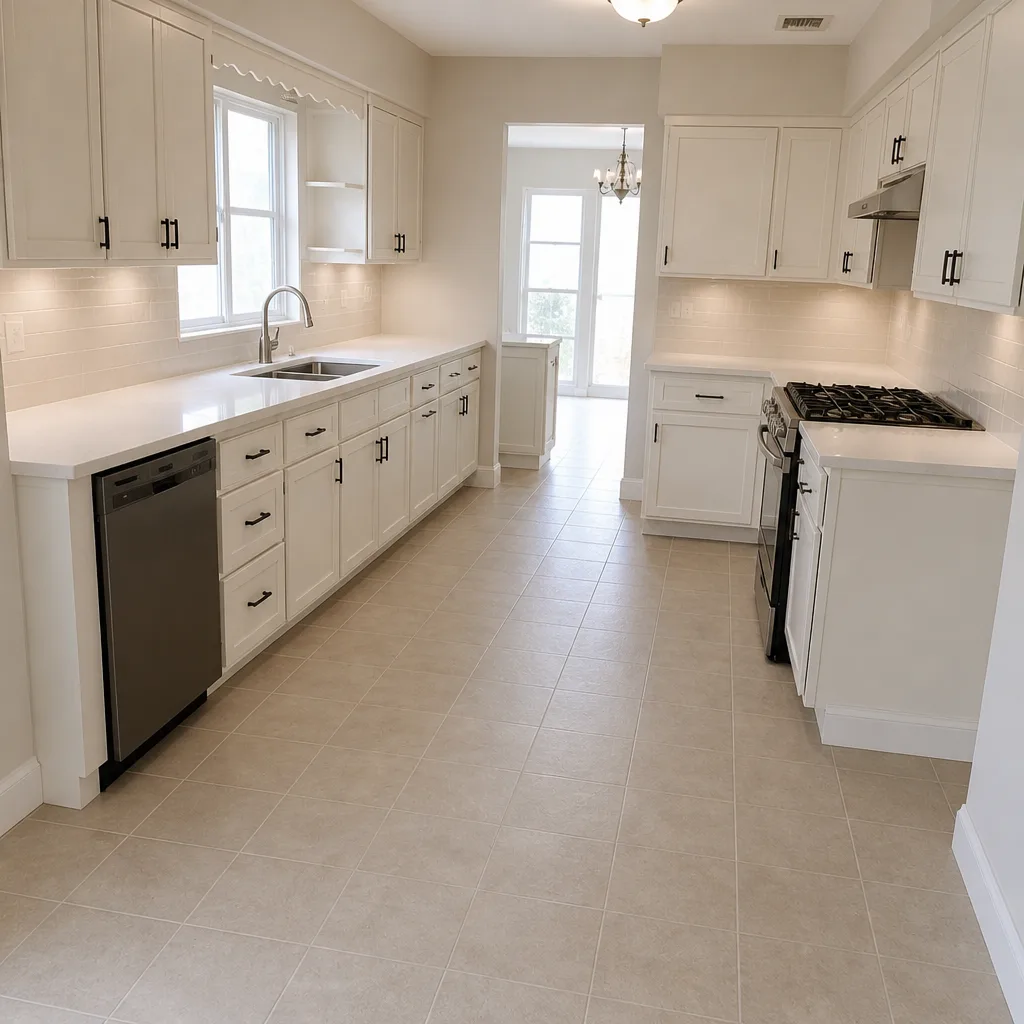 After
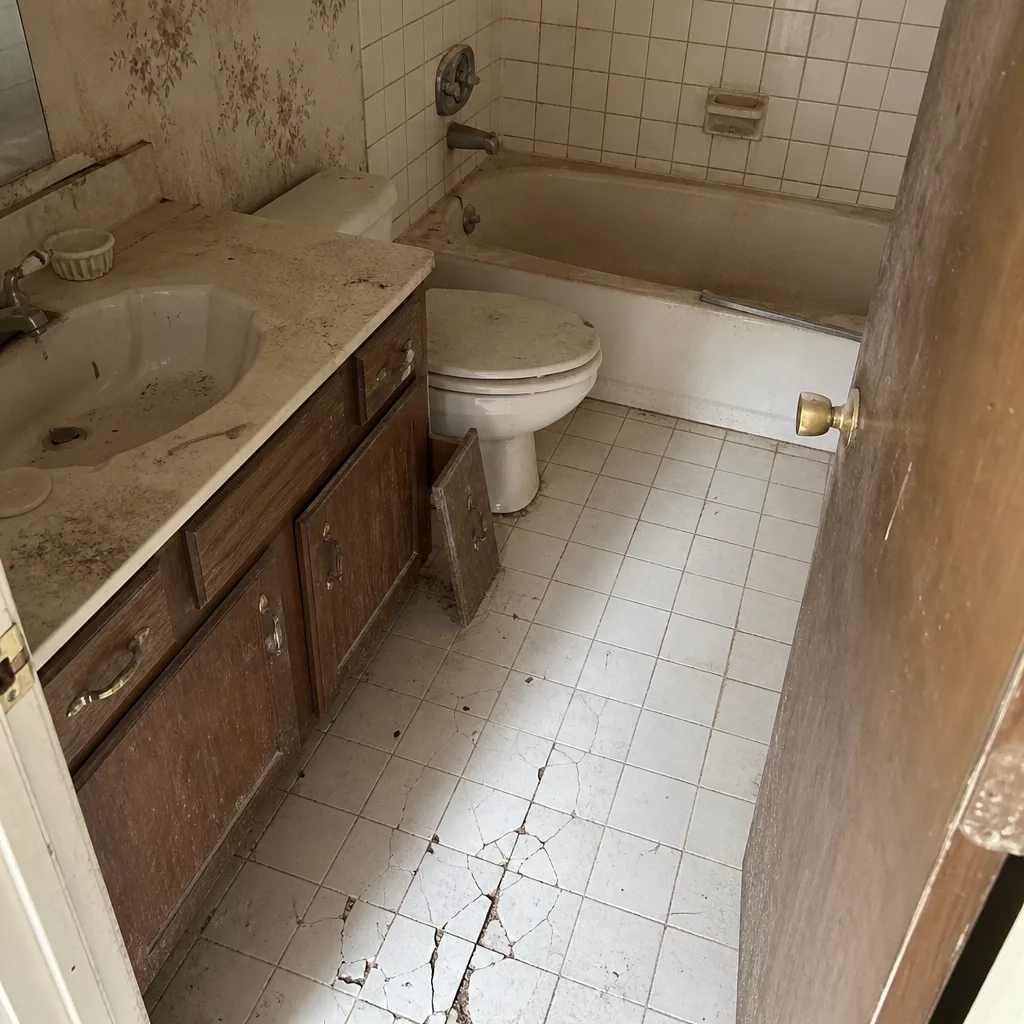 Before
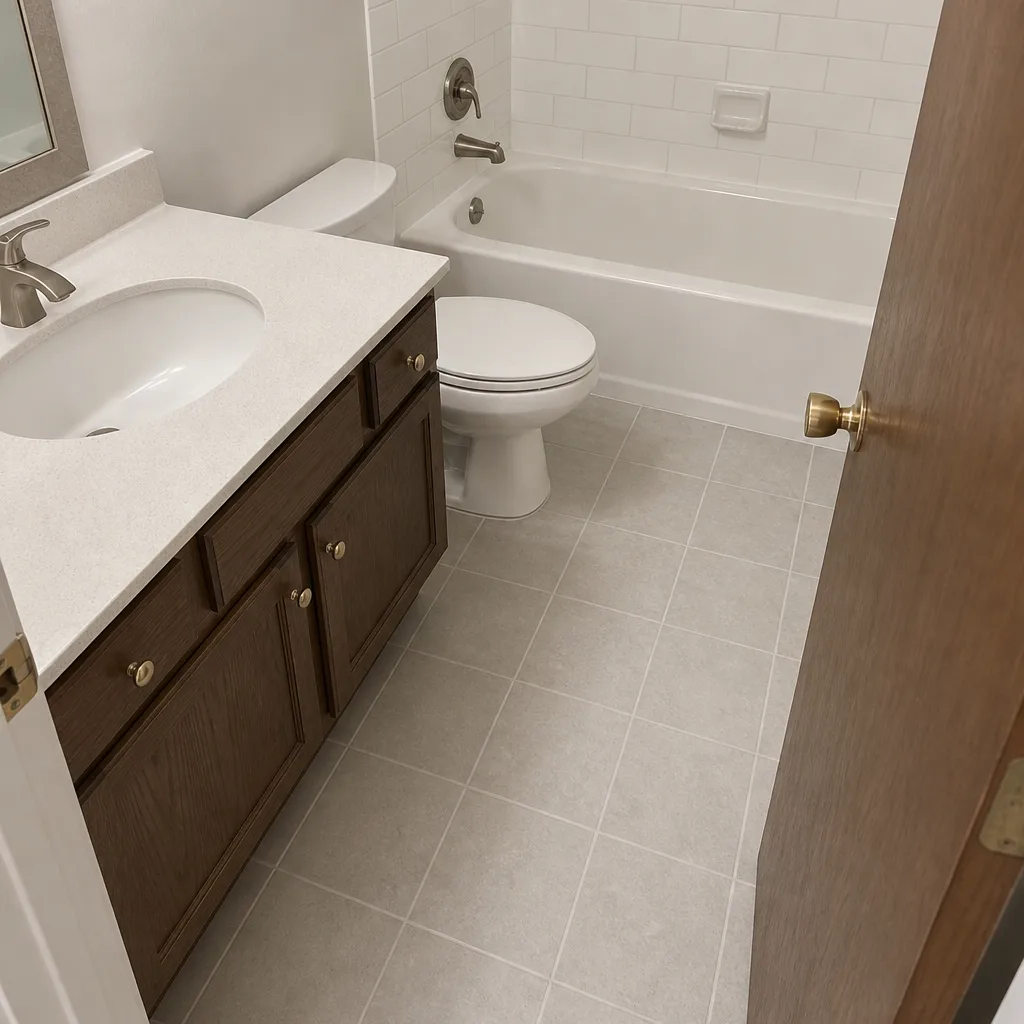 After
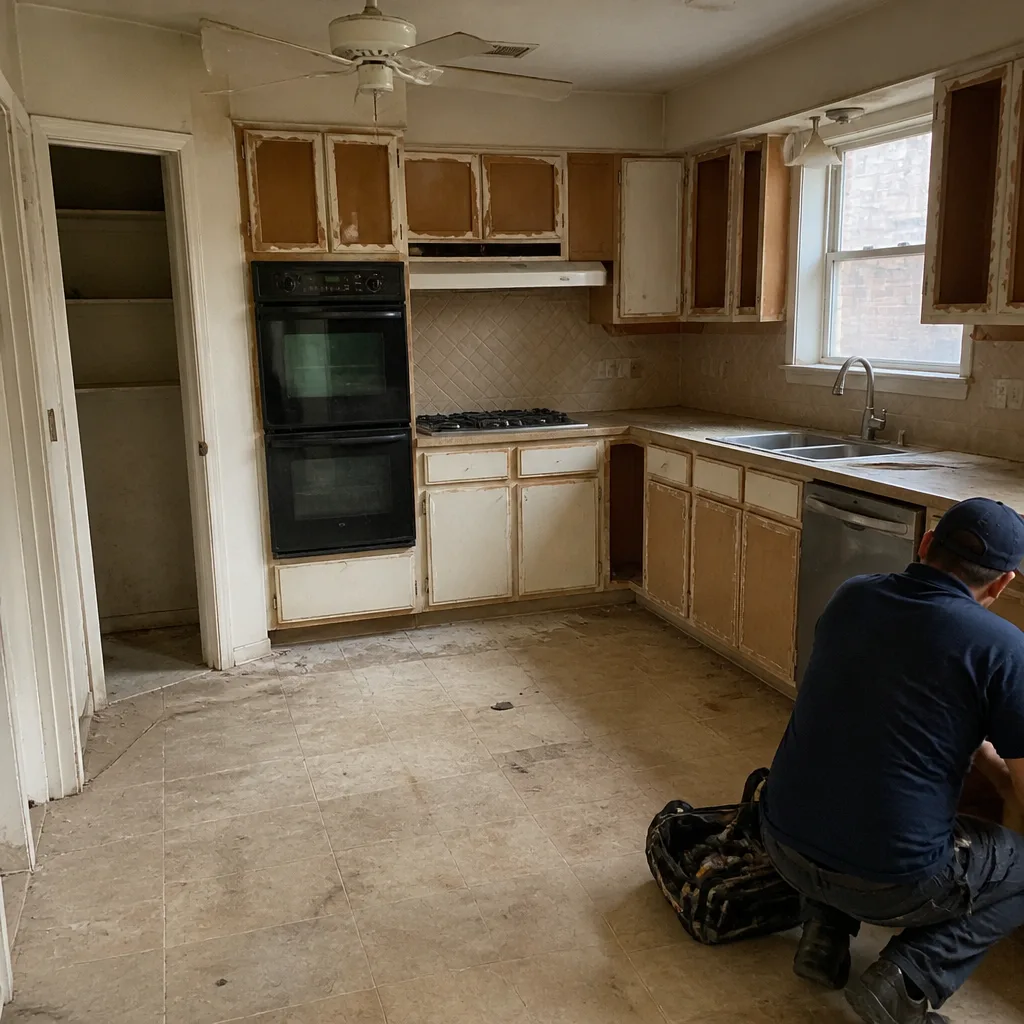 Before
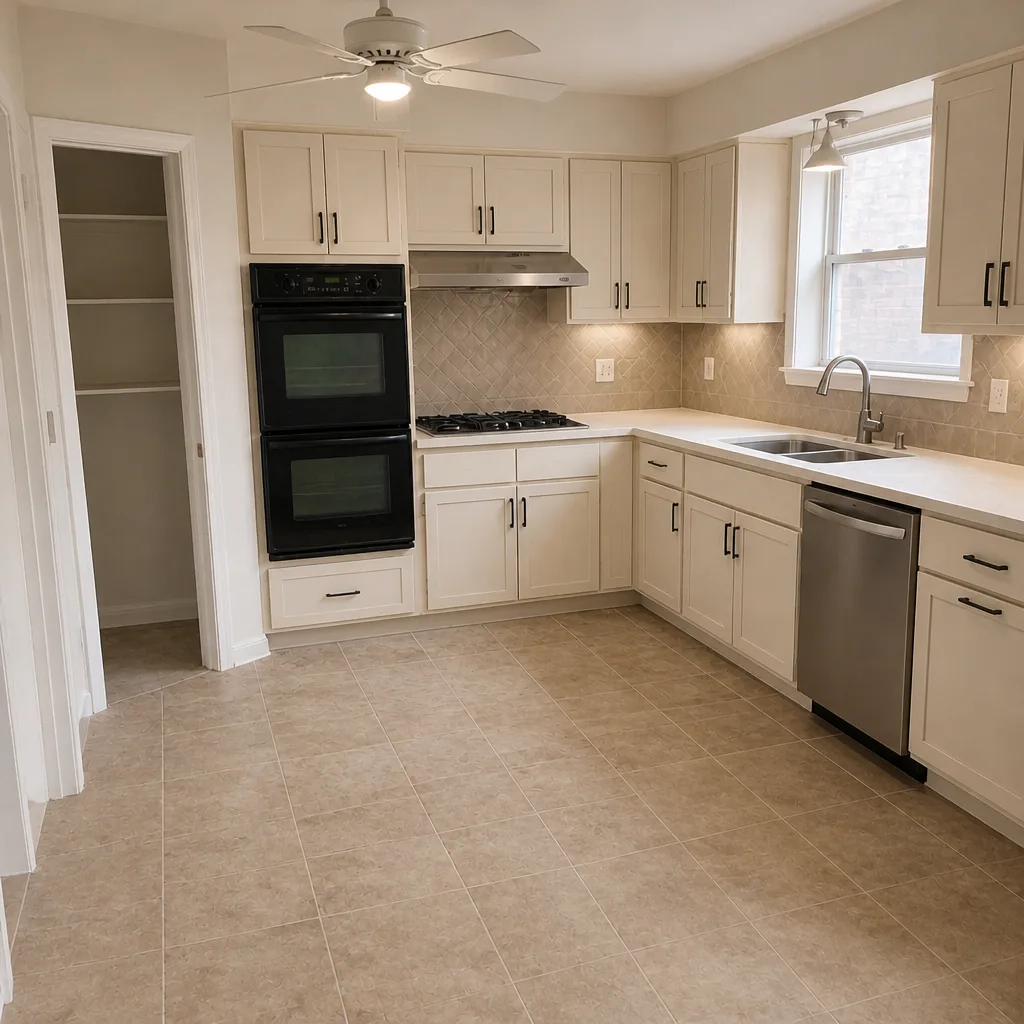 After